If you already understand the basics of sunlight, watering, and healthy soil, the real secret to growing amazing tomatoes lies in the small techniques most gardeners overlook. These expert tomato growing tips can dramatically improve flavor, increase yields, and keep your plants healthier all season long.
Expert Tomato Growing Tips for Bigger, Better Harvests
Whether you're growing tomatoes in raised beds, containers, or a backyard garden, these advanced techniques can help you produce sweeter, juicier, and more productive plants.
Planting Techniques
- Plant Tomatoes Deep for Stronger Roots
Making your plant shorter at the outset might seem counter-intuitive, but there's a very good reason. Tomatoes develop roots all along buried stems, called "adventitious roots," creating a larger root system that supports stronger growth, better nutrient uptake, and higher yields. Plus, deeper roots won't dry out as quickly, either.
This goes for containers, too, so look for taller planters that will allow you to take advantage of this growing feature. For best results, use a minimum 5 gallon pot for bush (determinate) types and a minimum 10 gallon pot for vining (indeterminate) types.
If you can't dig deep enough, you can also plant them sideways, laying most of the stem in a trench. This is still an improvement to "normal" planting as the root volume will be increased, but it leaves roots shallower so they may need watering more often than when planted deeply.
- Bury Banana Peels for Slow-Release Potassium
- Instead of placing banana peels on the soil surface, chop and bury them deep in the planting hole. They slowly release potassium, which supports flowering and fruit production.
- Mulch for Healthier Tomato Plants
Mulch does far more than suppress weeds. Benefits include:
- Reduced disease splash
- Better moisture retention
- Stable soil temperatures
- Improved fruit quality
You may use:
- Straw (not hay, which may quickly mold and contains weed seeds)
- Shredded leaves
- Newspaper layers
- Red or reflective mulch as described below
Apply mulch only after soil has warmed to about 60 degrees; otherwise, soil will simply stay cold longer.
- Use Reflective Mulch, Aluminum Foil, or Red Plastic Sheeting
Reflective materials beneath tomato plants can:
- Warm soil early in the season
- Deter aphids, whiteflies, and thrips - the glare is disorienting
- Hasten ripening of fruit
- Increase light exposure to lower leaves
- Improve overall plant vigor
This commercial growing technique works surprisingly well in home gardens too. Best to remove in summer to prevent excessive heat build-up in warmer climates.
- Red plastic sheeting under tomato plants has been shown to increase yields by as much as 20%. See this study from the USDA.

Below: Remove leaves from the bottom of tomato plants and plant with only the top few leaves above the soil. Photo courtesy Katya Ershova on PIxabay

Watering and Nutrition
- Slightly Stress Plants for Better-Tasting Tomatoes
Overwatered and heavily fertilized tomato plants often produce bland fruit.
For richer flavor:
- Reduce watering slightly once fruit starts ripening
- Avoid high-nitrogen fertilizers late in the season
- Mild stress helps concentrate sugars and intensify tomato flavor naturally.
- Prevent Blossom End Rot the Right Way
Blossom end rot is usually caused by inconsistent watering, not just calcium deficiency.
For prevention:
- Add finely ground eggshells or gypsum at planting
- Maintain consistent soil moisture
- Avoid cycles of drought and overwatering
- Steady water uptake is more important than simply adding calcium.
- Use Epsom Salt Carefully
Epsom salt can help magnesium-deficient plants, but it’s commonly overused. Only apply it if you notice yellowing between leaf veins, and use diluted foliar sprays rather than heavy soil applications.
Pruning
- Remove Lower Leaves Early
Once tomato plants reach 12–18 inches tall, prune the bottom 6–10 inches of leaves.
Benefits include:
- Better airflow
- Reduced risk of blight and fungal diseases
- Less soil splash during watering
- Improved upward growth
This simple tomato pruning technique is one of the easiest ways to keep plants healthy.
- Use the “Sacrificial Sucker” Method
Most gardeners remove every sucker, but allowing one strong sucker to grow below the first flower cluster can boost production. Train it as a second stem to increase yield without overcrowding the plant.
- Try Mid-Season Root Pruning
Advanced gardeners sometimes prune roots to encourage larger fruit.
- Insert a shovel 8–10 inches from the stem
- Cut a partial circle around the plant
This mild stress redirects energy from foliage growth into fruit development.
- Top Plants Before First Frost
About 4–6 weeks before your first expected frost, cut off growing tips at the top of the plant. This redirects energy into ripening existing tomatoes instead of producing new flowers that won’t mature in time.
Pollination and Fruit Production
- Shake Tomato Plants to Improve Pollination
Tomatoes are self-pollinating, but pollen still needs movement.
During flowering:
- Gently shake plants midday
- Tap flower clusters lightly
This is especially useful in humid or windless conditions and can significantly improve fruit set.
- Harvest Tomatoes at the Breaker Stage
Pick tomatoes when they first begin changing color rather than waiting for full ripeness on the vine.
Benefits include:
- Reduced cracking
- Less pest damage
- Safer indoor ripening
- Excellent flavor retention
- Watch Night Temperatures
Tomato plants struggle to set fruit when nighttime temperatures stay above 75°F.
In hot climates:
- Choose heat-tolerant tomato varieties
- Provide afternoon shade
- Mulch heavily to cool roots
Temperature management is critical for summer tomato production.
Disease Prevention
- Rotate Crops Every Year
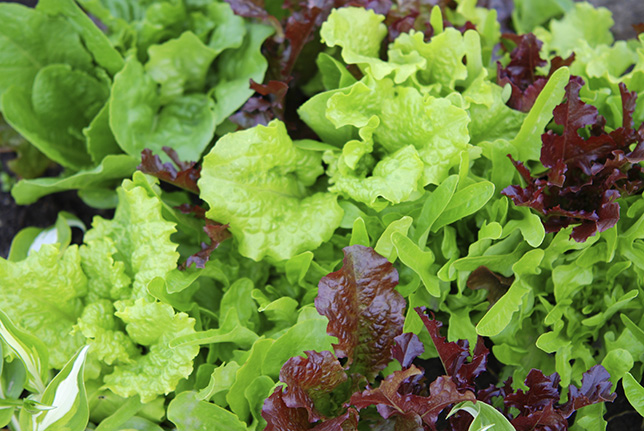
Even in small gardens, crop rotation matters. Avoid planting tomatoes or other nightshade family members (eggplant, peppers, potatoes) in the same location every season -- wait three years before replanting in the same spot. Instead, rotate with crops like beans, lettuce, or herbs. This reduces soil-borne diseases and pest buildup.
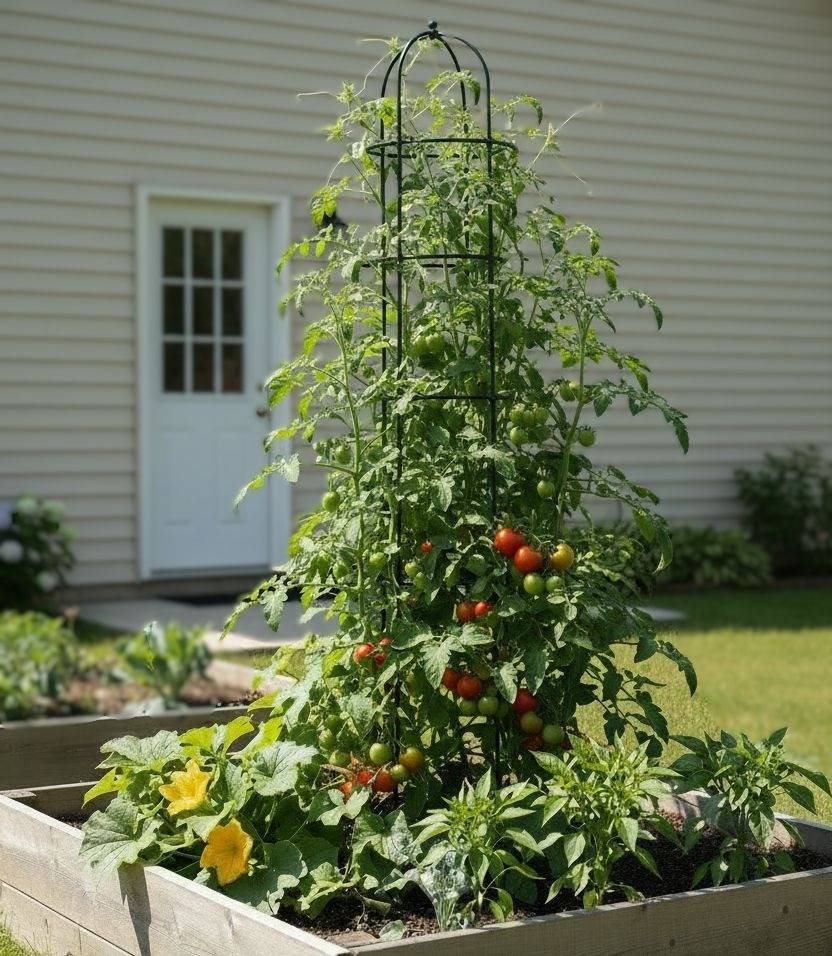
- Train Tomatoes for Airflow
Good airflow is one of the best natural disease prevention methods.
When staking or trellising:
- Space stems carefully
- Avoid dense foliage walls
- Prune overcrowded growth
Better airflow means healthier plants and cleaner fruit.
Final Thoughts
Growing incredible tomatoes isn’t just about fertilizer and watering. The best gardeners focus on controlling plant growth, environmental conditions, airflow, and stress levels throughout the season.
By mastering these lesser-known tomato growing techniques, you can enjoy:
- Bigger harvests
- Sweeter tomatoes
- Healthier, more vigorous plants
- Fewer diseases
- Better overall fruit quality
Small adjustments often create the biggest improvements in your tomato garden.
You may also like