Container gardening has become one of the fastest-growing trends in home gardening—and for good reason. Whether you have a small balcony, patio, rooftop, or limited yard space, container gardens make it possible to grow vibrant flowers, lush tropical plants, and even fresh vegetables almost anywhere.
One of the biggest innovations driving this trend? Self-watering planters.
Self-Watering Planters for Container Gardening: The Ultimate Guide to Effortless Growing
These cleverly designed containers eliminate the guesswork of watering, promote healthier plants, and reduce maintenance—making them ideal for beginners and experienced gardeners alike.
Why Container Gardening Is More Popular Than Ever
Modern gardeners are embracing container gardening because it offers:
- Flexible placement for small or urban spaces
- Better control over soil quality
- Improved drainage compared to in-ground beds
- Enhanced curb appeal and outdoor décor
- Easy access for growing fruits and vegetables
Today, decorative containers are just as important to outdoor design as birdbaths or garden statuary. For urban gardeners especially, they are essential for growing fresh, home-grown produce in compact areas.
The Biggest Challenge: How Often Should You Water Container Plants?
Watering is the most common struggle in container gardening. Unlike in-ground plants, containers dry out quickly and require consistent moisture.
Several factors affect watering frequency:
- Container material – Unglazed terracotta dries faster than ceramic or plastic.
- Pot size – Smaller pots dry out faster than large containers.
- Sun and wind exposure – Sunny or windy locations increase evaporation.
- Plant maturity and density – Fuller containers require more frequent watering.
- Seasonal growth – As roots fill the pot, less soil remains to retain moisture.
Using a high-quality potting mix with perlite or vermiculite improves drainage and water retention. However, if the "soil-less" mix becomes too dry, it can repel water and require soaking or multiple waterings to rehydrate.
This is where self-watering containers provide a major advantage.

Below: Sub-irrigation units, like our Riverside units shown below, can be used in almost any planter to reduce watering chores. Consistent soil moisture can aid in preventing cultural issues like calcium end rot of tomatoes.

What Are Self-Watering Planters?
- Benefits of Self-Watering Planters
- Less Frequent Watering
Water reservoirs may only require refilling twice a week or less, depending on reservoir and container size, plant type and weather.
- Healthier Root Systems
Sub-irrigation encourages deeper root growth compared to shallow roots formed by overhead watering.
- Reduced Water Waste
Watering from below can reduce water usage by up to 50% and prevents fertilizer runoff.
- Protection Against Overwatering
Built-in overflow drains prevent root rot and waterlogged soil.
- Lower Risk of Disease
Keeping foliage dry reduces the likelihood of fungal and foliar diseases.
- Temperature Insulation
Self-watering planters that offer double-walled construction protect roots from extreme heat and temperature swings. They offer valuable winter root insulation for "permanent" container plantings of small trees, shrubs, and perennials in colder zones. Look for our Crescent Garden Planters with Tru-Drop (Dot, Pinch, Rim, and Nest styles), or choose the Amberol 18.5" hanging basket or Cup & Saucer hanging basket.
- How to Use a Self-Watering Planter
Getting started is simple--just select your plants (see below), soil, and planter:
For Crescent one-piece Tru-Drop styles:
- Remove the overflow drain plug if using outdoors.
- Fill the wicking chamber with soil and gently tamp.
- Plant as you would any container, adding slow-release fertilizer.
- Water thoroughly from the top (first time only).
- Fill the water reservoir until the indicator reads full.
- Subsequently check the water level gauge on the top rim of the planter weekly and refill when empty.
We also offer the Flex line of planters, Ridge, Step, and Fold: Each style can be tranformed into a self-watering planter with the addition of a Tru-Drop insert. Simply plant into the insert, set the insert into the planter, and place the watering gauge. The outer planter then becomes the water reservoir and the gauge will let you know when it's time to water.
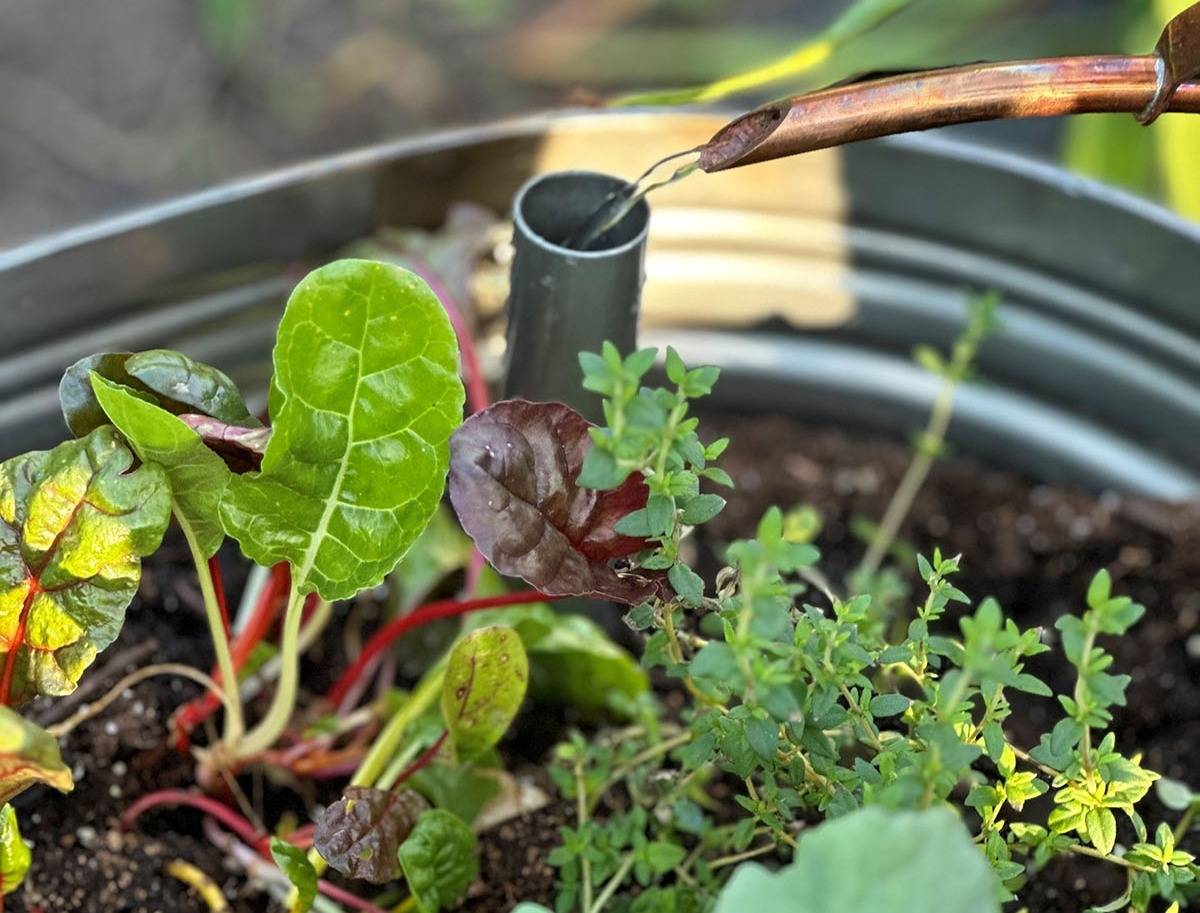
Our attractive 34" x 14" aluminum Esin Planter can be used on a deck railing or patio, and comes complete with a 2.5 gallon water reservoir, wicking material, and watering tube.
- With the reservoir in the bottom of the planter, insert the wicking material into the holes.
- Partially fill the planter, spreading out the wicking material across the soil. See our video!
- Increase the soil level to the height needed to place your plants, then place plants and fill in the soil, tamping gently to remove any air pockets. Adding slow-release fertilizer at planting is recommended.
- Water thoroughly from the top (first time only).
- Fill the reservoir through the tube, refilling as needed to keep your plants happy and healthy.
Our Amberol self-watering hanging baskets come complete with wicking and capillary matting installed and are ready to plant. Just water from the top after planting, then refill the reservoir as needed using the access hole. With heavy-duty chains and construction, these are perfect for growing an impressive display of large ferns, mixed flowers, or tumbling tomatoes. We offer a range of other Amberol pole baskets and large planters suitable for city beautification, commercial sites, and large scale designs.
Convert your own planters to self-watering
While designed to perfectly complement Riverside's commercial-grade, weatherproof planters, our Riverside sub-irrigation units can be used in almost any planter of sufficient depth--a minimum 12 inch tall planter is recommended. Choose the size sub-irrigation unit that best fills the bottom of your planter--round, square, and rectangular sizes are available. The 24" watering tube allows 2 feet of depth for plant roots, so if your container is taller you will raise the sub-irrigation unit as per the below. Your container should have a drain hole for water overflow to escape.
- Fill bottom of planter with gravel or similar material, to desired depth. (photo above Step 1)
- Place filter cloth (landscaping fabric, weed barrier cloth, etc.) over gravel to prevent soil mixture from entering gravel. (photo above Step 2 & 3)
- Place reservoir on top of filter cloth and install fill tube and cap. (photo above Step 2 & 3)
- Place soil mixture on top of and around reservoir, filling planter to desired height. (photo above Step 4)
- Cut fill tube to desired height. (photo above Step 5)
- Place plant material into planter and finish filling with soil mix.
- Water soil thoroughly from the top (first time only).
- Add water to reservoir until fill tube is full.
- Refill reservoir as needed.
We've seen these decrease watering frequency by 70%, even in sunny and windy locations!
Best Plants for Self-Watering Containers
Self-watering planters work best with plants that prefer evenly moist soil.
Ideal Choices:
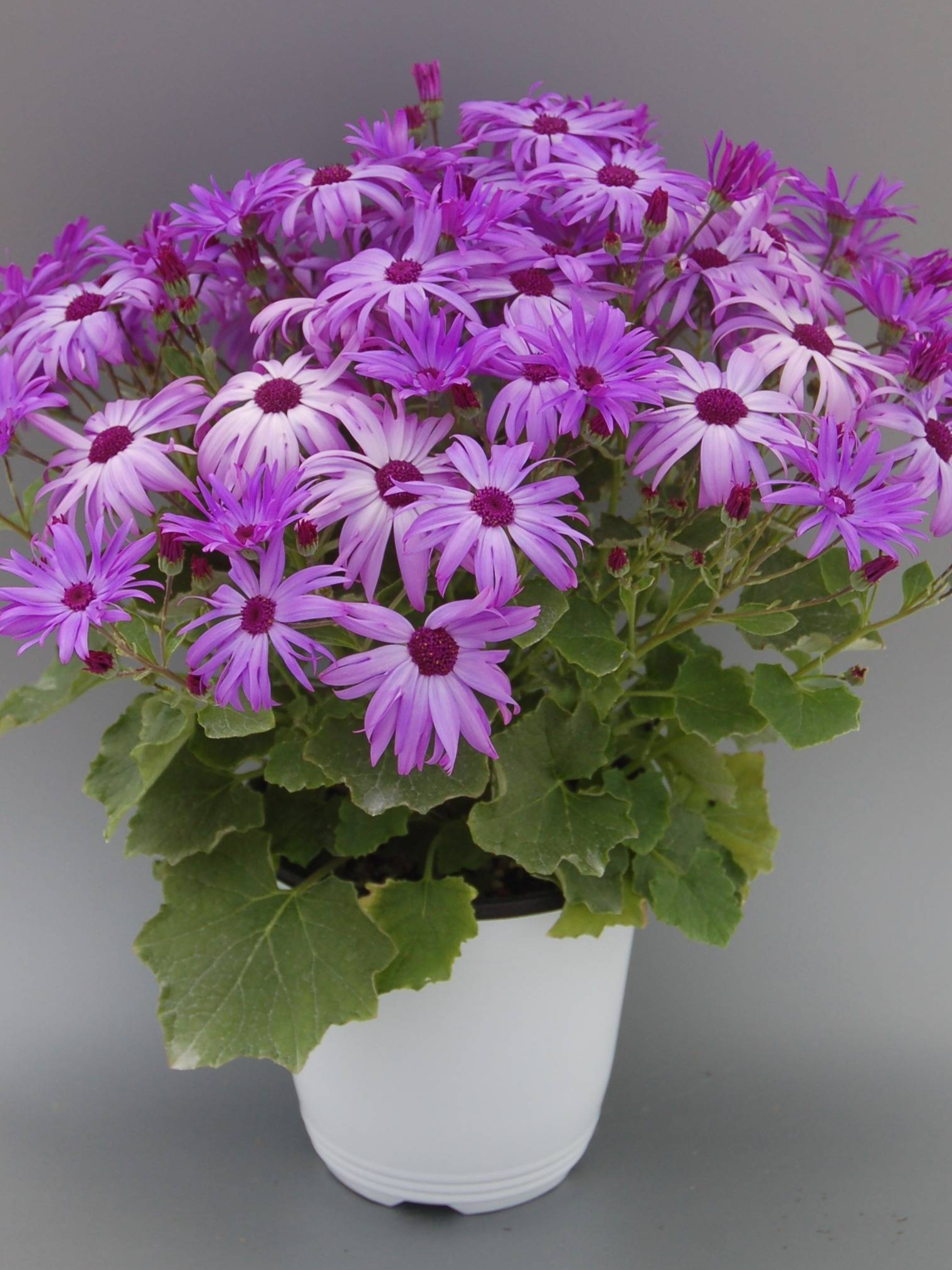
Annual flowers in general; especially beneficial for impatiens, torenia, lobelia, fuchsia, coleus, nasturtium, primrose, and mimulus
- Outdoor tropical plants, especially hibiscus, cannas, bananas, papyrus/umbrella palm (Cyperus spp.), elephant ear (Alocasia), and gingers
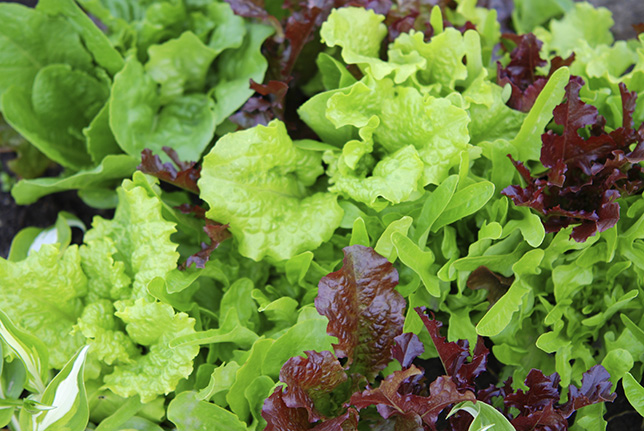
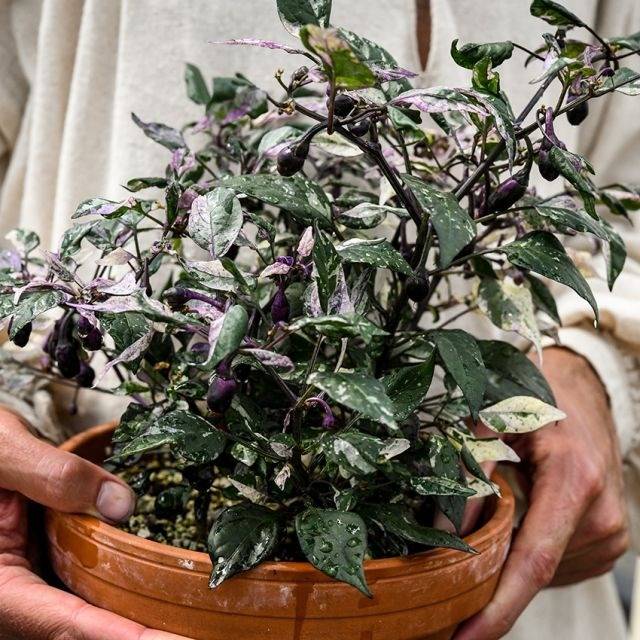
- Vegetables and herbs, notably tomatoes and peppers, basil and mint, lettuce and swiss chard; self-watering systems may help prevent blossom end rot in tomatoes, which is often caused by inconsistent watering.
- Perennials that perform best in consistently moist soil, such as Hostas, Carex, hardy hibiscus, Siberian and Japanese iris, swamp milkweed (Asclepias incarnata), Astilbe, Ligularia, turtlehead (Chelone), Joe pye-weed, Japanese primrose, rushes, bee balm, cinnamon fern, royal fern, maidenhair fern, Sarracenia (carnivorous pitcher plants)
- Shrubs like Hydrangea, dwarf and pussy willow, red or yellow-twig dogwood, Aronia, Itea, and Clethra
- Vining plants such as crossvine (Bignonia), native honeysuckle (Lonicera sempervirens), passionflower, and Carolina jessamine (Gelsemium sempervirens)
- Select houseplants like ferns, peace lily, Calathea, prayer plant, African violets, Streptocarpus, spike moss (selaginella spp.), Fittonia, aluminum plant, and many Ficus species
Plants to Avoid:
- Cactus & succulents
- Drought-tolerant herbs
- Houseplants that prefer drying out between waterings like snake plants, zz plants, orchids, and some Draceana and Hoya species
Are Self-Watering Planters Worth It?
If you want:
- Lower-maintenance container gardening
- Healthier plants
- Consistent watering
- Reduced water usage
- Improved vegetable production
Then YES, self-watering planters are absolutely worth considering! They combine convenience, sustainability, and professional-level growing techniques—making them one of the smartest investments for modern container gardeners.
You may also like