

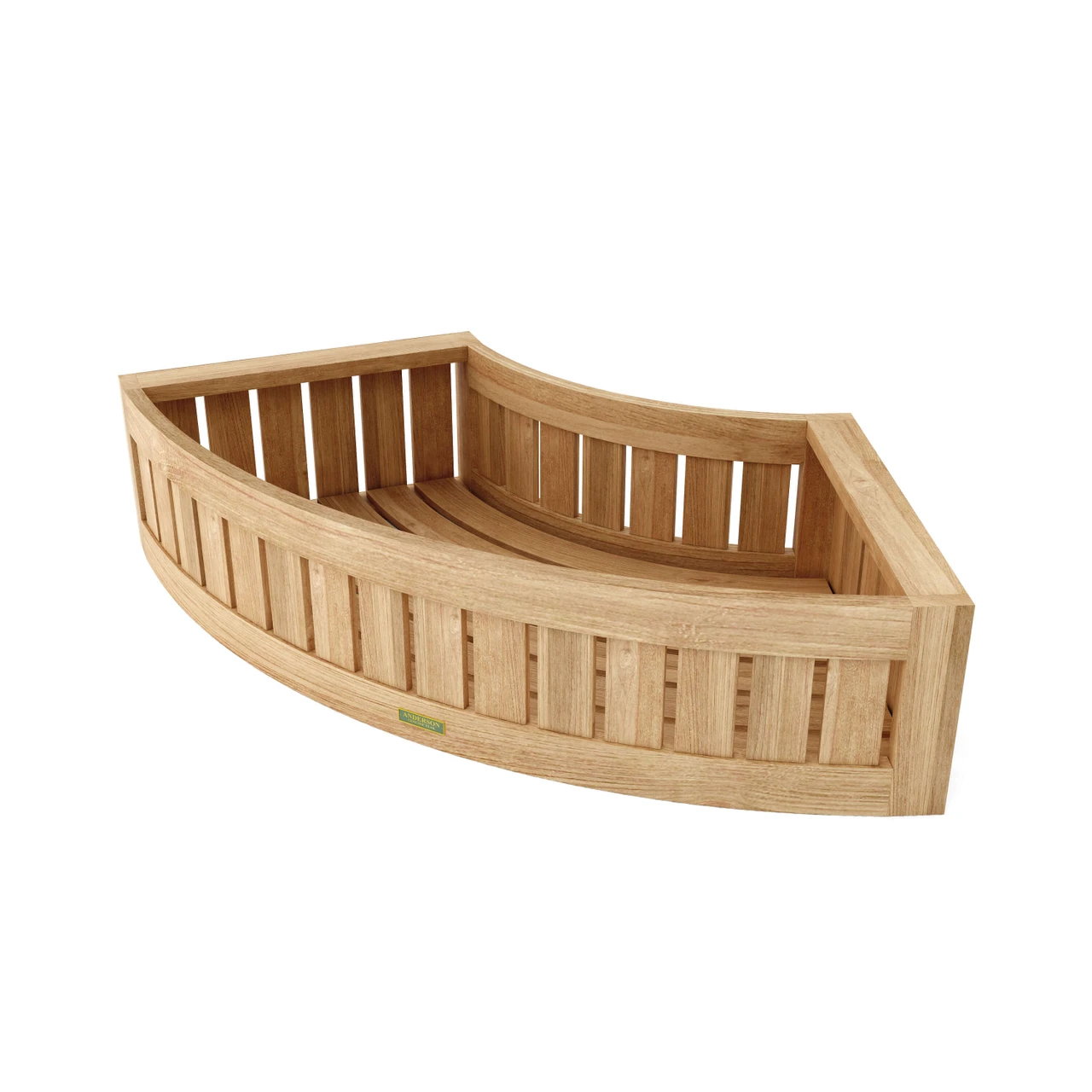
Wood
Teak Wood Planters for Gardens, Patios, and Outdoor Living
Bring natural warmth and timeless style to your outdoor spaces with teak wood planters from Garden Artisans. Known for its durability and natural resistance to moisture and decay, teak is a beautiful choice for outdoor wooden planters. Its rich wood grain complements traditional gardens, contemporary landscapes, patios, decks, and entryways. Whether you are looking for a decorative wood planter to frame an entrance or a natural accent for a terrace or garden, teak offers an enduring alternative to metal, stone, and synthetic planter materials.
Choosing Teak Wood Planters for Your Outdoor Space
Teak wood planters combine the natural character of wood with qualities that make teak particularly well suited to outdoor use. The distinctive grain and warm tones bring an organic element to patios, decks, entryways, and landscaped gardens, complementing everything from traditional garden designs to clean, contemporary spaces.
When choosing a wood planter, consider where it will be placed, the size and style of the plants you want to grow, and how the planter will complement its surroundings.
Why Choose Teak Wood Planters?
Teak has long been valued for outdoor applications because of its natural oils and resistance to moisture and decay. These qualities make it an appealing material for garden planters exposed to changing weather conditions.
Teak also offers a distinctive appearance. Its natural grain and warm golden-brown tones create a welcoming contrast with green foliage, colorful flowers, ornamental grasses, and architectural plants. Over time, untreated teak exposed to the elements typically develops a silvery-gray patina. Some gardeners appreciate this weathered look, while others prefer to maintain the wood's original warmer color with appropriate teak care products.
Where to Use Outdoor Teak Planters
Patios and decks: Teak planters introduce natural texture to outdoor seating and dining areas. Use them to complement wood furniture, soften hardscape materials, or create a focal point beside an outdoor living space.
Entryways and front doors: A well-chosen planter can help frame an entrance and create a welcoming first impression. Consider the proportions of the doorway and surrounding architecture when selecting planter size and placement.
Gardens and landscaped areas: Teak planters provide a natural counterpoint to stone paths, gravel, brick, and other landscape materials. They can highlight specimen plants, ornamental grasses, or seasonal flowers.
Terraces and other outdoor spaces: Wooden planters can help define separate areas or introduce greenery where planting directly in the ground is not practical. For balconies and elevated locations, consider the combined weight of the planter, growing medium, water, and mature plants, along with any applicable structural or placement requirements.
How to Choose the Right Planter Size
The right planter should provide sufficient room for the plant's root system while looking balanced in its intended location. Consider the mature size of the plant, its watering needs, and whether it will remain in the planter for several growing seasons.
Larger planters can accommodate substantial plantings and create a stronger visual presence, while smaller planters work well as accents or for more compact plants. Before purchasing, measure the available space and allow room for access, maintenance, and plant growth.
Also check the planter's interior dimensions, not just its outside measurements, to determine whether it will comfortably accommodate the pot or root ball you intend to use.
Planting in Teak Wood Planters
Before planting, check the planter's construction and drainage provisions. Most outdoor plants need a growing medium and container arrangement that allows excess water to drain appropriately. If you intend to use a nursery pot inside the planter, make sure you can remove it for watering and maintenance, and prevent standing water from accumulating around it.
Choose plants according to the planter's location and growing conditions. Sun exposure, wind, seasonal temperatures, and watering requirements all influence which plants will thrive. A thoughtfully chosen combination of plants and planter can create a lasting focal point without overwhelming the surrounding space.
Caring for Teak Planters
One of teak's appealing characteristics is its ability to weather naturally outdoors. If you prefer the original warm color, use a teak-care product suitable for the planter and follow the manufacturer's instructions. Avoid assuming that a coating is necessary for the wood's durability; maintenance decisions are often about appearance as much as protection.
Periodically remove accumulated soil and debris, check drainage, and inspect the planter for any signs of wear. Good drainage and appropriate planting practices help support both the plants and the planter over time.
Frequently Asked Questions About Teak Wood Planters
Are teak wood planters suitable for outdoor use?
Teak is valued for its natural resistance to moisture and decay, making it a popular choice for outdoor applications. As with any planter, longevity also depends on its construction, drainage, exposure, and care.
Will teak wood change color outdoors?
Yes. Untreated teak commonly transitions from its original warm brown tones to a silvery-gray patina as it weathers. This is a natural change in appearance. Teak-care products can help maintain or restore a warmer color when used as directed.
Do teak planters need to be sealed?
Not necessarily. Teak is naturally durable, and many people allow it to weather without applying a finish. If you want to preserve a particular color, choose a suitable teak-care product and follow its directions.
What plants grow well in teak planters?
The best plants depend on the planter's dimensions, drainage, sunlight, and local climate. Depending on the conditions and available space, options may include ornamental grasses, flowering annuals, small shrubs, and other plants suited to container growing.
How do I choose between a teak planter and another planter material?
Teak is a good option if you want the natural grain and warmth of wood. Metal planters offer a more architectural look, while cast stone provides substantial visual weight and fiberglass or fiberstone can offer a stone-inspired appearance with less weight. Consider the design you prefer, the planter's location, maintenance expectations, and any weight limitations.
Complete Your Garden Design
A planter is most successful when it complements both the plants it holds and the surrounding space. Pair teak's natural warmth with contrasting foliage, seasonal flowers, or sculptural greenery to create a considered outdoor display. You can also explore our other planters and pots to compare materials, shapes, and styles for different areas of your garden.