Concrete statuary and birdbaths add timeless elegance, texture, and personality to any outdoor space. Whether you’re creating a formal garden, enhancing a patio, or adding a focal point to your landscape, proper installation and maintenance are essential for preserving the beauty and durability of your investment.
Concrete Garden Decor: Installation, Maintenance, and Winter Protection Guide
In this guide, we’ll explain how to correctly install, maintain, and winterize concrete garden statues and birdbaths so they remain stunning for years to come.
Why Proper Care Matters for Concrete Garden Décor
Concrete garden accents are built to withstand outdoor conditions, but exposure to moisture, freezing temperatures, sunlight, and debris can eventually cause wear and damage. Proper care can:
- Prevent cracking and surface deterioration
- Reduce staining and mineral buildup
- Preserve color and finish
- Extend the lifespan of statues and birdbaths
With seasonal maintenance and proper installation, concrete garden décor can last for decades.
How to Install Concrete Statuary & Birdbaths
- Choose a Stable Location
Concrete statues and birdbaths are extremely heavy and require a solid, level foundation. Uneven ground underneath large pieces can cause shifting and cracking, or water imbalance in birdbaths.
Ideal installation surfaces include:
- Concrete pads
- Paver patios
- Compacted gravel bases
- Reinforced decks rated for heavy weight
The bottoms of concrete statues and birdbaths are usually unfinished and unsealed. This allows the concrete to breathe, necessary to avoid trapping moisture within which may cause flaking of the exterior. The unsealed bottom may absorb moisture that may freeze in cold weather, cracking or otherwise damaging the piece, so concrete statues and birdbaths should not be installed directly on dirt or grass.
- Protect During Installation and Garden Maintenance
Though cast stone items are heavy and durable, they must be handled carefully to prevent damage during moving and installation. Pry bars, hand trucks, tools and chains can nick or chip concrete surfaces, so wrapping with burlap when moving is recommended. Similar care must be taken with shovels, dirt rakes, mowers, and trimmers when working near decorative items in the garden.
- Ensure Proper Drainage
Standing water around the base of concrete décor can accelerate weather damage and erosion. Make sure rainwater drains away from the installation area.
Proper drainage also helps prevent algae growth and mosquito breeding that may occur even in small pockets of overflow water beneath a birdbath.
Routine Maintenance for Concrete Statuary & Birdbaths
- Clean Concrete Surfaces Regularly
Outdoor statuary and birdbaths naturally collect dirt, pollen, algae, and mineral deposits. Routine cleaning keeps them looking fresh and prevents buildup.
Recommended Cleaning Supplies
Recommended Cleaning Supplies
- Soft-bristle brush
- Toothbrushes are excellent for cleaning small nooks and crannies
- Mild dish soap
- Warm water
- Non-abrasive sponge
Avoid harsh chemicals, acidic cleansers, bleach, or pressure washing, which may erode decorative finishes and weaken concrete surfaces.
How Often Should You Clean Concrete Statuary and Birdbaths?
How Often Should You Clean Concrete Statuary and Birdbaths?
For best results:
- Clean algae buildup on statues as soon as it is noticed - this is more likely on those placed in shady or damp environments
- Wipe birdbath surfaces weekly during active use to remove mineral buildup and bird droppings
- Deep-clean birdbaths every 1–3 months
- Remove leaves and debris regularly
- Change water frequently during summer - birdbaths should be refreshed often to provide clean water for birds and discourage algae and insects.
Depending upon temperature and evaporation, you may encounter a build up of white residue on the surface of your birdbath. This is unavoidable in areas with high
mineral content, especially calcium and lime, in the local water supply. More
frequent rinsing of the fountain and replacement of the water will help to
minimize this occurrence. Using distilled water, or water from a water
softener, will respectively eliminate or reduce mineral buildup
Don't Ignore Small Cracks
Don't Ignore Small Cracks
Minor cracks from can quickly worsen when exposed to moisture and freezing conditions. Inspect concete garden pieces each spring, and repair small damage early using outdoor concrete patch products.
Note that all concrete will develop spider web-like, hair-thin cracks with time. This is normal, and they appear as a result of the expansion and contraction the cast stone goes through during ambient temperature changes.
How to Winterize Concrete Birdbaths & Statuary
Winter weather is one of the biggest threats to outdoor concrete décor. Water trapped inside concrete can freeze, expand, and cause cracking. Proper winterization is critical in cold climates.
Winter care should take place once the weather nears 50 degrees F/10 degrees C.(In the US, October and November, in Canada, September and October). Freezing temperatures can reach as far south as Florida and the Nevada desert.
- Drain All Water Completely
Before freezing temperatures arrive, all water must be emptied from concrete birdbaths. Even small amounts of trapped water can cause damage during freeze-thaw cycles. This is one of the most common causes of cracking.
- Cover Birdbaths
Use breathable waterproof covers designed for outdoor use that will divert water toward the ground rather than capturing it. It may help to place a small lightweight block (such as styrofoam) under the cover to prevent pooling. Cover after several days of dry weather to ensure no excess moisture remains. Avoid wrapping birdbaths tightly with plastic tarps, which can trap moisture and promote cracking.
A proper cover protects against:
- Ice accumulation
- Snow damage
- Debris buildup
- Excess moisture exposure
Elevate Smaller Statuary and Birdbaths
Elevate Smaller Statuary and Birdbaths
Smaller concrete statues and birdbaths can be elevated slightly off the ground during winter months.
Use:
- Wood blocks
- Pavers or bricks
- Raised platforms - upside down metal cake pans or cookie sheets work well for less weighty pieces
- Store Smaller Pieces Indoors When Possible
Lightweight concrete décor may last longer if stored in the garage, basement, shed, or on a covered patio. Indoor storage provides maximum protection from severe winter conditions.
Enjoy Long-Lasting Beauty from Your Concrete Garden Décor
Concrete statuary, pedestals and birdbaths are beautiful investments that can enhance outdoor spaces for decades with proper care. By installing them correctly, performing routine maintenance, and winterizing them before freezing temperatures arrive, you can protect your garden décor from unnecessary wear and weather damage.
Whether your garden features a decorative concrete birdbath, animal statues, classic garden sculptures, or a gazing globe on a pedestal, , consistent care will help preserve their beauty season after season.
Looking for premium concrete statuary and birdbaths? Browse our collection of beautiful garden décor designed to bring lasting charm and character to your landscape.

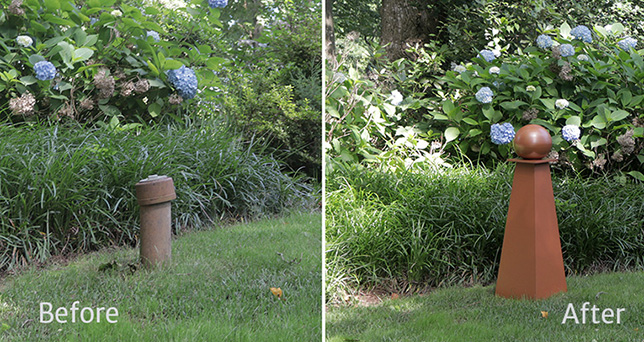
Below: Placing this concrete Gazing Globe Pedestal on a tonally matched bed of gravel protects the piece and creates an elegant focal point that harmonizes with the rest of the garden.

Below: The pedestal beneath this concrete gargoyle prevents contact with ground moisture while raising the statue for better viewing above the tall surrounding plants.

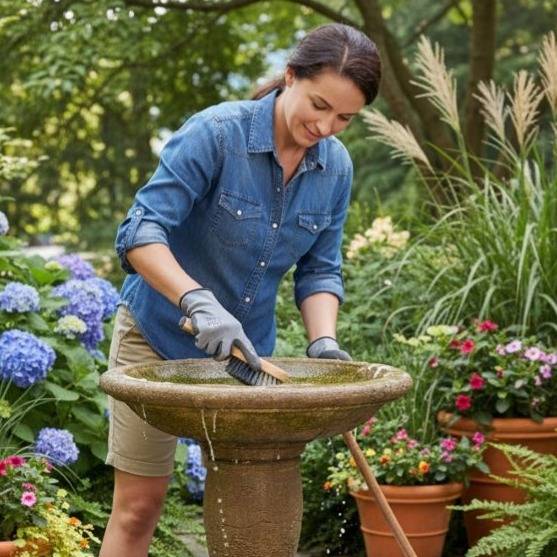
Below: Birdbaths should be cleaned regularly, especially in areas with hard water, to avoid mineral and algae buildup. Using a soft brush and mild dish soap is safe and effective. Avoid high pressure water sprays and harsh chemicals.

Below: Concrete statues should not be placed directly on grass or dirt to avoid absorbing moisture from the ground, especially detrimental in cold winters. Placing a small paver beneath the statue is an easy fix if you don't want to create a gravel base.

You may also like