Few flowering shrubs and perennials create the tropical drama of hibiscus. With dinner-plate-sized blooms, vibrant colors, and months of flowers, hibiscus instantly transforms ordinary landscapes into colorful retreats. Whether you want to create a tropical oasis, attract hummingbirds and butterflies, or simply enjoy spectacular blooms throughout the growing season, there's a hibiscus perfectly suited to your garden.
Growing Hibiscus: A Bold and Beautiful Addition to Every Garden
Although they all belong to the Hibiscus genus, gardeners commonly grow three distinct groups: tropical hibiscus, perennial (hardy) hibiscus, and Rose of Sharon. Understanding their differences will help you choose the best variety for your climate and landscape.
Tropical Hibiscus: (Hibiscus rosa-sinensis)
Nothing says "vacation" like tropical hibiscus. Their glossy evergreen foliage and brilliantly colored blooms evoke the feeling of Caribbean gardens and resort landscapes. This makes them a classic staple for poolside pots and patio planters.
- Appearance
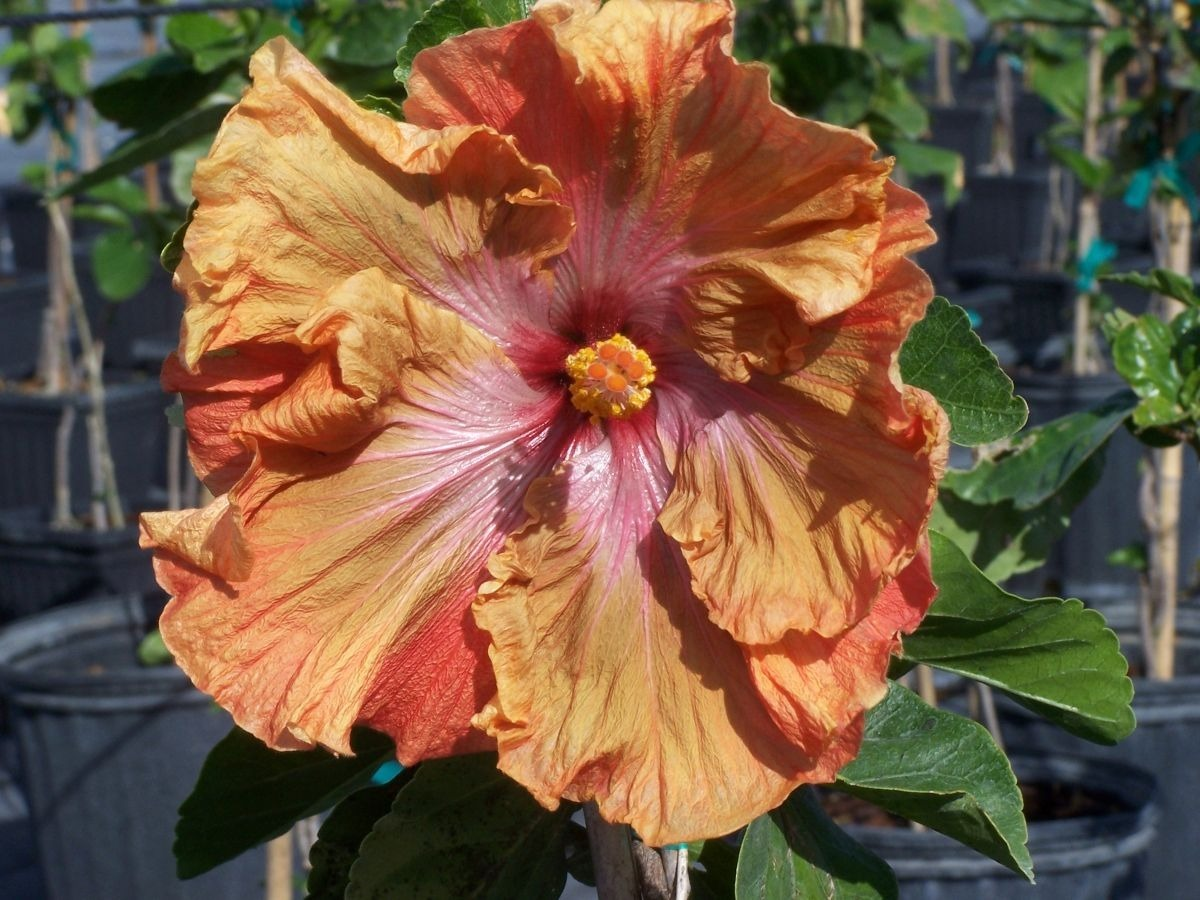
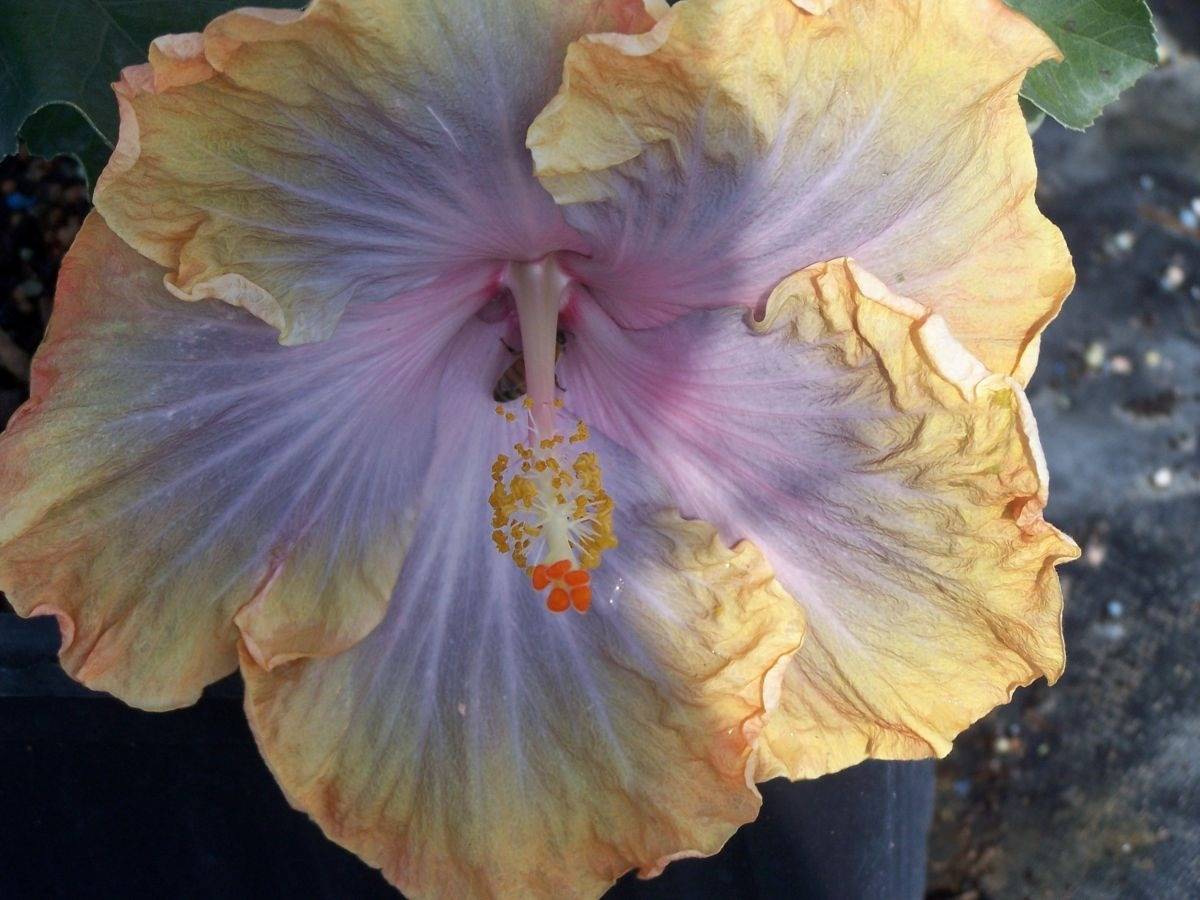
Tropical hibiscus produce large, showy flowers ranging from 4 to 8 inches across in nearly every color imaginable, including red, orange, yellow, pink, coral, white, lavender, and multicolored combinations. Many cultivars feature ruffled petals, contrasting eyes, or double blooms.
The flowers typically last only one day, but plants continuously produce new buds throughout the warm season.
Their foliage is deep green, glossy, and evergreen in frost-free climates, creating an attractive backdrop even when not in bloom.
- Mature Size: 4–10 feet tall and 3–8 feet wide
- Plant Habit: Upright, rounded evergreen shrub
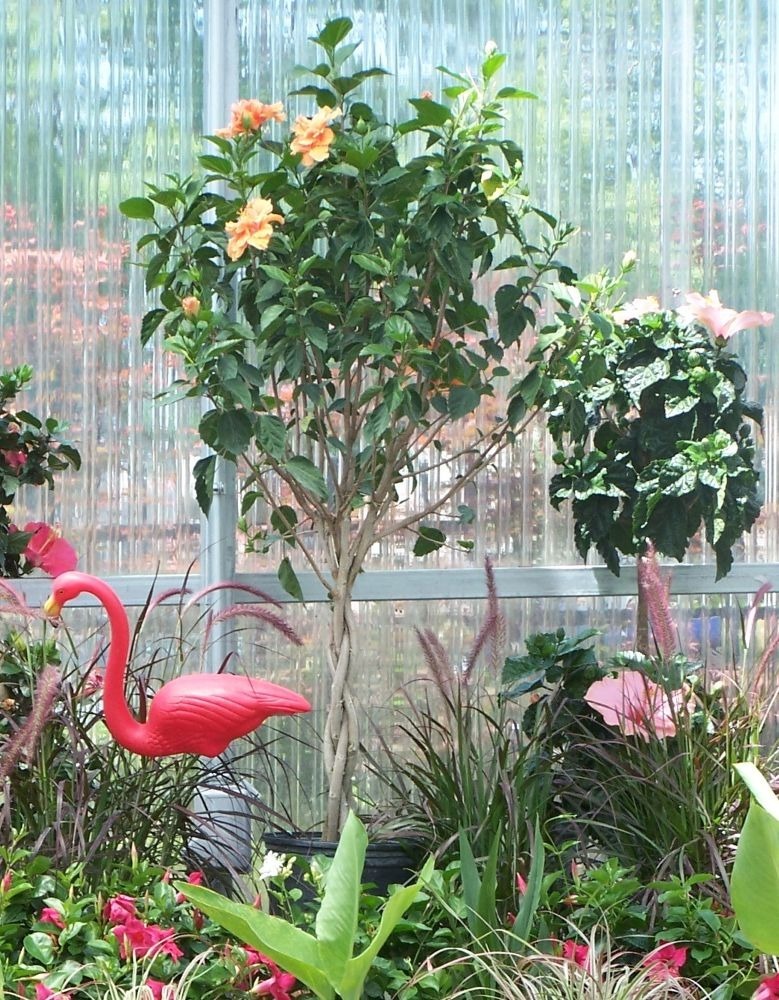
- Often available as standard tree with either single straight, single twisted, or braided trunk
- Growing Conditions
- USDA Hardiness Zones: 9–11 (elsewhere, grown as annuals or easily overwintered indoors)
- Sunlight: Full sun (6–8 hours daily). Afternoon shade benefits plants in extremely hot climates.
- Planting: Plant after all danger of frost has passed in rich, well-drained soil. Container culture is excellent for colder regions.
- Watering: Keep soil evenly moist but never soggy. Water more frequently during hot weather and while blooming.
- Fertilizing: Feed every 2–4 weeks during spring and summer with a fertilizer formulated for flowering plants that's slightly higher in potassium than phosphorus. Reduce feeding during winter.
- Longevity: Many decades in warm climates with proper care
- Garden-Worthy Cultivars and Uses
- Hibiscus rosa-sinensis 'Fiesta': Known for the changing coloration of the flowers as they age, in tones of orange, yellow, and pink; grows 6 to 8 feet high
- Hibiscus rosa-sinensis 'Painted Lady': Ruffled blooms in pink with blush accents and deep crimson center; grows 6 to 8 feet high
- Hibiscus rosa-sinensis 'President': Classic red single flower up to 5" wide; grows 6 to 8 feet high
- Hollywood series - Newer, more compact cultivars* bred for a high bud count and outward, upward facing flowers; 13 colors in the series so far; grows 4 to 5 feet
- Tradewinds series: Compact plants bred for container production*; 28 varieties in the series (with more on the way) in shades of yellow, orange, pink, white, and red.
- *Note that many, especially those grown in 8 inch and smaller containers, are treated heavily with growth regulators in production, to promote an extremely bushy habit that is covered with closely spaced flowers. The effect of the chemicals will wear off by the following year, and the internodes between leaves will lengthen as plants return to their normal growth habit.
- Best Uses: Patio and poolside containers, tropical gardens
- Expert Growing Tips
- Feed lightly but often. Rather than applying a heavy dose of fertilizer once a month, feed every two weeks with a dilute, water-soluble fertilizer formulated for flowering plants. Smaller, frequent feedings encourage continuous blooming without producing excessive leafy growth.
- Watch the phosphorus. Many gardeners assume flowering plants need high-phosphorus fertilizers. In reality, tropical hibiscus are sensitive to excess phosphorus, which can interfere with the uptake of micronutrients such as iron and zinc. A fertilizer with moderate phosphorus and higher potassium generally produces healthier plants and more flowers.
- Tropical hibiscus dislikes constantly wet roots even though it enjoys consistent moisture. Allow the top inch of soil to dry slightly before watering again. In containers, use a fast-draining potting mix rather than standard garden soil to prevent root rot.
- Prune strategically. Flower buds form on new growth. Lightly pruning branch tips in early spring or after a flush of blooms encourages branching, resulting in more flowering stems throughout the season.
Spider mites often become a bigger problem than aphids, especially during hot, dry weather. Regularly spraying the undersides of leaves with a strong stream of water discourages infestations before they become serious.
Inspect flower buds frequently for thrips, which feed inside developing blooms and cause distorted or unopened flowers. Removing damaged buds can interrupt their life cycle.
Avoid broad-spectrum insecticides whenever possible, as they kill beneficial insects that naturally control pests.
- Overwintering Tips
Gardeners in colder climates often lose tropical hibiscus indoors because they wait too long to bring them inside. Move plants indoors before nighttime temperatures consistently fall below 50°F (10°C).
Expect some leaf drop after moving indoors. This is normal as the plant adjusts to lower light levels.
If a space with good lightng and regular room temperature is available, these can be kept growing over winter and can easily bloom indoors.
Alternatively, they can be stored cool (such as in a basement or attached garage where they will not freeze) in a semi-dormant state with just enough water to keep the root ball from becoming completely dry. The leaves may drop but the stems should remain alive.
If winter growth is weak or spindly they may be pruned back hard in spring.
Perennial (Hardy) Hibiscus: (Hibiscus moscheutos and Related Species and Hybrids)
- Appearance
Few garden flowers rival the enormous blooms of hardy hibiscus. Flowers often measure 8 to 12 inches across and appear in shades of white, blush pink, rose, magenta, deep red, and bicolors, frequently featuring dramatic crimson centers.
The foliage varies by cultivar, from bright green to rich burgundy or nearly black, or with white variegation, adding ornamental value even before flowering begins.
- Mature Size: 3–7 feet tall and 3–6 feet wide
- Plant Habit: Upright herbaceous perennial
- Growing Conditions
USDA Hardiness Zones: 4–9
- Sunlight: Full sun for best flowering
- Planting: Plant in spring after frost danger has passed. These plants prefer fertile, moisture-retentive soil and tolerate wet conditions better than most perennials.
- Watering: Water deeply and consistently. Do not allow plants to dry out during summer.
- Fertilizing: Apply compost or a balanced slow-release fertilizer in spring. A light midsummer feeding encourages continued flowering.
- Longevity: 10 years or longer
- Garden-Worthy Species/Cultivars and Uses
Hibiscus moscheutos (Rose Mallow)
Hibiscus coccineus (Scarlet Rose Mallow)
Hibiscus laevis (Halberdleaf Rose Mallow)
Hibiscus grandiflorus (Swamp Rose Mallow)
Popular cultivars include:
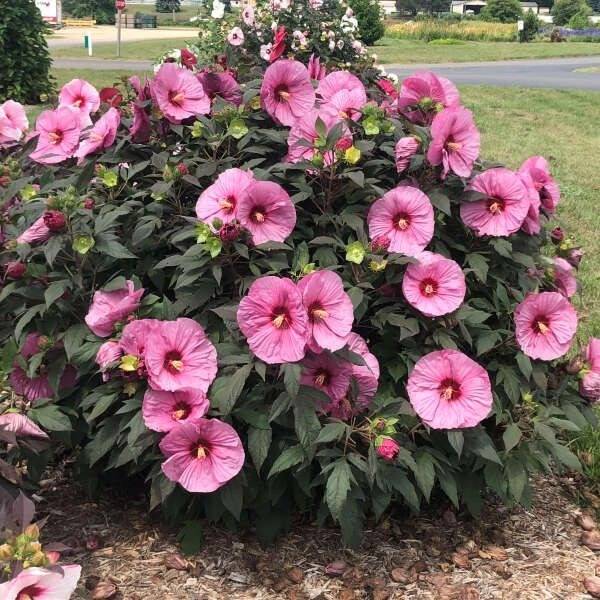
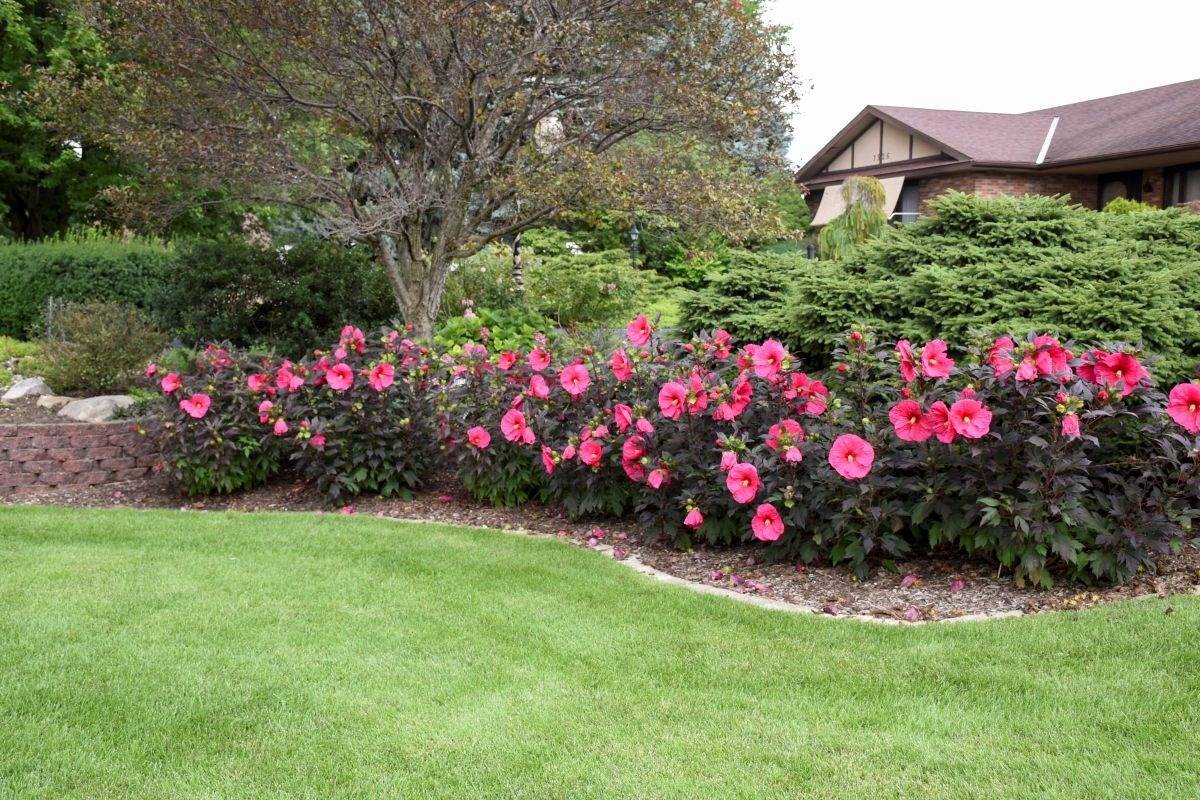
- 'Summerific®' series: Currently 18 colors in the series, pinks, reds, cream and white, many with dark purple to almost black foliage; 7 to 9 inch blooms; excellent cold tolerance to zone 4; 3 to 5 feet high and wide
- 'Luna' series: 6 to 8 inch blooms of red, pinks, or white on compact 2-3' plants; seed-grown variety often available as a mix; best for containers due to the smaller size
- 'Midnight Marvel': wine-purple dark foliage with 8-9" red blooms; 4' x 4'
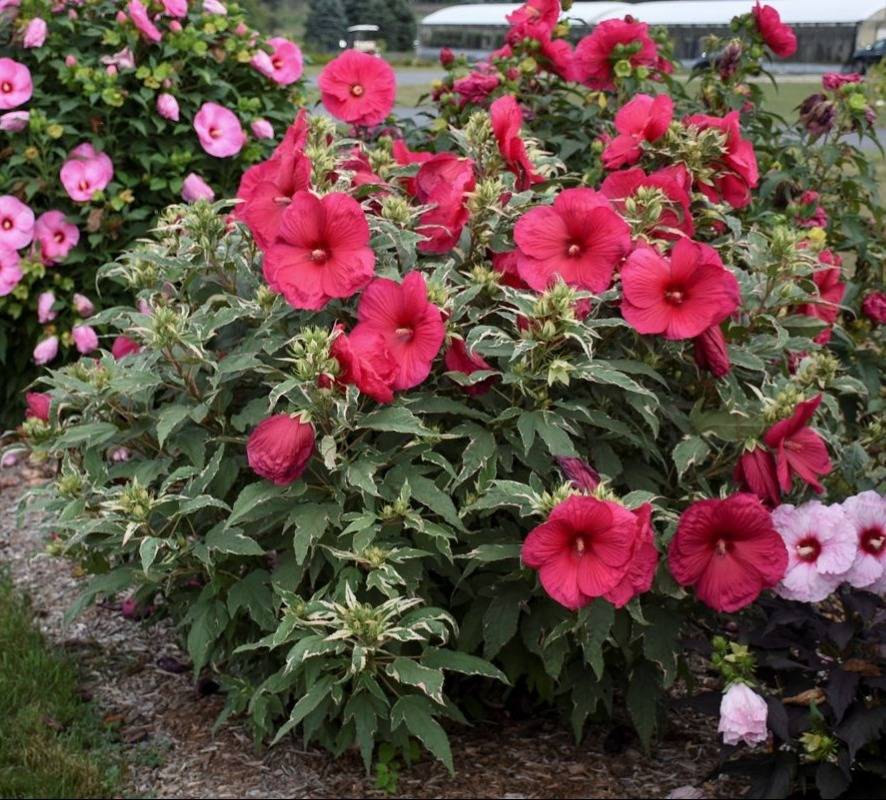
- 'Summer Carnival': noted for its large magenta blooms and white variegated foliage that sometimes exhibits a pink blush
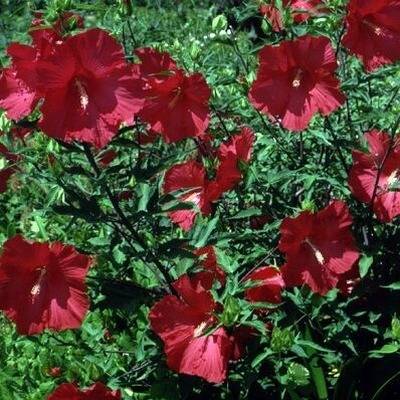
- 'Lord Baltimore': old favorite classic red variety with some of the largest flowers available on a perennial hibiscus, up to 10" diameter; 4-5 feet high; up to zone 5
- Best Uses: Mixed borders, rain gardens, focal points
- Expert Growing Tips
- Mark planting locations in autumn so dormant crowns aren't accidentally dug up or damaged.
One of the biggest mistakes gardeners make is assuming their hardy hibiscus died over winter. These plants are among the last perennials to emerge in spring, often waiting until soil temperatures warm significantly. In northern climates, new shoots may not appear until late May or even early June.
- Pinch growing tips when stems are 10 to 12 inches tall to encourage branching and increase the total number of flowers. Although blooming begins slightly later, the overall floral display is often much more impressive.
Leave stems standing until late winter if possible. They help trap insulating snow and identify dormant plants.
Avoid heavy winter mulch directly over the crown, especially in poorly drained soils. Excess moisture around dormant crowns can lead to rot.
Rose of Sharon (Hibiscus syriacus)
- Appearance
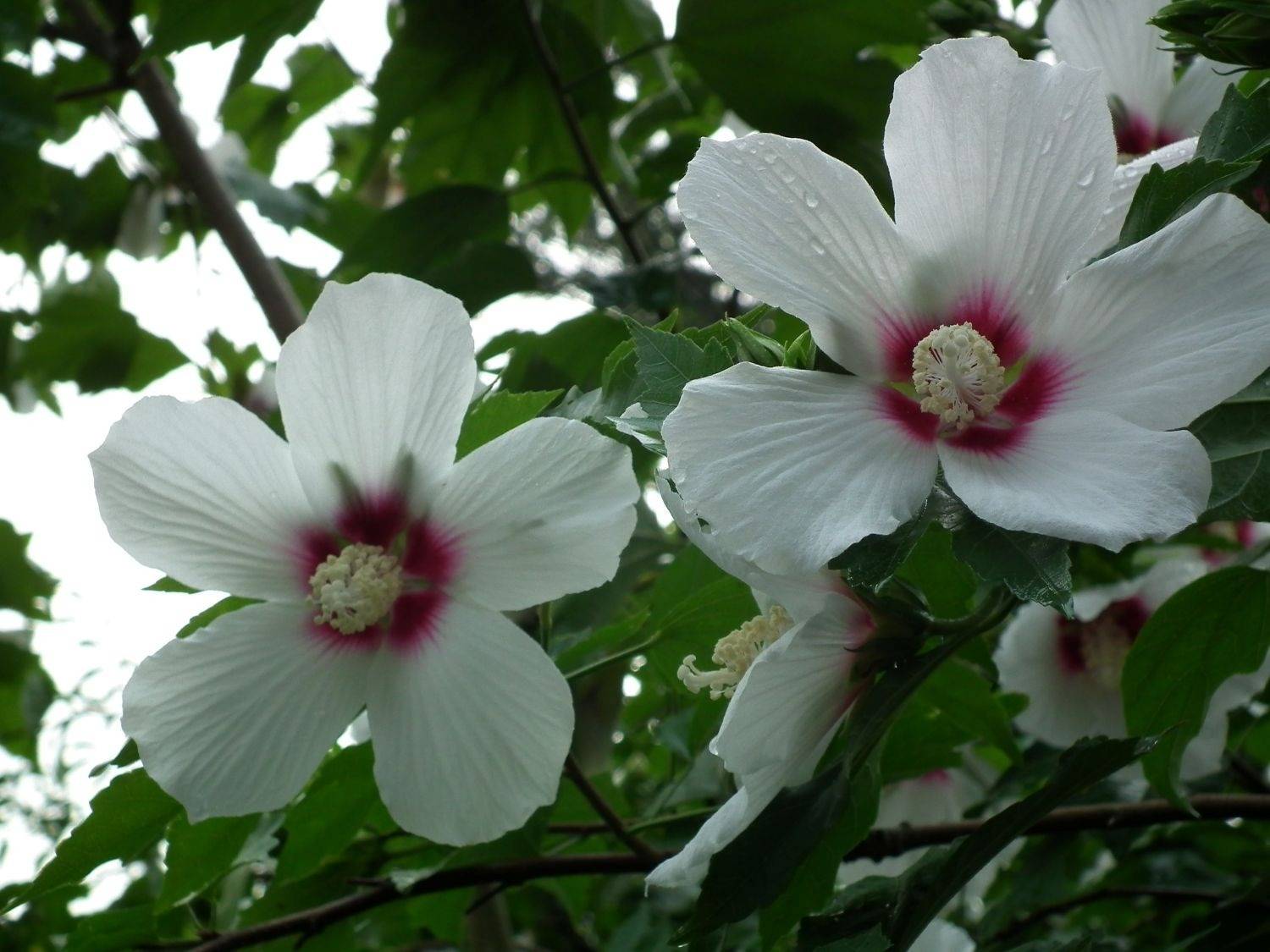
Flowers are generally 2 to 4 inches across and come in white, pink, lavender, blue-purple, red, and bicolor forms. Single, semi-double, and fully double varieties are available.
The leaves are medium green with slightly toothed edges, creating a dense shrub that also works well as a flowering hedge or privacy screen.
- Mature Size: 8–12 feet tall and 6–10 feet wide
- Plant Habit: Multi-stemmed deciduous shrub or small tree; older, larger varieties tend to be vase-shaped at maturity, while newer compact types have a more rounded, upright profile
- Growing Conditions
- USDA Hardiness Zones: 5–9
- Sunlight: Full sun produces the most abundant flowering, although light afternoon shade is tolerated.
- Planting: Plant in spring or fall in well-drained soil. Once established, Rose of Sharon adapts well to a variety of soil types.
- Watering: Water regularly during establishment. Mature plants become moderately drought tolerant but bloom best with supplemental watering during prolonged dry periods.
- Fertilizing: Apply compost or a balanced slow-release fertilizer in early spring. Excessive nitrogen encourages leafy growth at the expense of flowers.
- Longevity: Decades with proper siting and care
- Generally deer resistant
- Garden-Worthy Cultivars and Uses
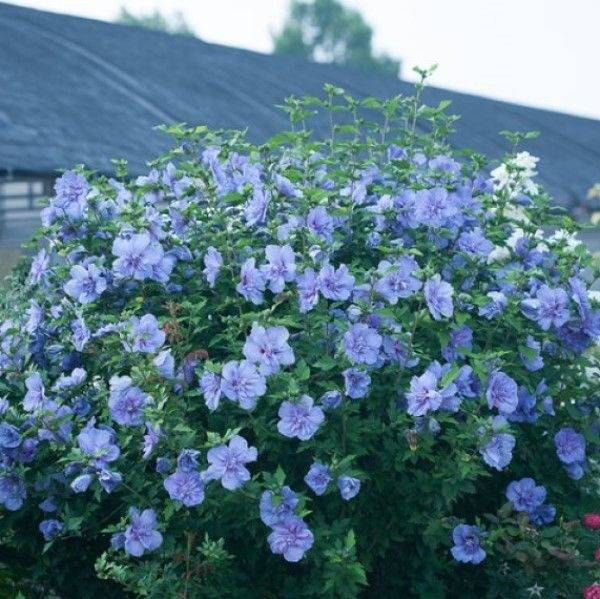
- 'Chiffon' series (7 colors): Ruffled double flowers with fluffy centers; rounded habit; some are sterile or nearly sterile (Lavender, Blue, White)
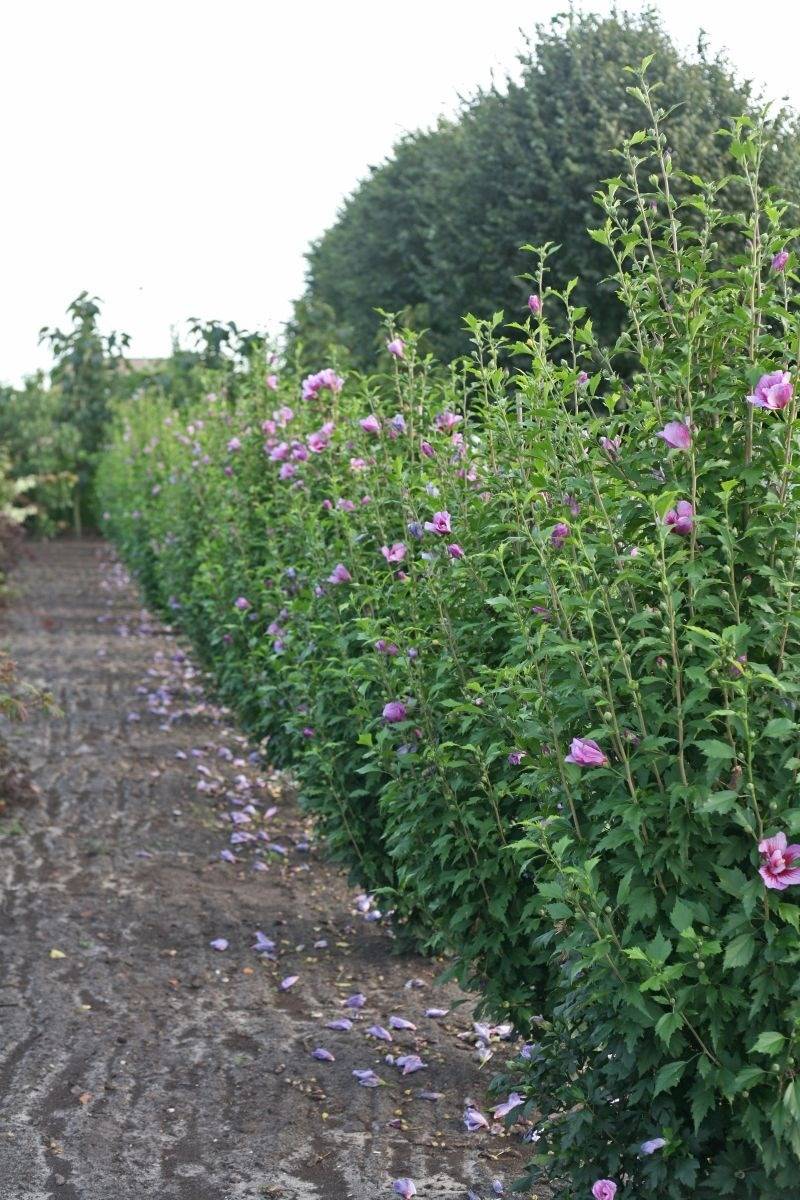
- 'Pillar' series: Narrower, more upright growth and semi-double flowers; 10-16' tall x 2-5' wide; Purple, White, or Red (dark pink with a large red center); sterile
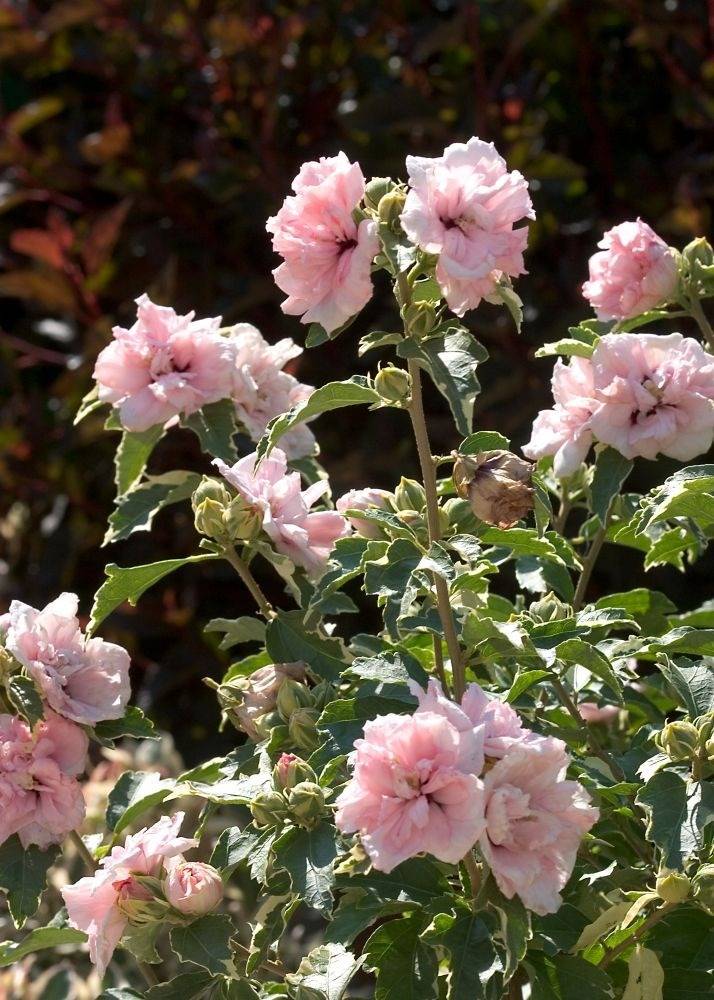
- 'Sugar Tip' series (2 varieties): smaller at up to 6' high and wide with variegated foliage and double flowers in pink or lavender
US Arboretum Introductions (little to no seed production):
- 'Diana': pure white flowers; 8' x 8' with a rounded vase-shaped habit
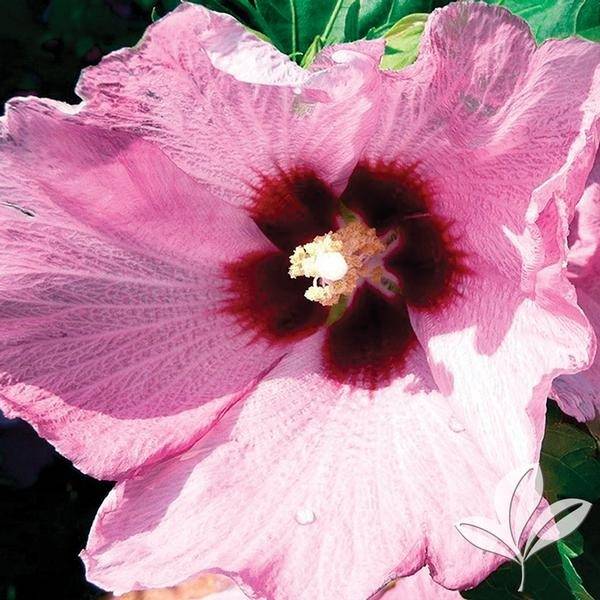
- 'Aphrodite': ruffled pink flowers with dark red eye
- 'Helene': ruffled white flowers with dark red eye
- 'Minerva': lavender-pink flowers with a dark red throat; vase shaped habit
- Best Uses: Hedges, foundation plantings, specimen shrubs
Older Rose of Sharon varieties often produce thousands of seedlings each year.
To reduce unwanted volunteers:
- Deadhead spent flowers before seed pods mature. Remove developing seed capsules in late summer.
- Choose sterile or nearly sterile cultivars such as 'Purple Pillar,' 'Orchid Satin,' 'Sugar Tip,' or members of the Chiffon® series if self-seeding is a concern.
- Expert Growing Tips
- Many gardeners overfertilize Rose of Sharon with lawn fertilizer, resulting in vigorous leafy growth but relatively few flowers. Instead, apply compost each spring or use a slow-release fertilizer formulated for flowering shrubs.
Prune in late winter or very early spring since flowers develop on new wood.
Japanese beetles may feed heavily on flowers and leaves during midsummer.
Hand-picking beetles early in the morning often provides surprisingly effective control. Avoid placing pheromone traps nearby, as they frequently attract even larger numbers into the garden.
Aphids occasionally cluster on tender new shoots but are usually controlled by lady beetles, lacewings, and other beneficial insects.
Below: Tropical hibiscus are often grown for sale as standard trees with braided or straight trunks. A multi-color effect can be achieved when plants of different colors are braided - no single hibiscus plant blooms in multiple colors.
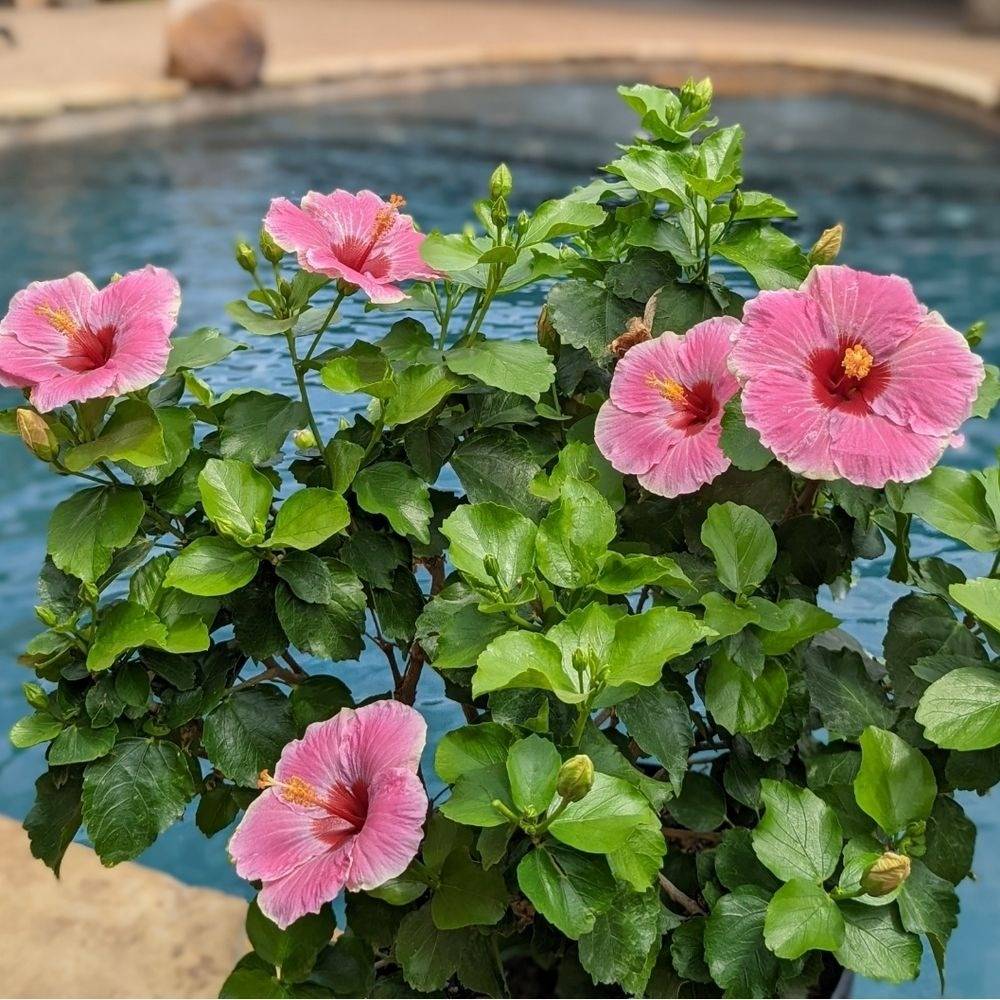
Below: 'Hollywood Bloom Bash' tropical hibiscus. This is not one plant that blooms in several different colors, but three different plants grown together to create the stunning effect. Photo courtesy Proven Winners, Inc., www.provenwinners.com
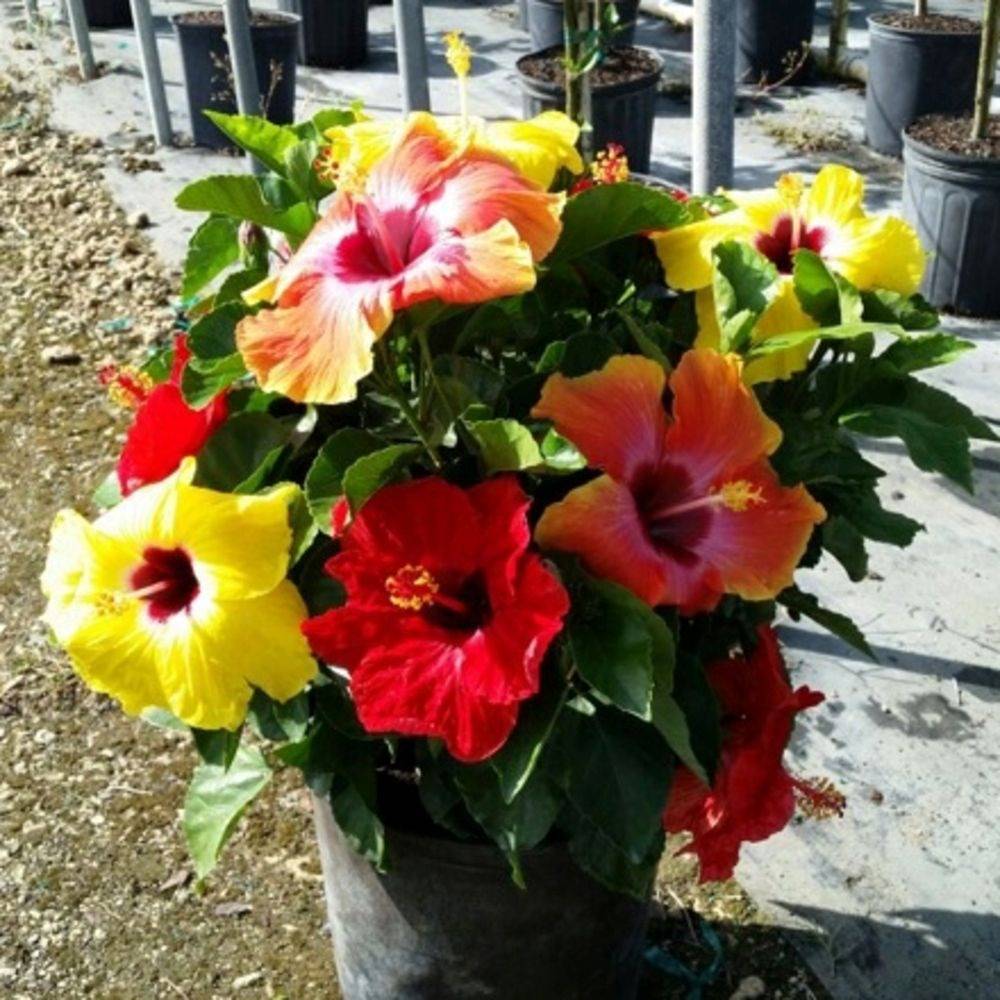
Below: An example of the amazing color variety in tropical hibiscus. These "exotic" types with large, ruffled petals and blended hues are much more common now than they were when I visited this grower 20 years ago.
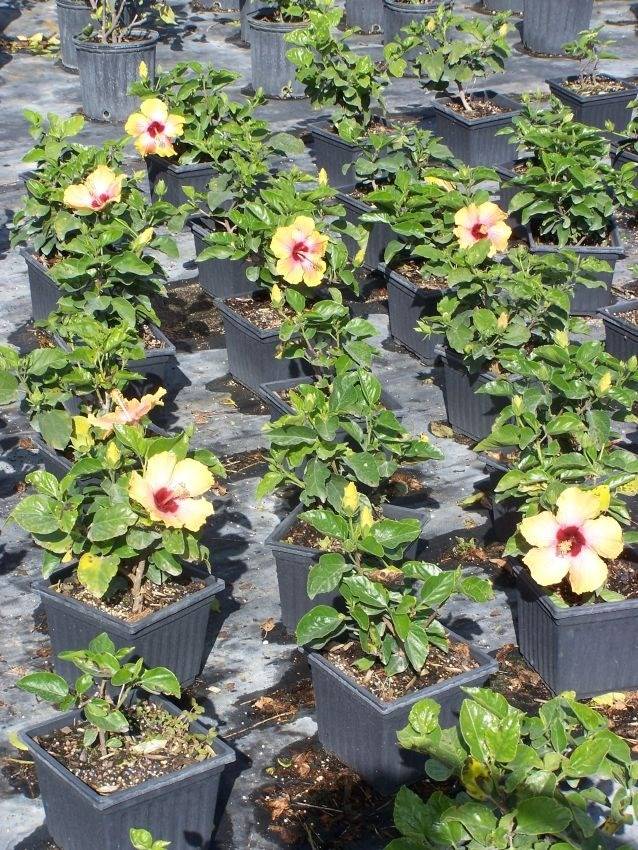
Below: Tropical hibiscus grown in small containers are usually treated with growth regulators, which they will outgrow the following year. That accounts for such small bushy plants with such a high bud count.
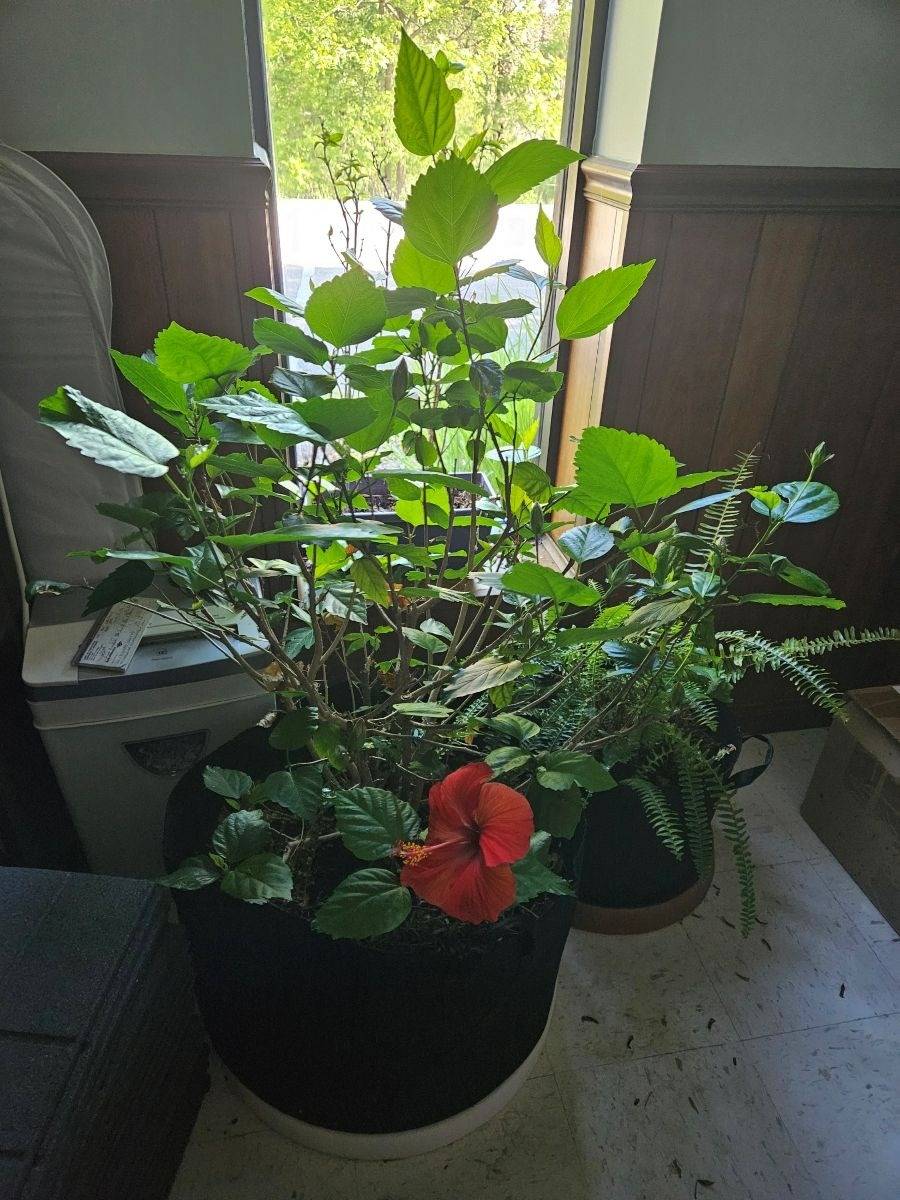
Below: Our tropical hibiscus winters in the office in a set-back south-facing window, and we counted over 15 buds at one time - not bad!
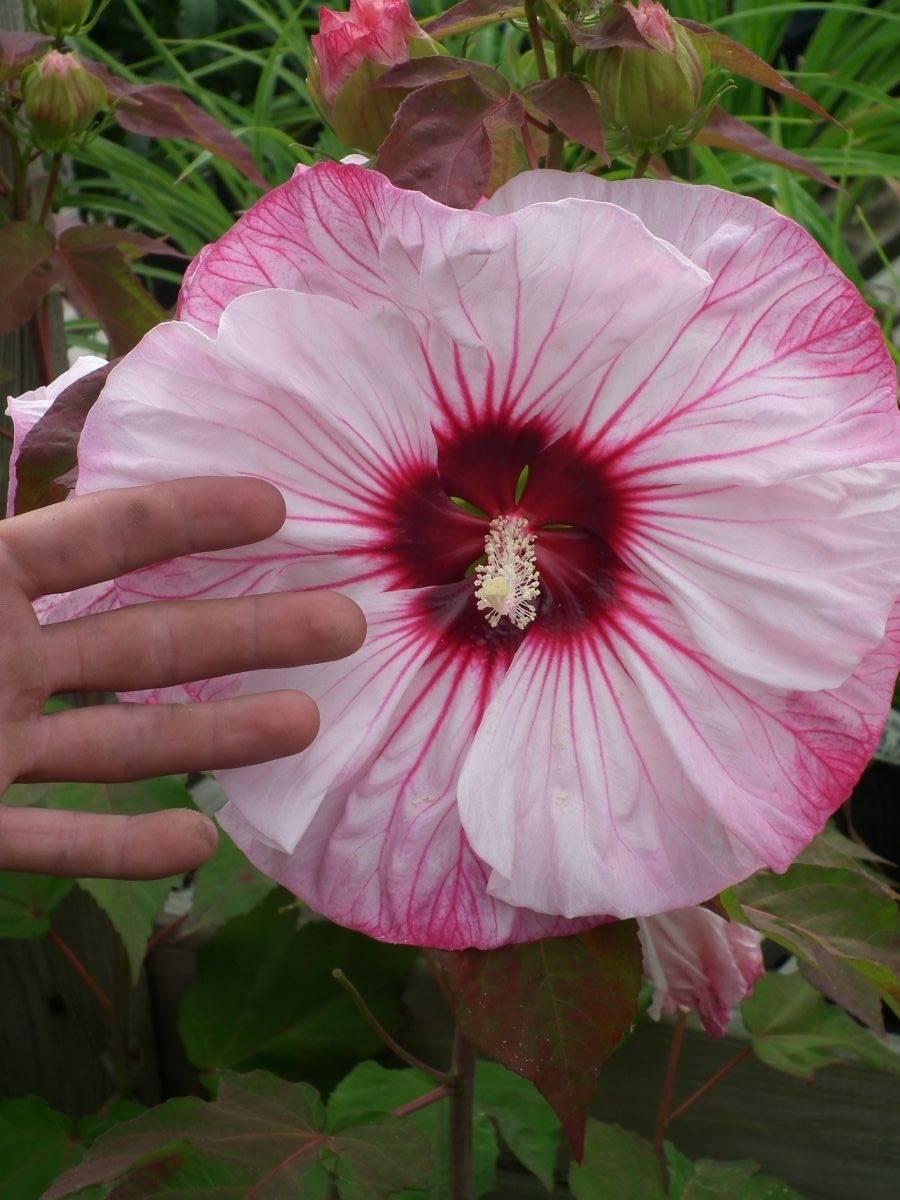
Below: The "dinnerplate" sized flowers of perennial hibiscus.
Below: Perennial hibiscus 'Summerific Cranberry Crush,' photo courtesy Proven Winners, Inc., www.provenwinners.com
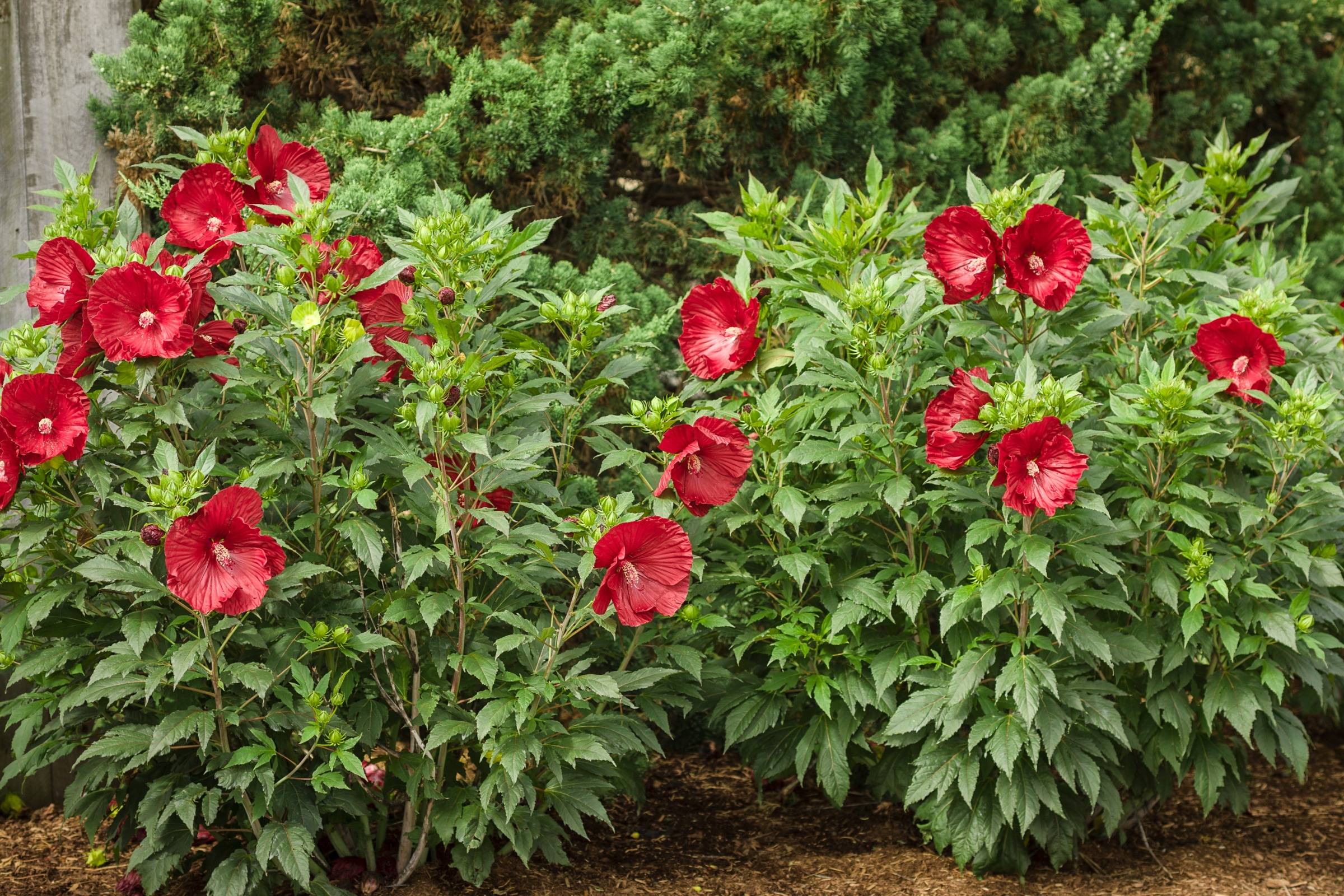
Below: Perennial Hibiscus 'Berry Awesome,' photo courtesy Proven Winners Inc., www.provenwinners.com
Below: Hardy perennial hibiscus 'Summerific Evening Rose' as a border plant. Photo courtesy Proven Winners, www.provenwinners.com
Below: Hardy perennial hibiscus 'Summer Carnival' is one of a few varieties with variegated foliage. Photo courtesy Proven Winners, www.provenwinners.com
Below: Hardy perennial hibiscus 'Lord Baltimore.' Photo courtesy Greenleaf Nursery, www.greenleafnursery.com
Below: The smaller flowers of Hibiscus syriacus, Rose of Sharon. This is a valuable addition to the landscape, as it provides color through the summer months when many other plants are out of bloom.
Below: Hibiscus syriacus 'Blue Chiffon,' photo courtesy Ball Horticulture, www.ballhort.com
Below: 'Purple Pillar' Hibiscus syriacus (Rose of Sharon) grown as a deciduous flowering hedge. Photo courtesy Proven Winners, Inc. www.provenwinners.com
Below: 'Sugar Tip' hibscus shrub (Rose of Sharon), with variegated leaves and double pink flowers. Photo courtesy Proven Winners, Inc. www.provenwinners.com
Below: Flower of Hibiscus syriacus 'Aphrodite,' photo courtesy Greenleaf Nursery, www.greenleafnursery.com
Why Every Garden Benefits from Hibiscus
Hibiscus offers far more than spectacular flowers. Their nectar-rich blooms attract hummingbirds, butterflies, native bees, and other pollinators throughout the growing season. Because different hibiscus types bloom from early summer into fall, gardeners can enjoy months of continuous color by combining more than one type.
Tropical hibiscus brightens patios and poolside plantings with exotic flair. Hardy hibiscus anchors perennial borders with enormous blooms that become instant conversation pieces. Rose of Sharon fills the late-summer landscape with dependable flowers while serving as an attractive flowering hedge or privacy screen.
Whether your garden is in Florida, Minnesota, or anywhere in between, there's a hibiscus suited to your climate. By choosing the right type for your USDA hardiness zone and providing plenty of sunshine, consistent moisture, and occasional feeding, you can enjoy one of the world's most rewarding flowering plants for many years to come.
You may also like