Fall is a season of transition in the garden. In colder climates, plants are preparing for dormancy and winter, while in warmer regions, many gardens continue growing well into the season. That difference matters. Fall garden maintenance isn't the same everywhere. A task that makes sense in a freezing climate may be unnecessary—or even counterproductive—in a region where temperatures remain mild.
What to Do—and What Not to Do—in the Garden This Fall
The goal isn't to put every garden to bed as quickly as possible. Instead, fall is a good time to clean up selectively, protect plants appropriately, enjoy seasonal garden beauty, and prepare for the conditions your particular climate will bring.
Here are the most important things to do—and not do—in the garden this fall.
DO: Know Your Climate Before You Start
Before tackling your fall garden checklist, consider what actually happens in your garden during winter.
If you live in a frost-free or warm climate, plants may continue growing throughout fall and winter. Your garden may need ongoing watering, pruning, planting, and maintenance rather than a traditional "winter shutdown."
If you live in a colder climate where the ground freezes, fall is primarily a period of transition into dormancy. Timing becomes particularly important because plants need to acclimate to freezing temperatures.
USDA hardiness zones can be a useful starting point, but local conditions matter, too. Elevation, exposure, microclimates, soil, and proximity to buildings or bodies of water can all affect how cold a particular garden becomes.
The takeaway: Don't follow a fall gardening calendar blindly. Use your climate and the needs of your plants as your guide.
DON'T: Treat Every Fallen Leaf as Garden Waste
Leaves are one of the most useful materials naturally available in the fall garden.
Rather than automatically bagging them all, consider shredding leaves and using them as a soil amendment or mulch, or adding them to a compost pile.
However, leaves shouldn't simply be allowed to accumulate everywhere. A thick, wet layer can smother turf or delicate plants and create conditions that encourage some lawn and plant diseases.
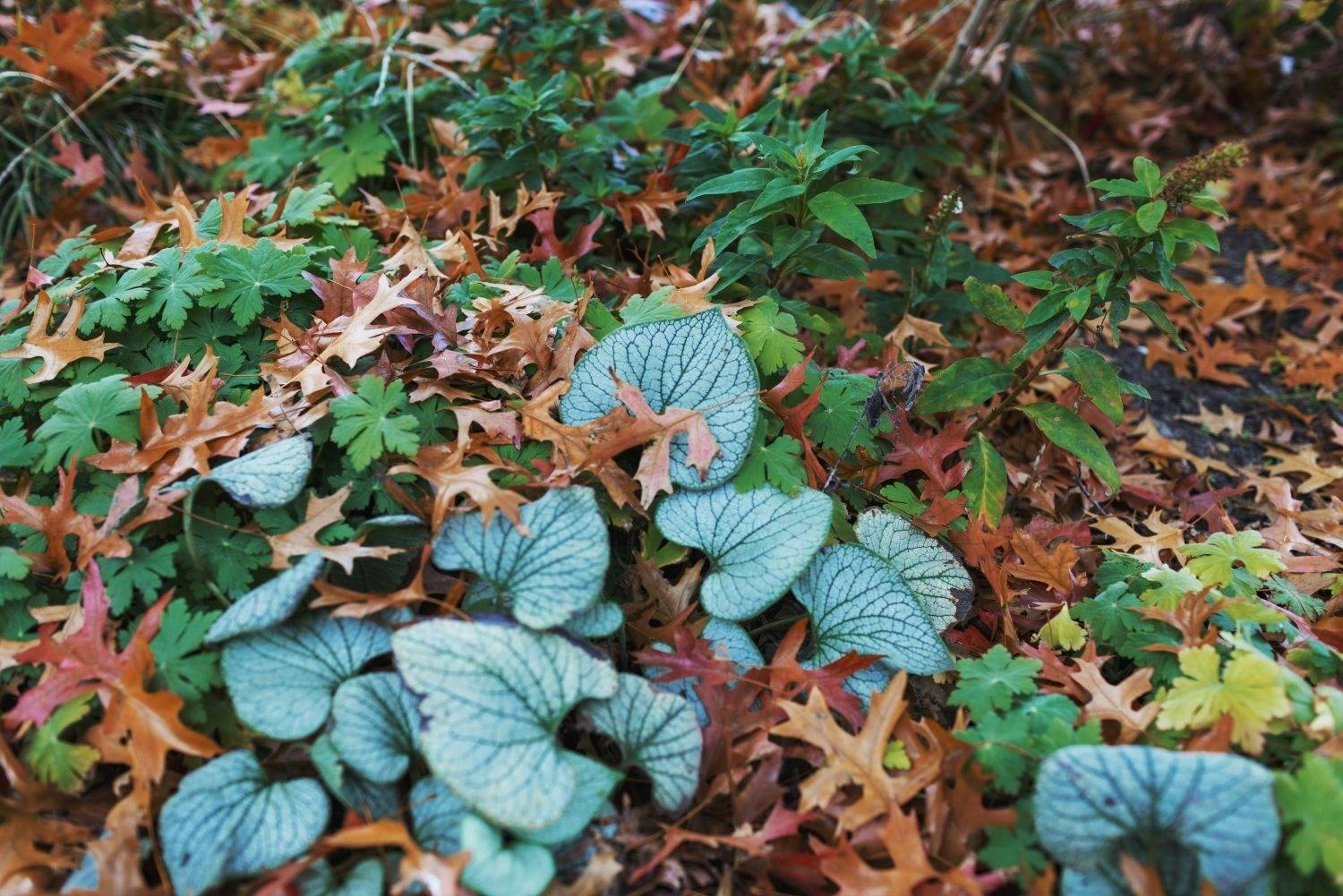
In garden beds, though, a moderate amount of fallen leaves can contribute to a more natural appearance while eventually breaking down and returning organic matter to the soil, as well as providing habitat for overwintering insects and protection for small animals. Conversely, if you have issues with mice, voles or shrews, you should remove any potential cover that allows them to hide or travel unseen.
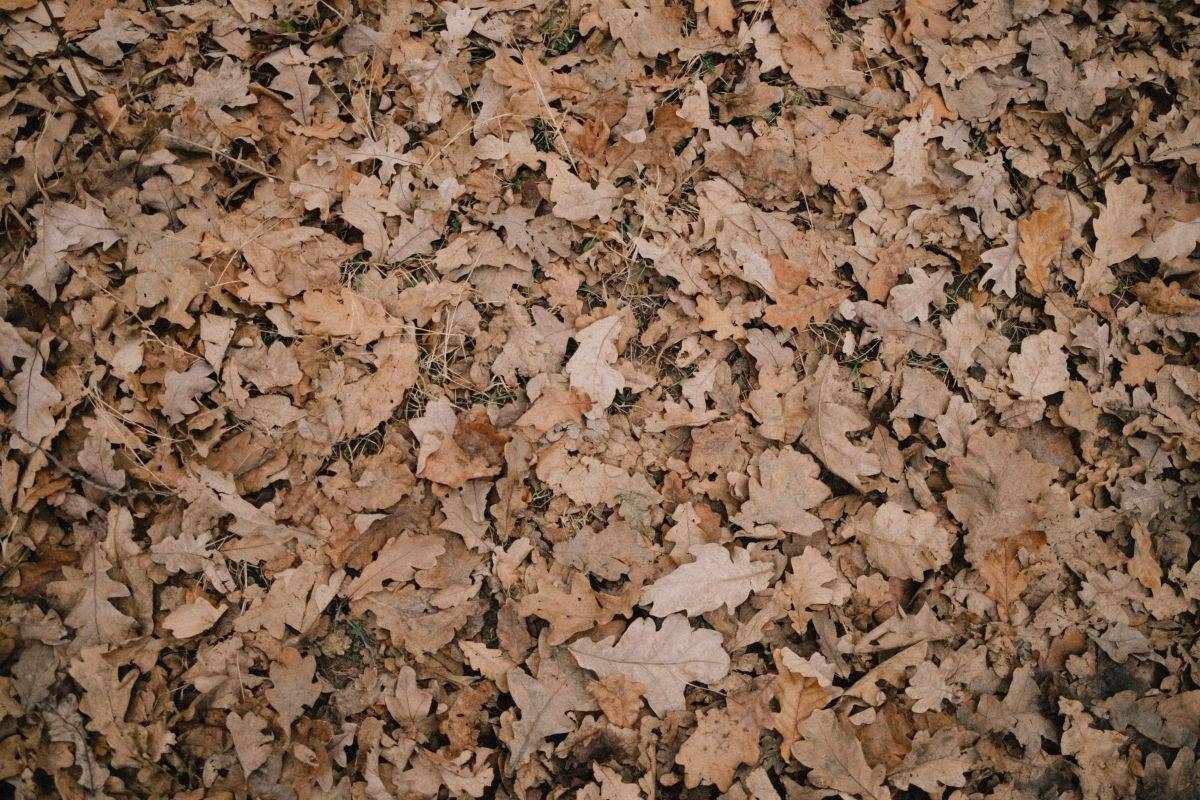
Maple, birch, willow, ash, elm, dogwood, and tulip poplar leaves tend to break down faster, while oak, beech, Callery pear, and sycamore tend to mat when wet and decompose more slowly. Black walnut leaves should be removed and should not be composted.
From a garden-design perspective, fallen leaves can actually enhance the cozy, seasonal feeling of an autumn landscape.
DO: Clean Up Garden Beds—But Don't Overdo It
Fall is a good time to remove dead annuals, diseased foliage, and weeds, and cut back plants that have finished for the season.
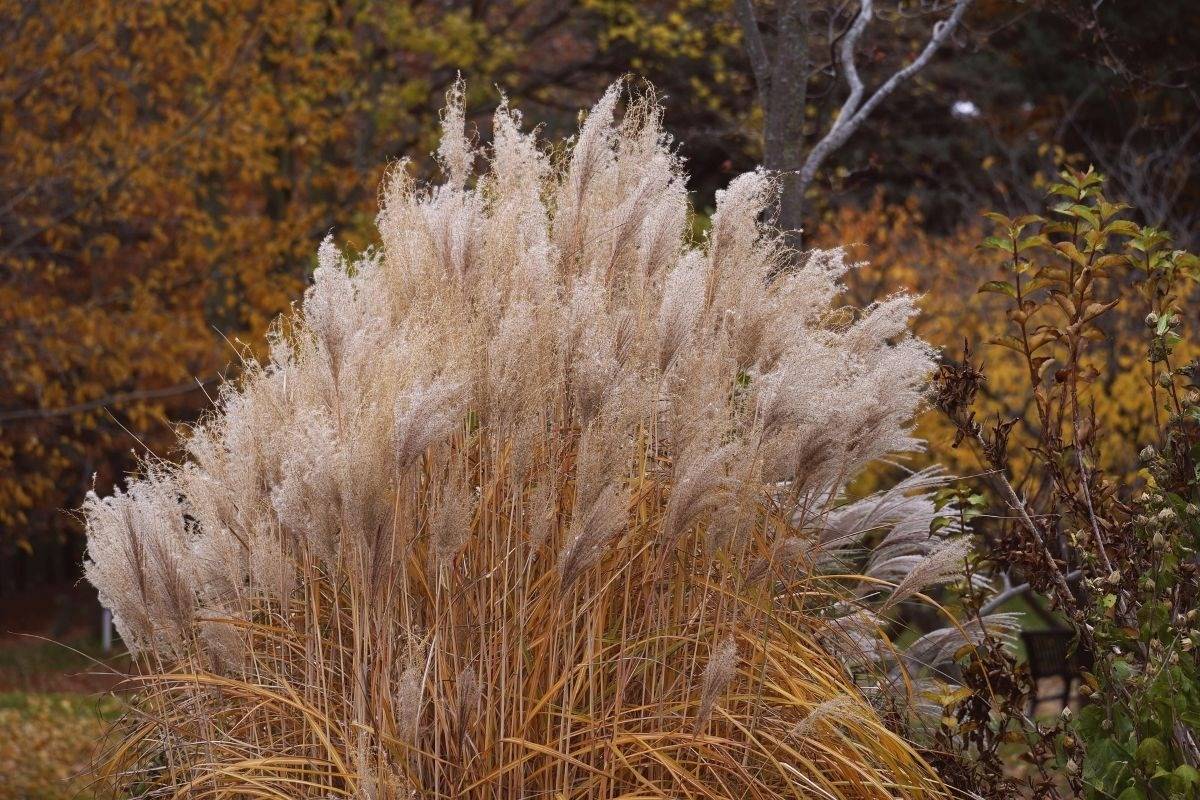
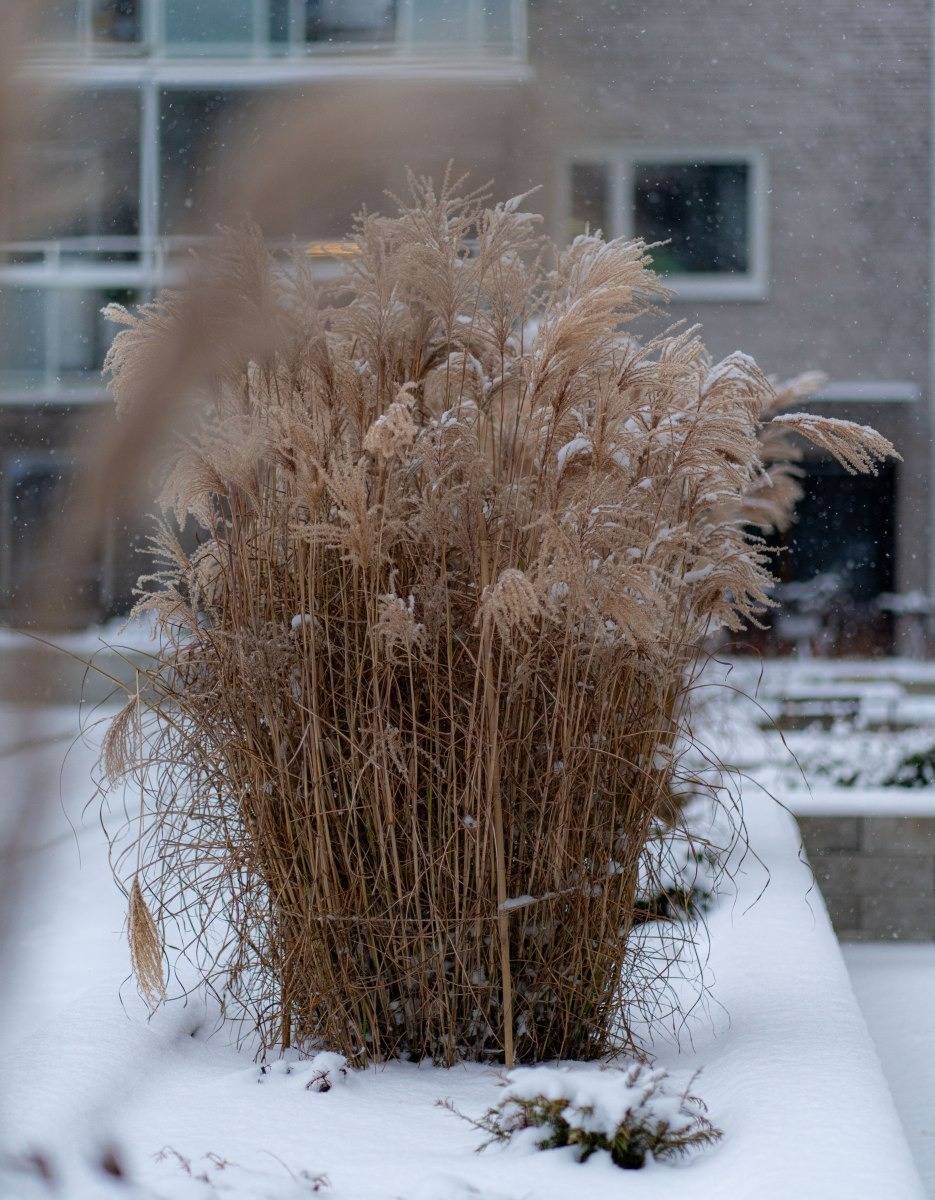
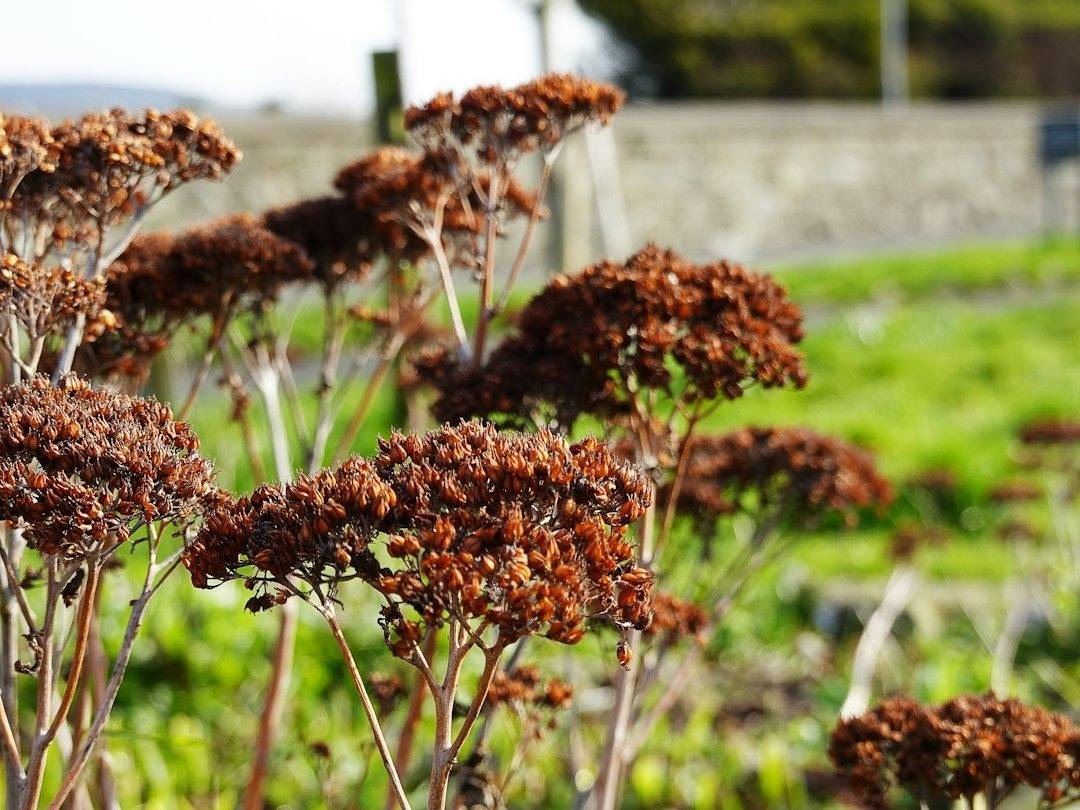
Removing diseased plant material is particularly important because you don't want to leave sources of disease in the garden. But don't assume that everything needs to be cut down and removed. Many perennial stems, seed heads, and ornamental grasses provide winter interest and can offer food or shelter for wildlife. Leaving some of this material standing can also give the garden structure after the leaves have fallen.
In warmer climates, be especially selective about fall cleanup because some plants may still be actively growing.
In colder climates, gradually clean up plants as they finish for the season while leaving plants that contribute attractive winter structure.
- A Simple fall cleanup rule
DON'T: Prune Everything Just Because It Looks Untidy
A garden doesn't have to be perfectly manicured throughout the winter. Dried flowers, seed heads, ornamental grasses, berries, and interesting branches can add texture and structure to the landscape after most flowers have disappeared (as well as providing food and habitat for wildlife).
Instead of asking, "What can I cut down?" ask: "What will make this garden interesting over the next few months?" That change in perspective can make a significant difference to the appearance of a winter garden.
DO: Leave Something for Wildlife
A garden doesn't stop being useful when summer ends.
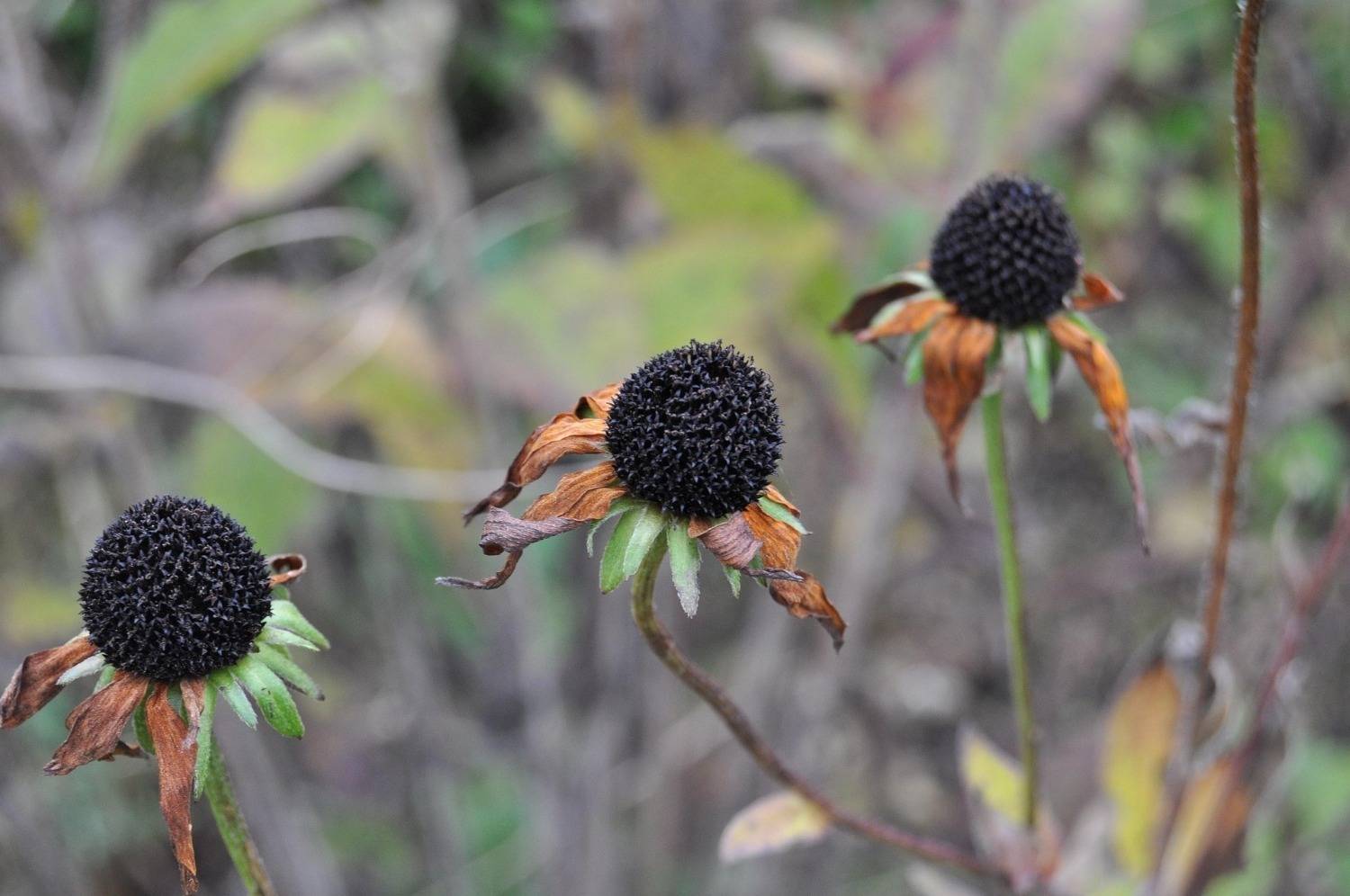
Seed heads can provide food for birds, while shrubs and trees offer shelter. Leaving some natural plant material in place can create habitat while also providing winter interest.
If appropriate for your garden, you can also incorporate bird feeders, birdhouses, water sources, or wildlife-friendly plants.
A garden that supports wildlife doesn't have to look messy. Thoughtfully leaving certain plants standing can add both ecological value and visual interest.
DON'T: Prune Woody Plants in Colder Zones
Fall pruning is one of the areas where gardeners in different climates need to be particularly careful.
In colder climates, avoid routine pruning of most woody plants in the fall. Pruning can stimulate new growth. If that growth appears too close to winter, it may not have enough time to mature and harden off before frost and freezing temperatures arrive. Tender new growth can then be damaged by cold weather.
For plants that should be pruned to control growth or shape them, that work should generally have been completed by late summer, giving any new growth sufficient time to mature before freezing temperatures arrive.
This doesn't mean you should never touch a woody plant in fall. Removing dead, diseased, or damaged branches can still be appropriate, depending on the plant and circumstances. Always check the pruning requirements for the particular tree or shrub.
What about warm climates?
In frost-free climates, the concern about new growth being damaged by an approaching freeze is much less relevant. However, that doesn't mean every plant should automatically be pruned in fall. The appropriate pruning time depends on the species, flowering cycle, and growing conditions.
The important distinction is that fall pruning advice for a freezing climate should not automatically be applied to a frost-free garden.
DO: Inspect Trees and Shrubs
Fall is a good time to walk around the garden and look closely at deciduous trees and shrubs both before and after the leaves have fallen.
Check for:
- Dead branches
- Broken branches
- Signs of disease or dieback
- Storm damage
- Crossing or rubbing branches
- Potentially hazardous limbs
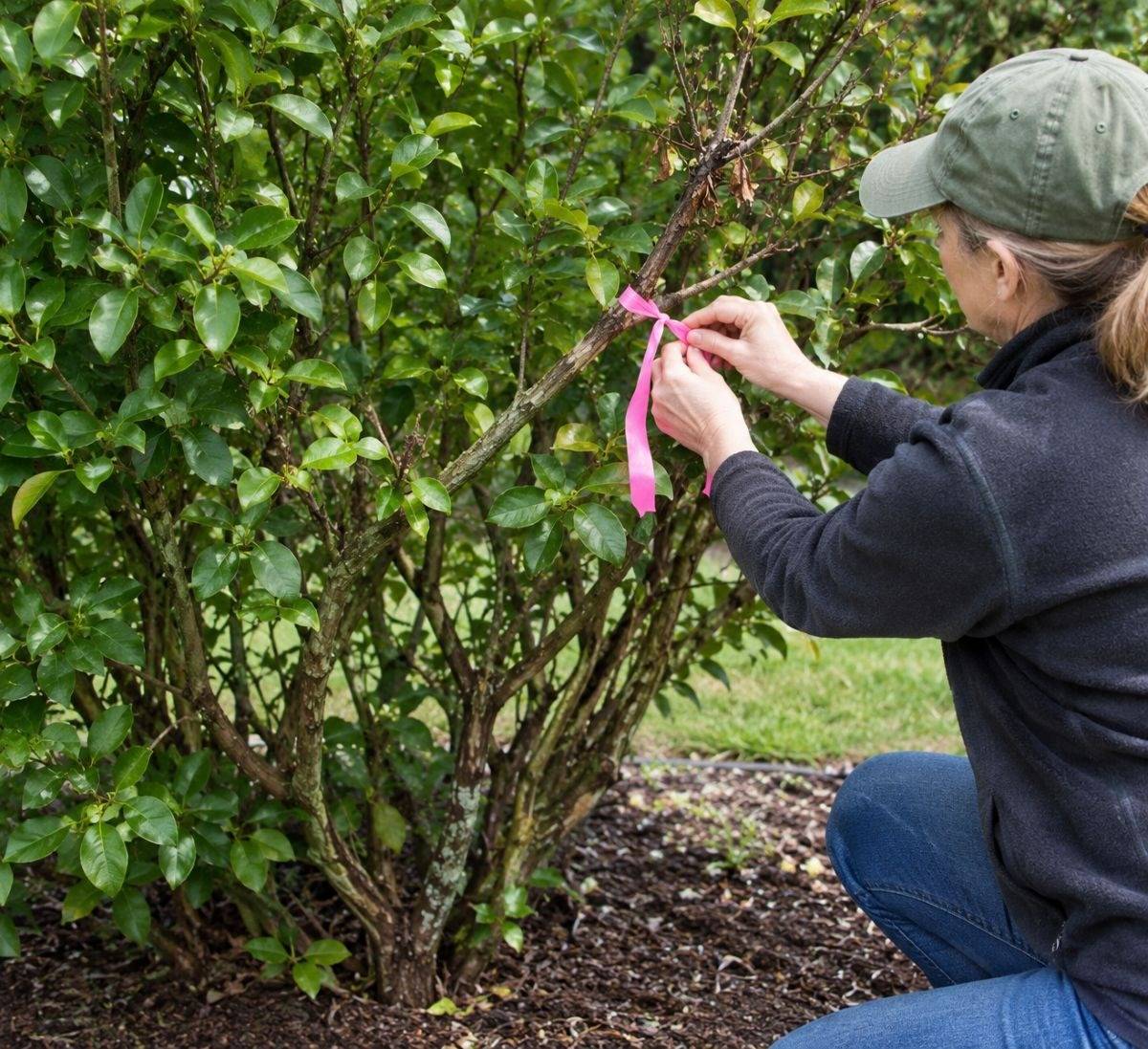
However, an inspection doesn't necessarily mean a pruning session. Ideally, wait until mid to late winter to carry out shaping cuts, marking branches with flagging tape for easy identification later.
DO: Mulch—But Do It Right
- In climates where the ground freezes
If your garden experiences freezing temperatures, wait until after the ground has frozen before applying winter mulch.
Applying mulch too early can keep the soil warmer and interfere with the natural transition into dormancy. In areas with freeze-and-thaw cycles, premature mulching can also contribute to frost heave, where plants or their root systems are pushed upward as the soil repeatedly freezes and thaws.
Once the ground has frozen, an appropriate layer of mulch can help moderate soil temperature and protect roots from extreme fluctuations.
- In climates where the ground does not freeze
If your garden is in a frost-free region, you don't have to wait for the ground to freeze. Mulch can be used according to the needs of your plants and soil throughout the growing season. It can be particularly useful for conserving moisture and keeping soil temperatures more consistent during periods of heat or drought.
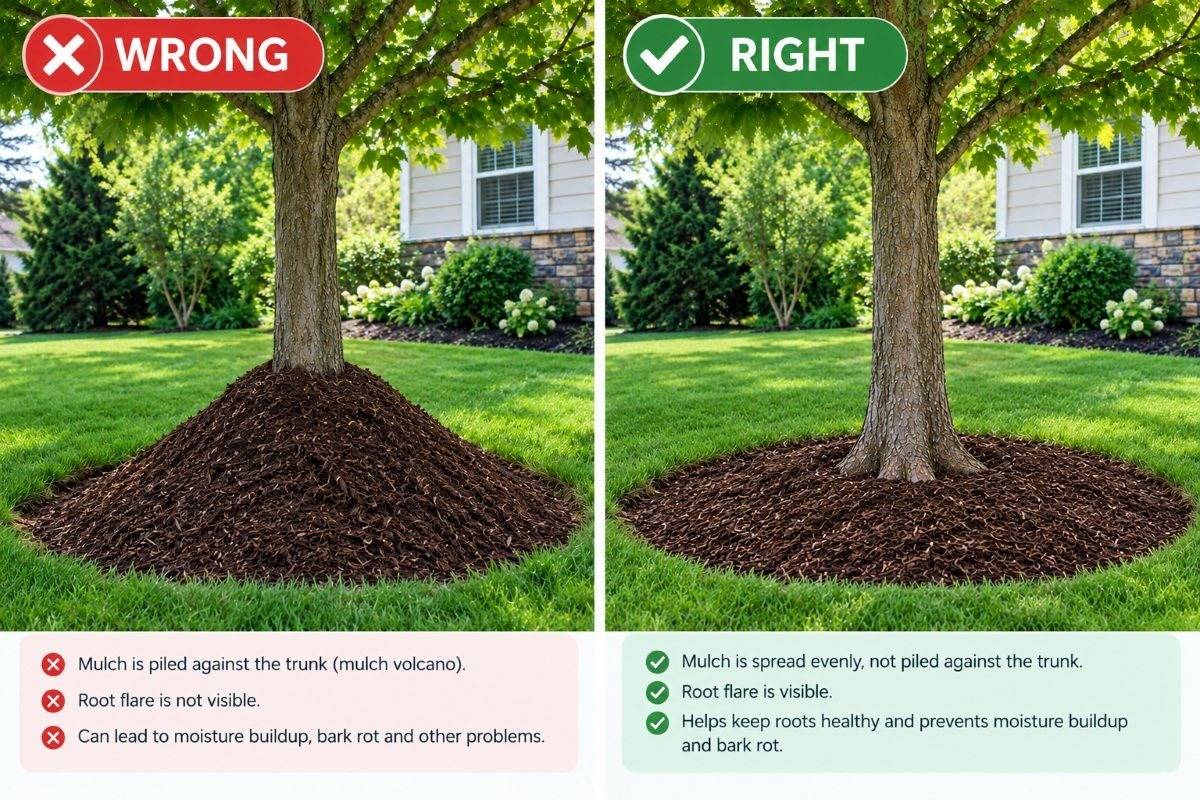
Don't make a "mulch volcano"
No matter where you garden, don't pile mulch against tree trunks or woody stems.
Keep the bark exposed, rather than creating a mound of mulch around the base of a tree or shrub. Excess moisture against bark can create conditions that encourage decay and other problems.
Likewise, don't bury the crowns of perennial plants under mulch. Keep mulch around plants rather than directly over the crown—the area where the stems meet the roots.
Think of mulch as a protective layer for the soil, not something that should be piled onto the plant itself.
DO: Prepare New Beds for Spring Planting
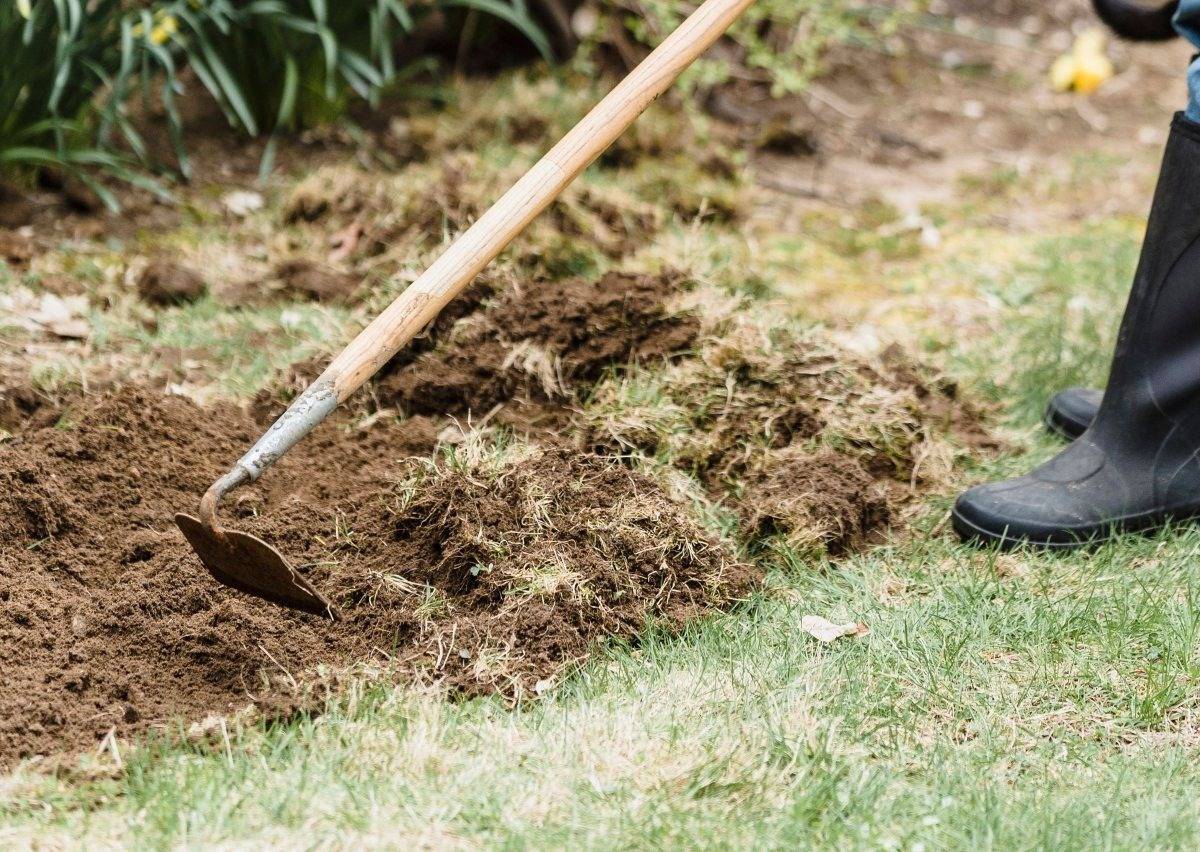
Fall can be an excellent time to prepare new garden beds for planting the following spring. Working on the bed before winter gives you a chance to remove unwanted vegetation, improve the soil, and plan the layout without trying to complete everything during the spring rush.
Start by choosing the location and deciding what you want to grow. Consider sunlight, drainage, access to water, and the mature size of the plants you plan to add.
When preparing a new bed:
Remove persistent weeds and unwanted vegetation.
Test the soil if you need information about its pH or nutrient levels.
Add organic matter if needed based on the condition of your soil.
Don't work when the soil is wet to avoid compaction
Define the shape and edges of the bed.
Remove rocks, roots, and other debris that interfere with planting.
Plan pathways and allow enough room for plants to reach their mature size.
This is also the perfect time to begin transforming an existing lawn into a new garden bed. Fall preparation gives the former lawn several months to break down and gives the gardener a head start, making spring planting less rushed.
Once the area is marked, remove the existing lawn. For a small bed, you can cut and remove the sod with a spade or sod cutter. Remove enough of the grass and roots to create a clean planting area. Don't simply turn existing turf upside down and assume the lawn is gone. Grass roots and rhizomes can survive and grow back, particularly along the edges of the new bed.
If you want to create the bed without removing the sod, mow the grass as short as practical, then cover the area with a thick layer of coarse wood chips. The chips block light and can suppress the existing lawn while the grass and roots gradually break down beneath them. Wood chips work best as a surface layer rather than something mixed into the soil. Fresh wood material incorporated into the soil can temporarily compete with plants for available nitrogen as it decomposes.
Older recommendations suggesting adding a layer of cardboard or several layers of newspaper under the wood chips. This does work, however, there several legitimate concerns:
- The materials may compact when wet and cause water runoff or anaerobic conditions
- If the materials completely dry out they may no longer be able to asborb water at all
- Glossy paper or shiny cardboard likely contains plastic or wax that will not degrade properly
- Some cardboard may trace amounts of forever chemicals or pesticides, so should be avoided especially for organic gardens
- This may provide habitat for rodents and termites
When preparing a new bed from a lawn area:
- Mow the existing lawn short before covering it.
- Remove persistent weeds that are likely to grow through the mulch.
- Use coarse wood chips rather than fine sawdust-like material.
- Apply a substantial, even layer of chips over the former lawn.
- Define the bed edges clearly so grass does not easily spread back into the planting area.
- Test the soil if you need information about its pH or nutrient levels.
If you plan to plant the following spring, give the bed time to settle and the underlying turf time to break down. You may need to pull back the wood chips and create openings down to the soil when planting.
In colder climates, fall preparation gives the bed several months to work through winter before spring planting. In warmer climates, grass may remain active longer, so additional weed suppression or preparation may be necessary.
Don't assume that a single layer of mulch will permanently eliminate every grass or weed. Persistent perennial grasses can sometimes grow through mulch or spread in from the edges, so monitor the new bed and remove unwanted growth as it appears.
Wood chips will gradually decompose and become part of the organic matter in the bed. As they break down, replenish the surface layer as needed.
A new garden bed doesn't have to be perfectly finished before winter. The goal is to suppress the lawn, protect the soil, and create a good starting point for spring planting.
DO: Sow Seeds in Fall
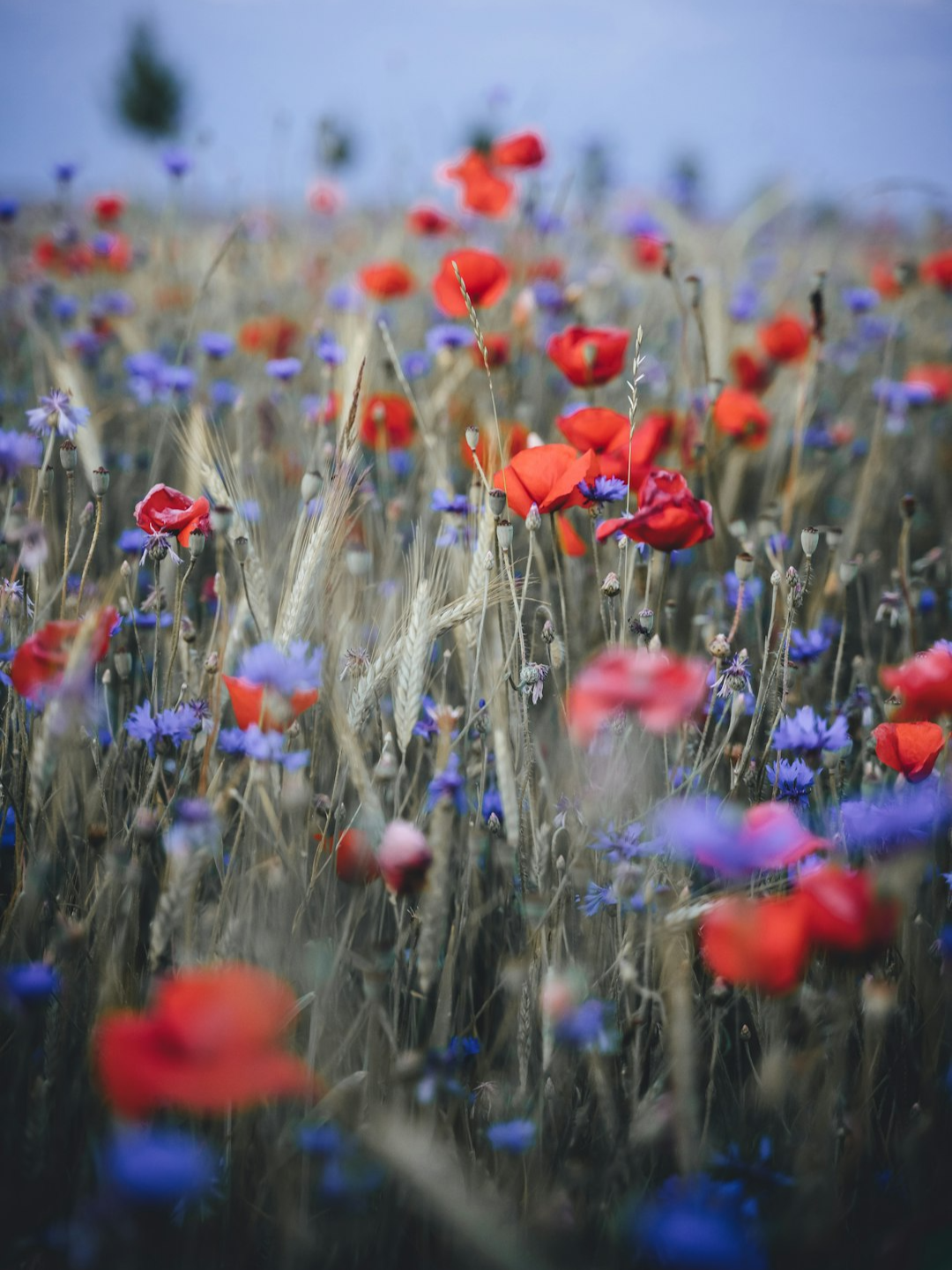
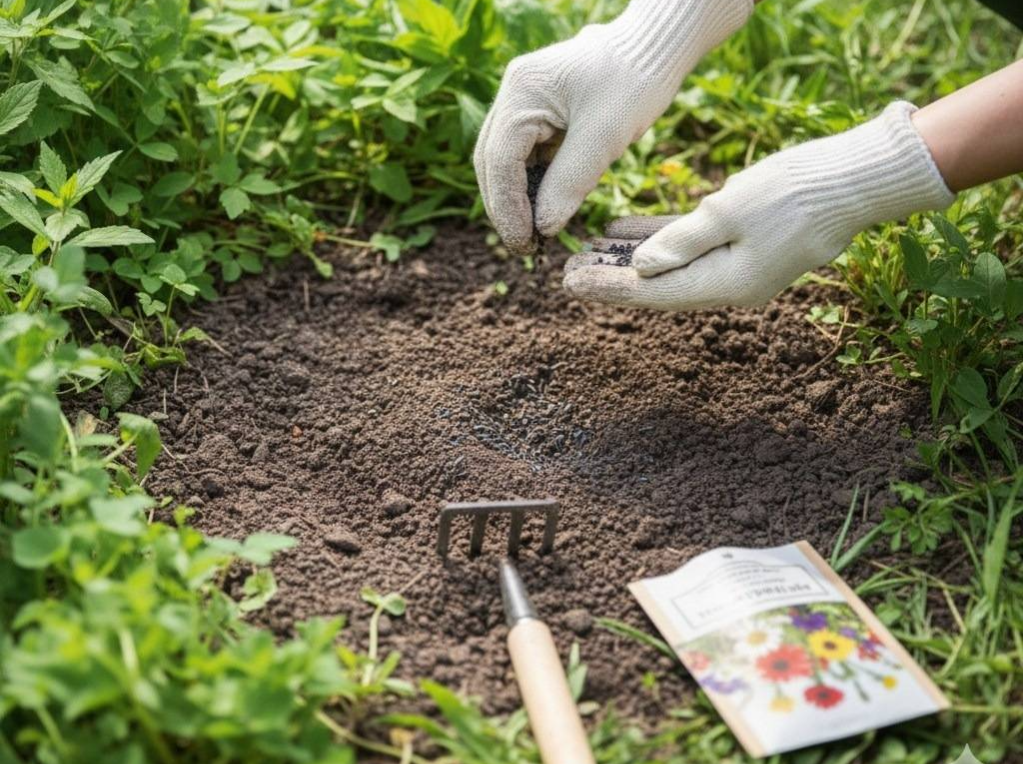
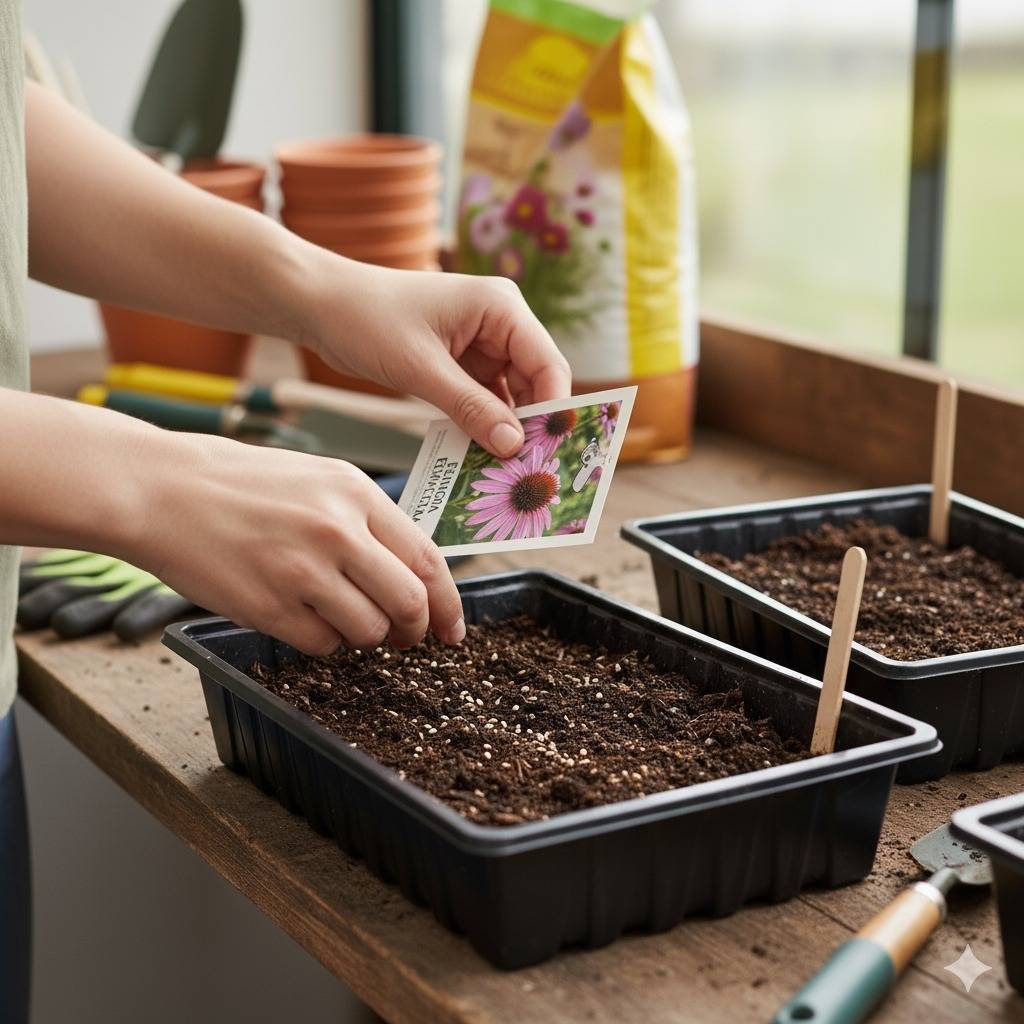
Fall can also be a good time to sow certain seeds directly in the garden. Some seeds benefit from exposure to cold, moist winter conditions and will germinate when conditions become favorable in spring.
Possible candidates include:
- Some native wildflowers and hardy perennial flowers
- Poppies and other plants that benefit from natural cold conditions
- Hardy annuals suited to cool weather
- Certain cool-season vegetables in mild climates
- In warmer climates, fall sowing can also be useful for cool-season crops and ornamentals.
Check the seed packet before sowing. Not every seed should be planted in fall, and some require specific temperatures, moisture, light, or cold-stratification conditions.
In colder climates, some fall-sown seeds will remain dormant through winter rather than germinating immediately.
For direct sowing:
- Prepare a weed-free seedbed.
- Sow at the depth recommended for the particular seed.
- Mark the planting area so you know what was planted.
- Avoid disturbing the bed after sowing.
- Protect the area from excessive runoff or erosion.
Fall seed sowing is best treated as a plant-specific technique, rather than a rule that all seeds benefit from being planted before winter.
DO: Divide Established Perennials
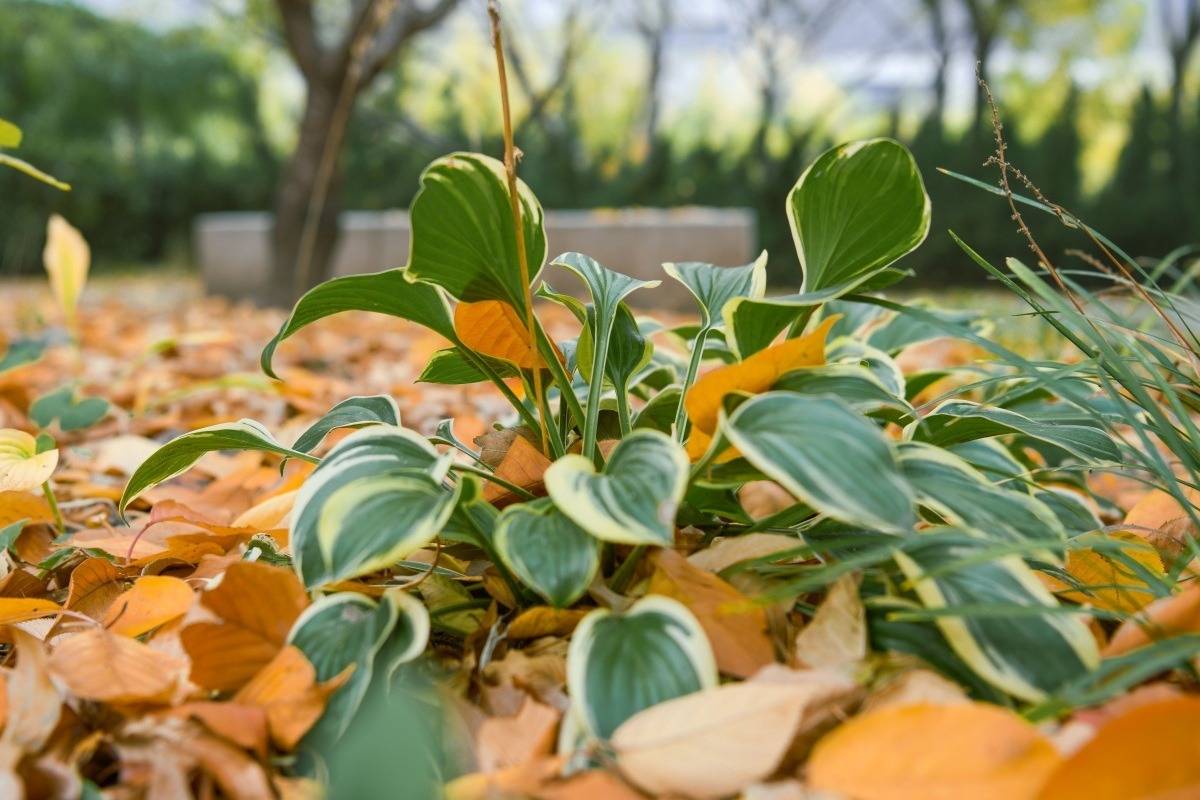
Fall is also a good time to divide many established perennials, particularly plants that have become crowded or outgrown their space. Dividing can provide new plants for other parts of the garden while helping rejuvenate crowded clumps and improve flowering.
Not every perennial should be divided in fall. Some are better divided in spring, and plants that are still actively flowering may benefit from waiting.
For fall division:
- Choose a cool period after the plant has finished flowering.
- Lift the plant carefully, keeping as much of the root system as practical.
- Separate healthy sections with a sharp, clean tool when necessary.
- Replant the divisions at the appropriate depth.
- Water thoroughly while the new divisions establish.
In colder climates, divide early enough for the new plants to establish roots before the ground freezes. In milder climates, the appropriate timing may extend later into the season.
DO: Plant Perennials in Fall
Fall can be an excellent time to plant many hardy perennials. In colder climates, planting early enough in fall gives roots time to establish while the soil is still relatively warm. In warmer or frost-free climates, fall can be an active planting season because cooler temperatures may make conditions more favorable for establishment.
Don't assume every perennial should be planted in fall. Some are better planted in spring, so check the requirements of the particular plant.
When planting perennials in fall:
- Plant early enough for roots to establish before the ground freezes -- ideally 4-6 weeks before the first hard frost.
- Water thoroughly after planting and continue watering as needed.
- Keep mulch around the plant rather than piled over the crown.
DO: Plant Trees and Shrubs in Fall
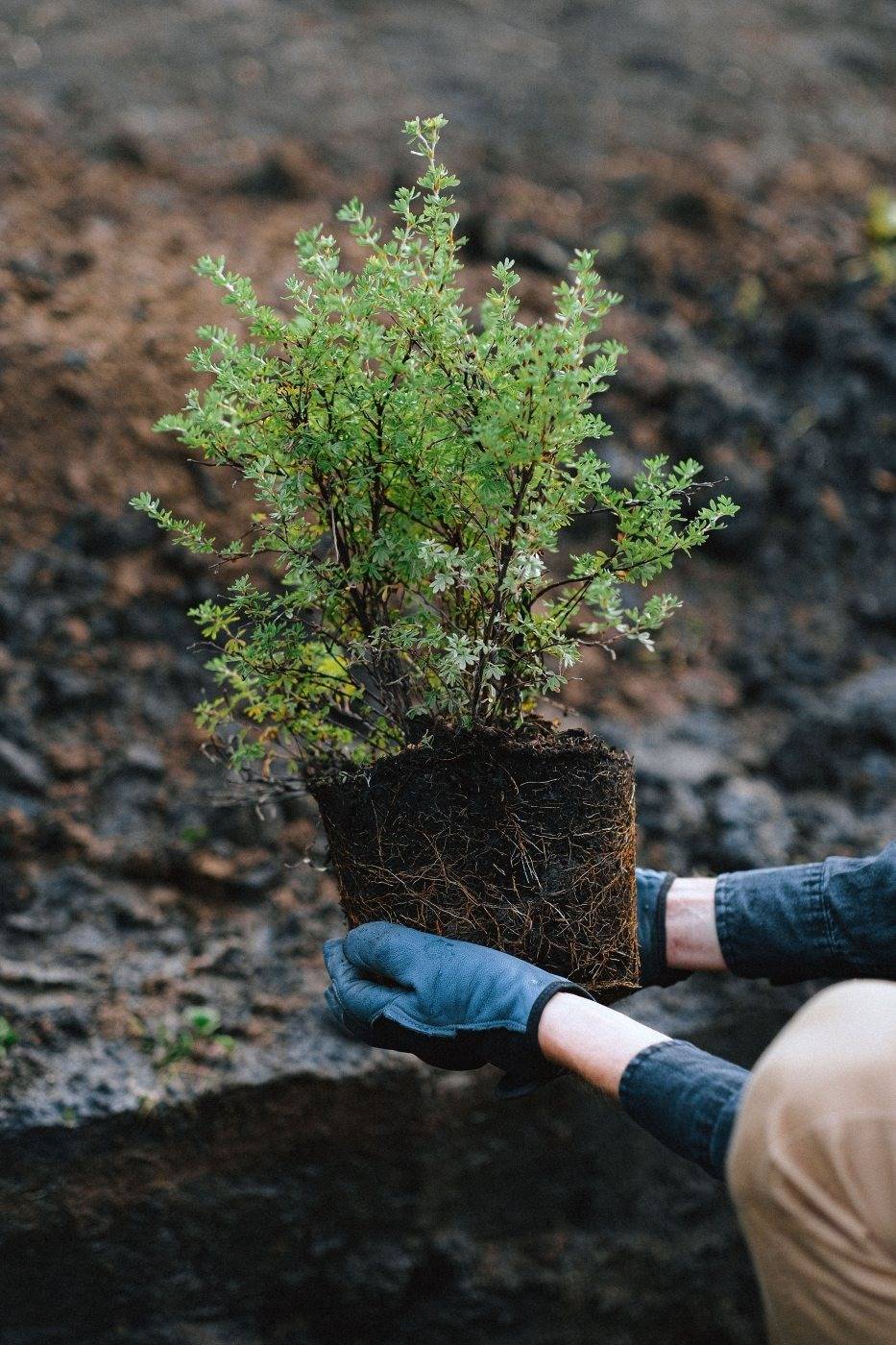
Fall can also be a good time to plant trees and shrubs, particularly in regions with cold winters. Cooler air temperatures can reduce stress on newly planted woody plants while the soil may remain warm enough for root growth.
The most important consideration is timing. In colder climates, plant early enough that roots have time to establish before the ground freezes. Technically, if the ground is not frozen and you can dig, you can plant--but planting later than 4 weeks before a hard freeze increases the likelihood of cold damage and frost heave.
In warmer climates, the planting window may extend later into the season, but species-specific requirements still matter.
When planting trees and shrubs in fall:
- Set trees at the proper depth, with the root flare exposed.
- Water thoroughly after planting and monitor soil moisture.
- Mulch over the root zone, but keep mulch away from trunks and stems.
- Don't fertilize at planting, with the exception of root stimulators and mycorrhizal products. The aim is to reduce transplant shock and enhance rooting, not to promote new shoot growth that may suffer cold damage.
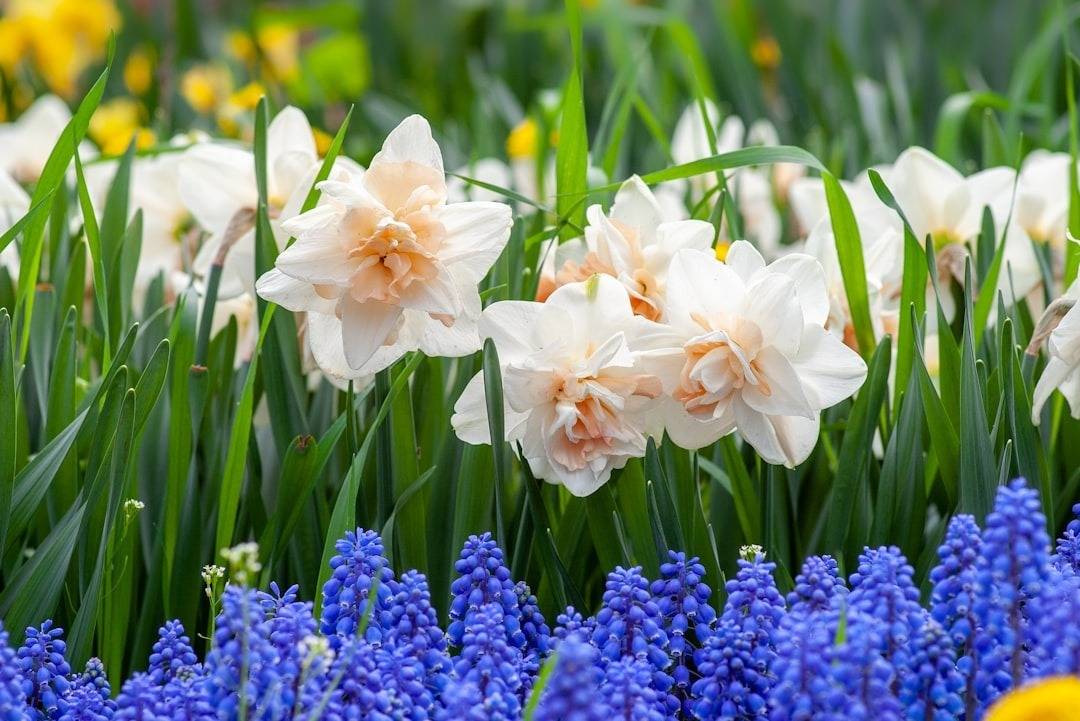
DO: Plant Spring-Blooming Bulbs at the Right Time
Fall is traditionally the time to plant many spring-flowering bulbs, including tulips, daffodils, crocuses, and hyacinths. But, once again, climate matters.
In colder regions, fall bulb planting allows bulbs to establish roots before the ground freezes.
In warmer regions where winters are mild, some traditional spring bulbs may not receive the cold period they need to flower properly. Gardeners in these areas may need to choose bulbs suited to their climate or use pre-chilled bulbs.
When planting bulbs, think about the view you'll have next spring. Planting groups of bulbs around paths, beneath trees, near patios, or alongside garden features can create a much more natural-looking display than scattering individual bulbs randomly throughout a bed.
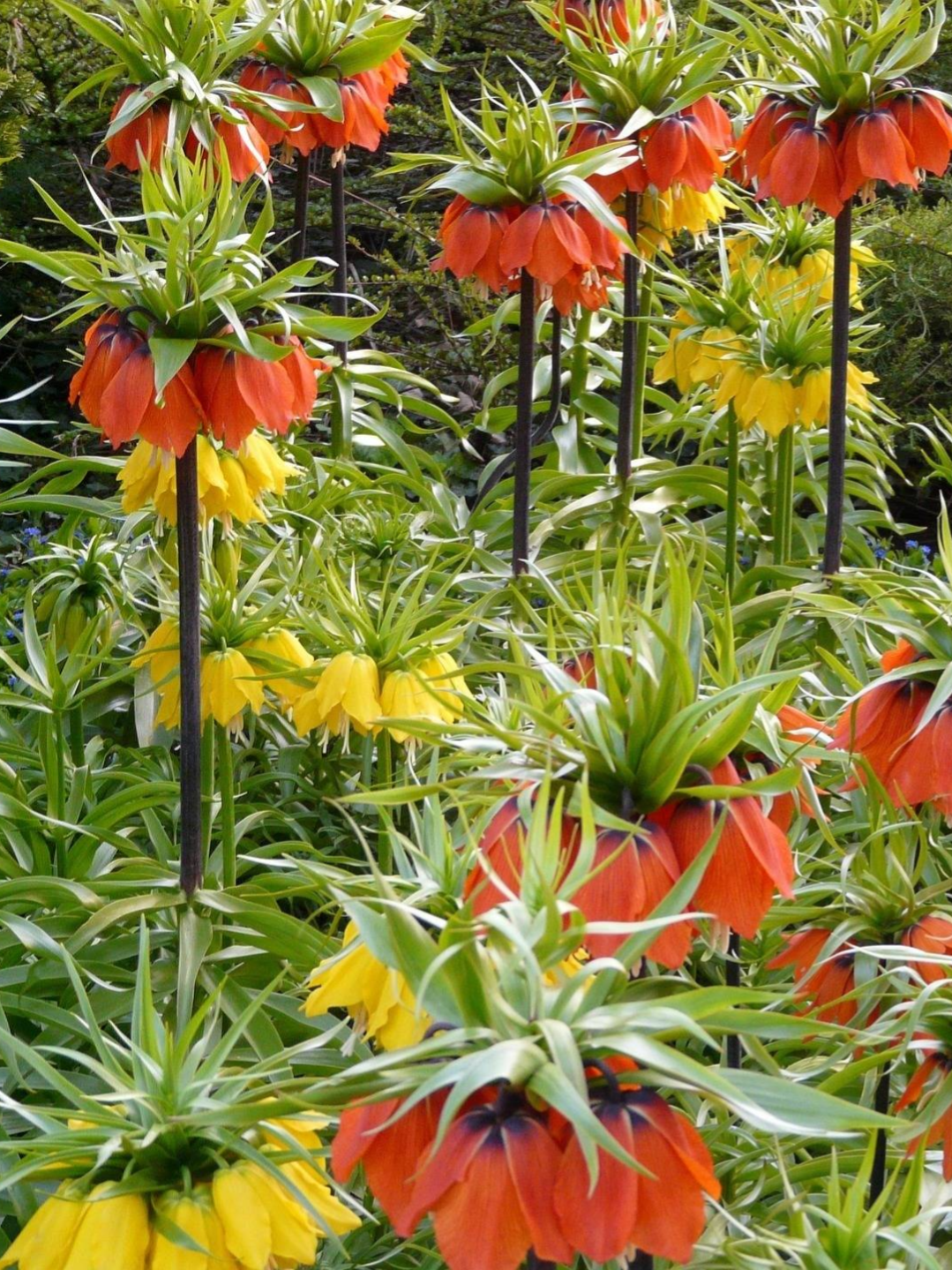
Also be aware that animals may be highly attracted to either the bulbs themselves or the spring shoots and flowers. If deer, squirrels, rabbits and the like are a concern, avoid tulips and crocus, instead focusing on resistant bulbs such as daffodils, hyacinths, allium, and fritillaria.
DO: Plant Cool-Weather Annuals in Beds and Containers
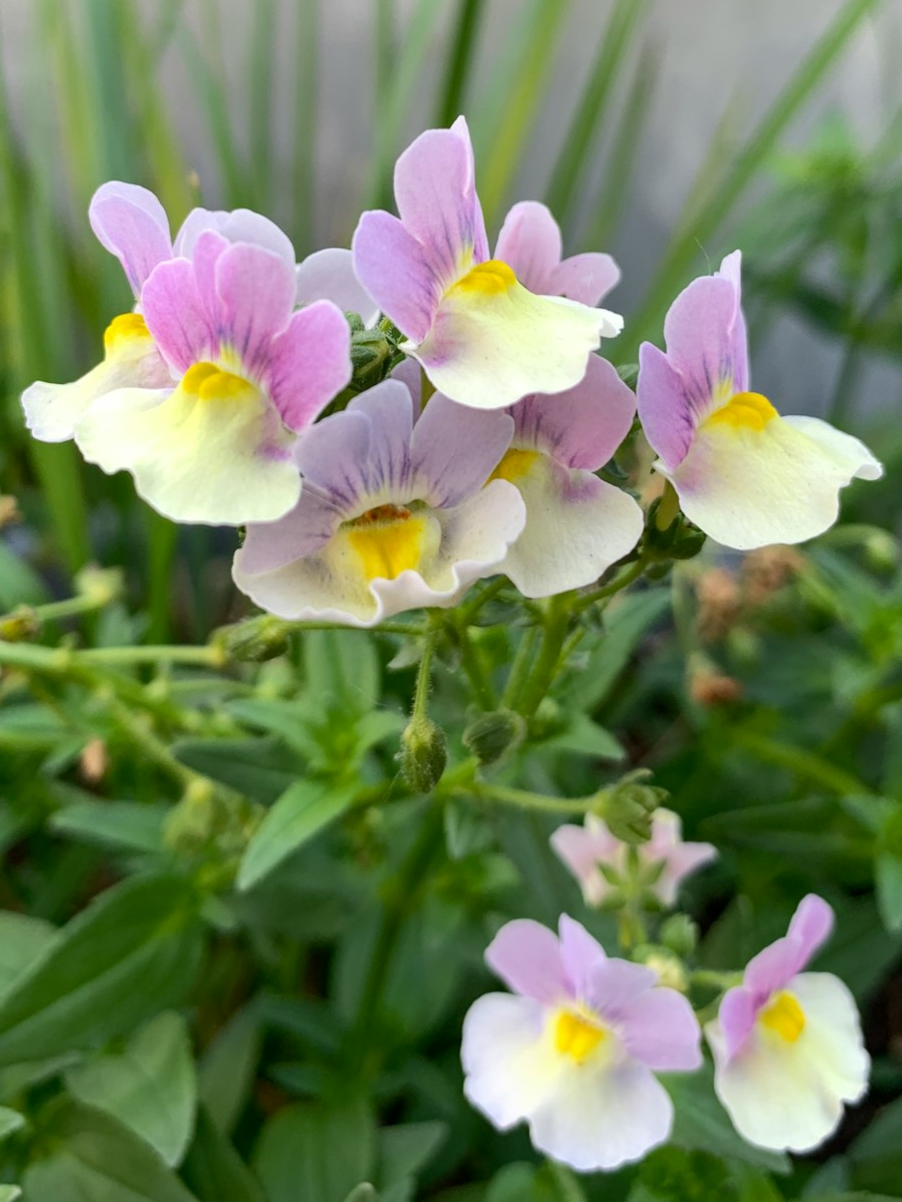
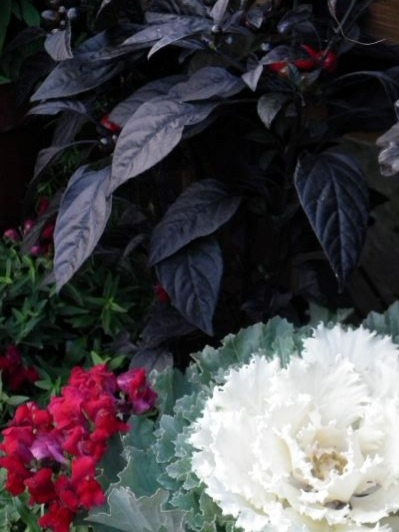
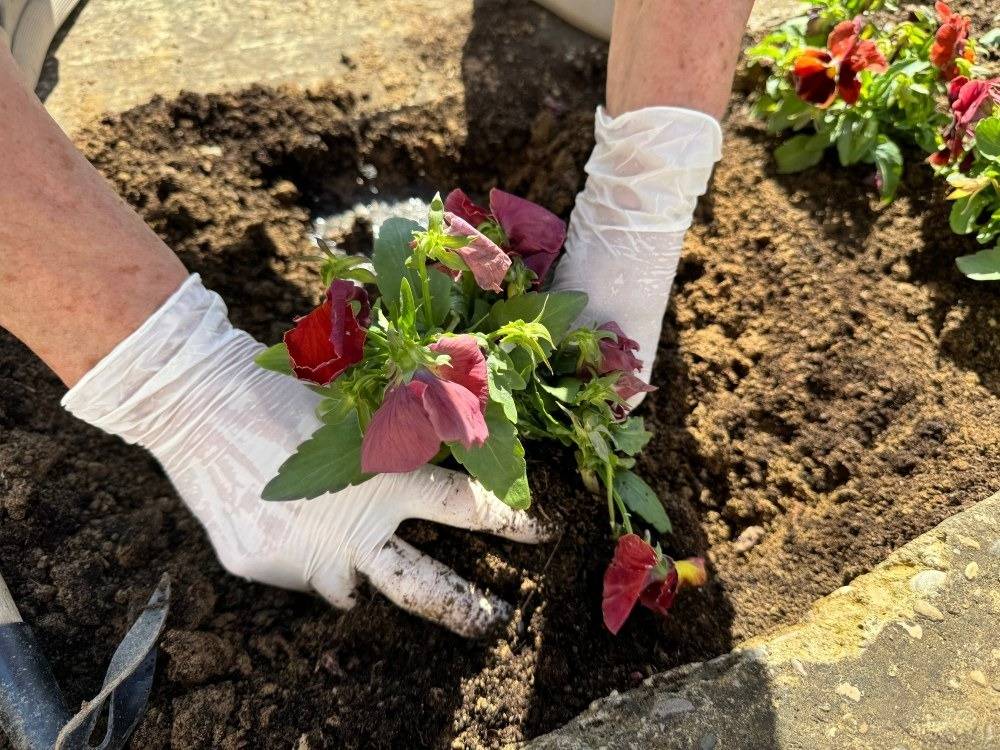
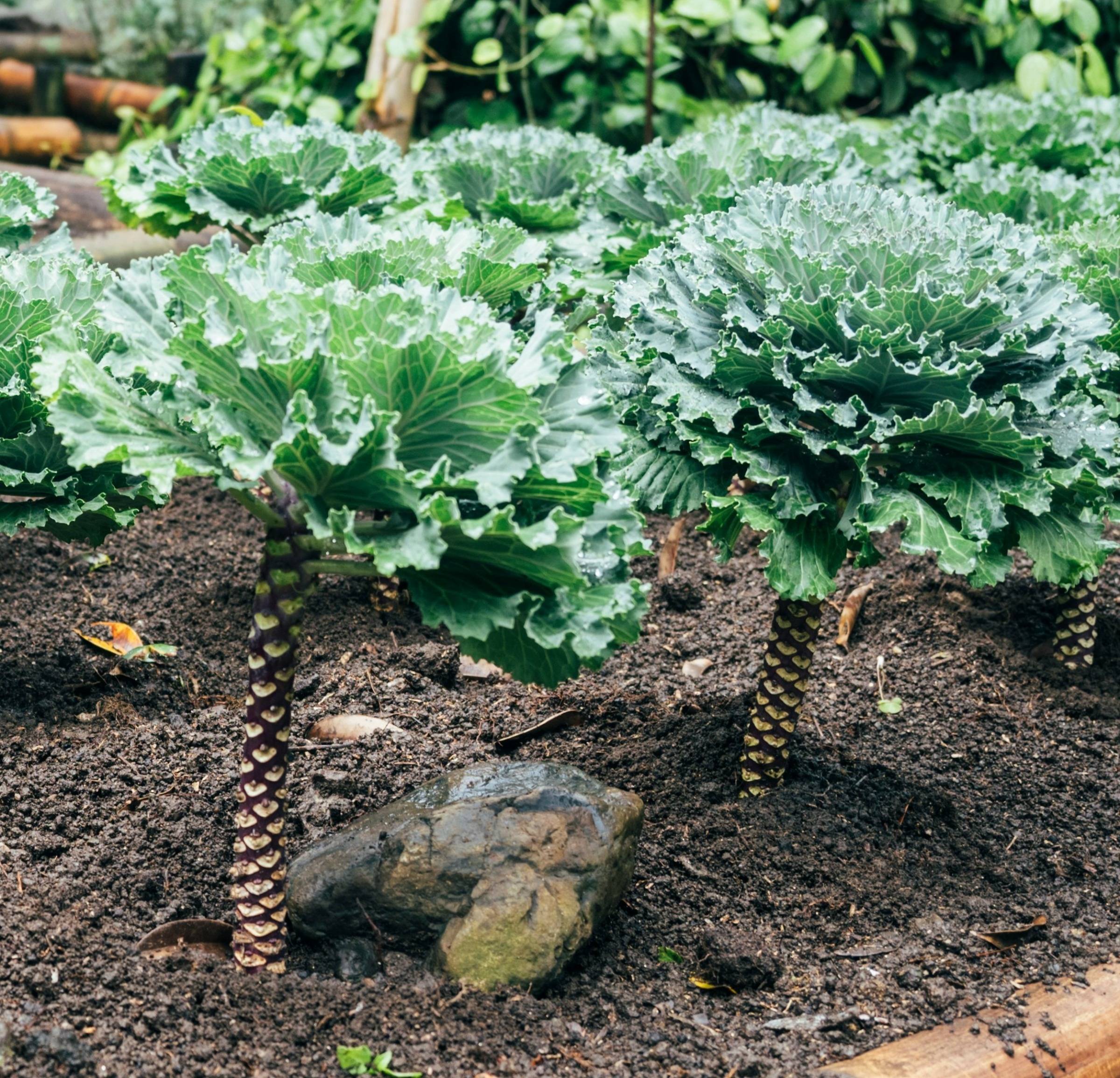
Fall is also an excellent time to add cool-weather annuals to garden beds, window boxes, and containers. Depending on your climate, plants such as pansies, violas, snapdragons, calendula, dianthus, dusty miller, and ornamental kale can provide color well after summer annuals have faded.
For containers, combine plants with different heights, colors, and textures to create an attractive seasonal display. In garden beds, cool-season annuals can fill gaps left by fading summer flowers and provide color along paths, patios, and entryways
In colder climates, plant cool-weather annuals early enough in fall for them to establish before the ground freezes. Some may tolerate light frosts and provide color for several weeks, although their longevity will depend on the plant and the severity of winter.
In milder and frost-free climates, many cool-season annuals can perform for much longer and may continue growing and flowering through winter.
DO: Prepare the Vegetable Garden for Winter
Fall vegetable-garden cleanup looks different depending on your climate and what you're still growing. In colder regions, the goal is often to finish harvesting and protect the soil before winter. In mild climates, fall can be an active growing season, with cool-weather vegetables continuing to produce well into winter.
In colder climates:
- Harvest remaining warm-season vegetables and tender herbs before the first hard freeze.
- Remove spent annual vegetable plants once they stop producing.
- Remove diseased plants and foliage rather than leaving them in the garden.
- Pull weeds before they go to seed.
- Add compost or other organic matter if the soil needs improvement.
- Cover bare soil with mulch or plant a suitable cover crop to protect it through winter.
- Plant fall crops such as garlic, onions, spinach, kale, lettuce, or carrots when the timing is appropriate for your area.
In mild or frost-free climates:
- Continue harvesting vegetables that thrive in cool weather.
- Remove plants that have finished producing while leaving productive crops in place.
- Plant or continue growing cool-season vegetables through fall and winter.
- Use mulch to protect soil and help regulate moisture and temperature.
- Take advantage of the longer growing season to succession-plant leafy greens, root crops, and other cool-weather vegetables.
Don't assume the vegetable garden is finished just because summer is over. In many climates, fall is an important growing season—and in warmer areas, the garden may remain productive throughout winter.
- Clean Up Garden Equipment
Before winter arrives, clean and store garden tools, stakes, cages, trellises, containers, and other equipment. Check irrigation systems and winterize them where necessary, especially in areas where freezing temperatures can damage pipes or fittings.
A little fall cleanup can make spring vegetable gardening easier—and gives you a chance to start the next growing season with a cleaner, better-prepared garden.
DO: Add Seasonal Garden Interest
Fall is a natural time to introduce seasonal elements into an outdoor space.
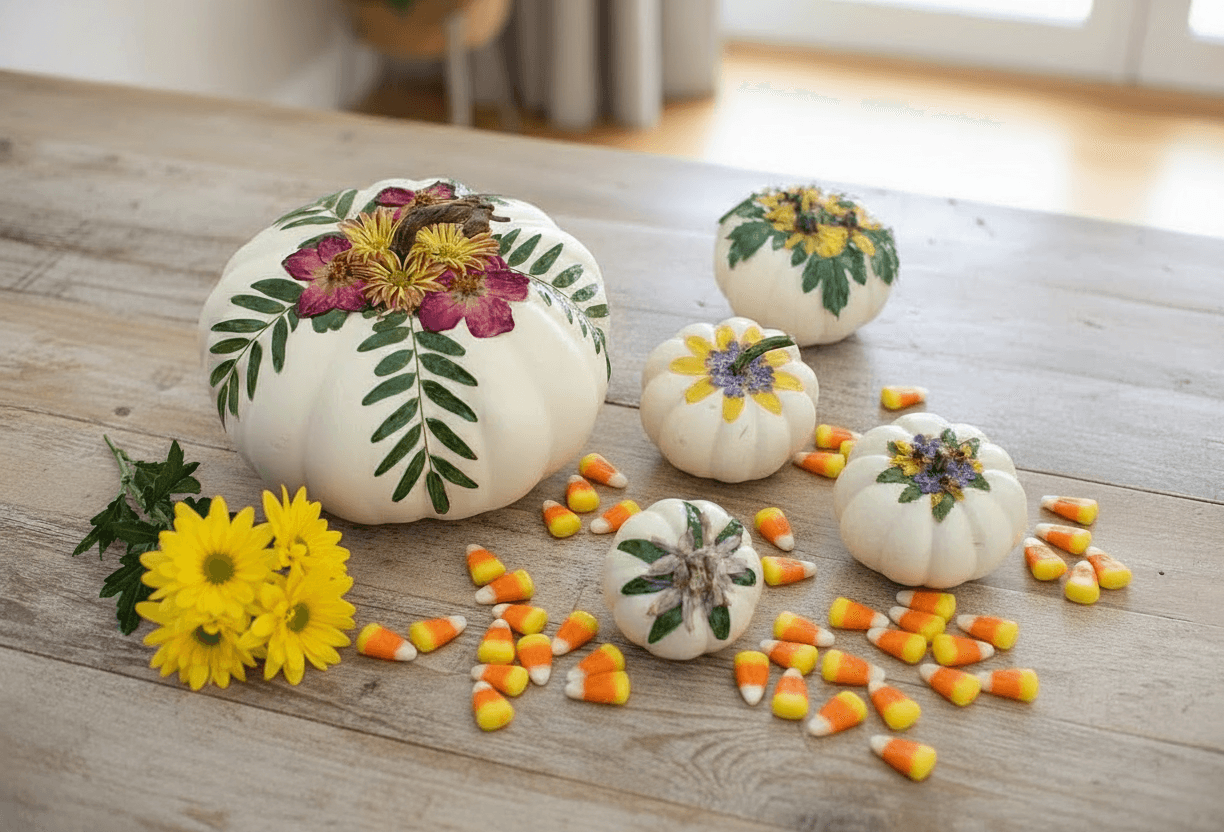
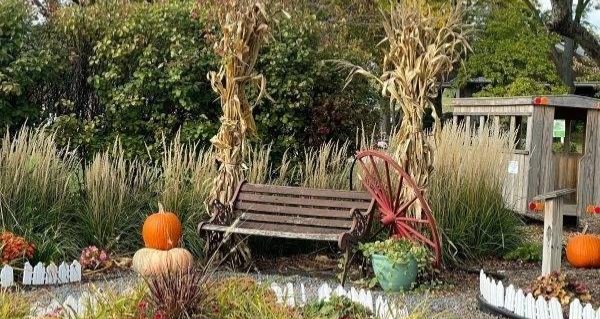
Pumpkins, gourds, hay bales, corn stalks, wreaths, natural branches, lanterns, flags, and other weather-appropriate decorations can complement the colors and textures already present in the garden.
The most successful seasonal displays usually work with the existing landscape rather than competing with it. For example, a few pumpkins beside a container of ornamental grass may be more effective than filling every available space with decorations.
In colder climates, seasonal decor can add color and interest as summer flowers fade. In warmer climates, it can complement plants that are still actively growing.
DON'T: Forget That Outdoor Decor Has Seasonal Needs, Too
Before temperatures drop, inspect your garden decor and determine what can safely remain outside.
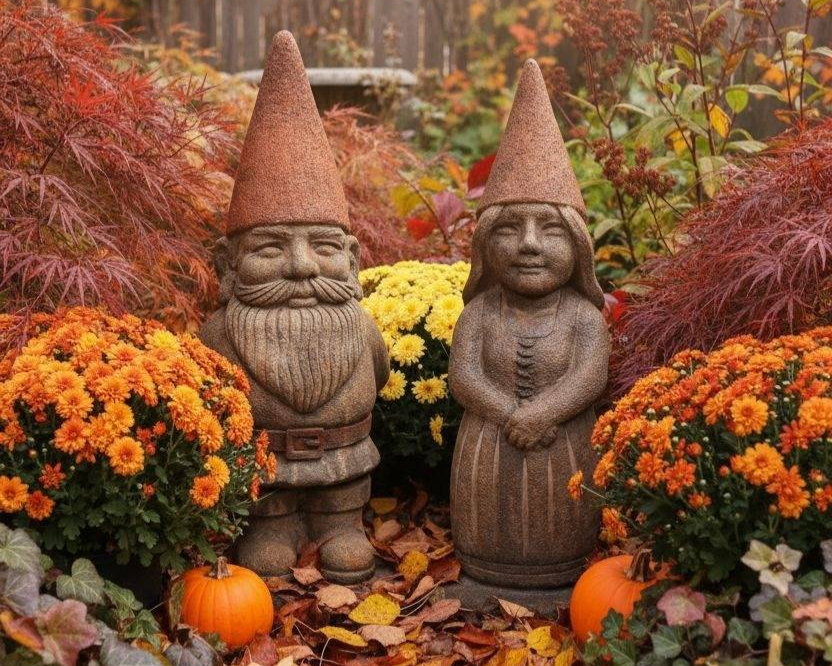
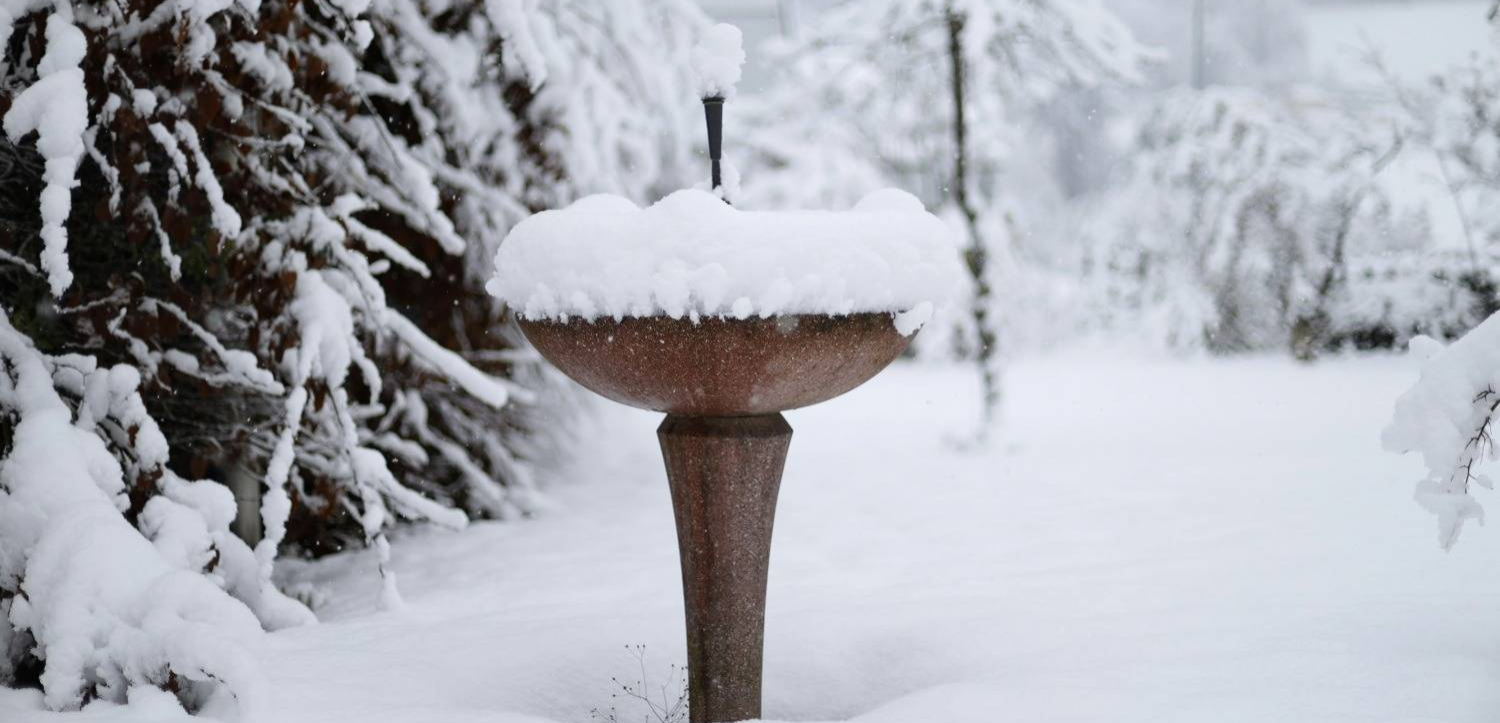
In freezing climates, delicate ceramics, porous materials, fabrics, and other weather-sensitive items may need to be brought indoors or protected from freezing and thawing. Fountains and birdbaths (depending on the material) should be drained and covered or stored.
In milder climates, outdoor pieces may be able to remain in place throughout the season, although they should still be cleaned and checked periodically.
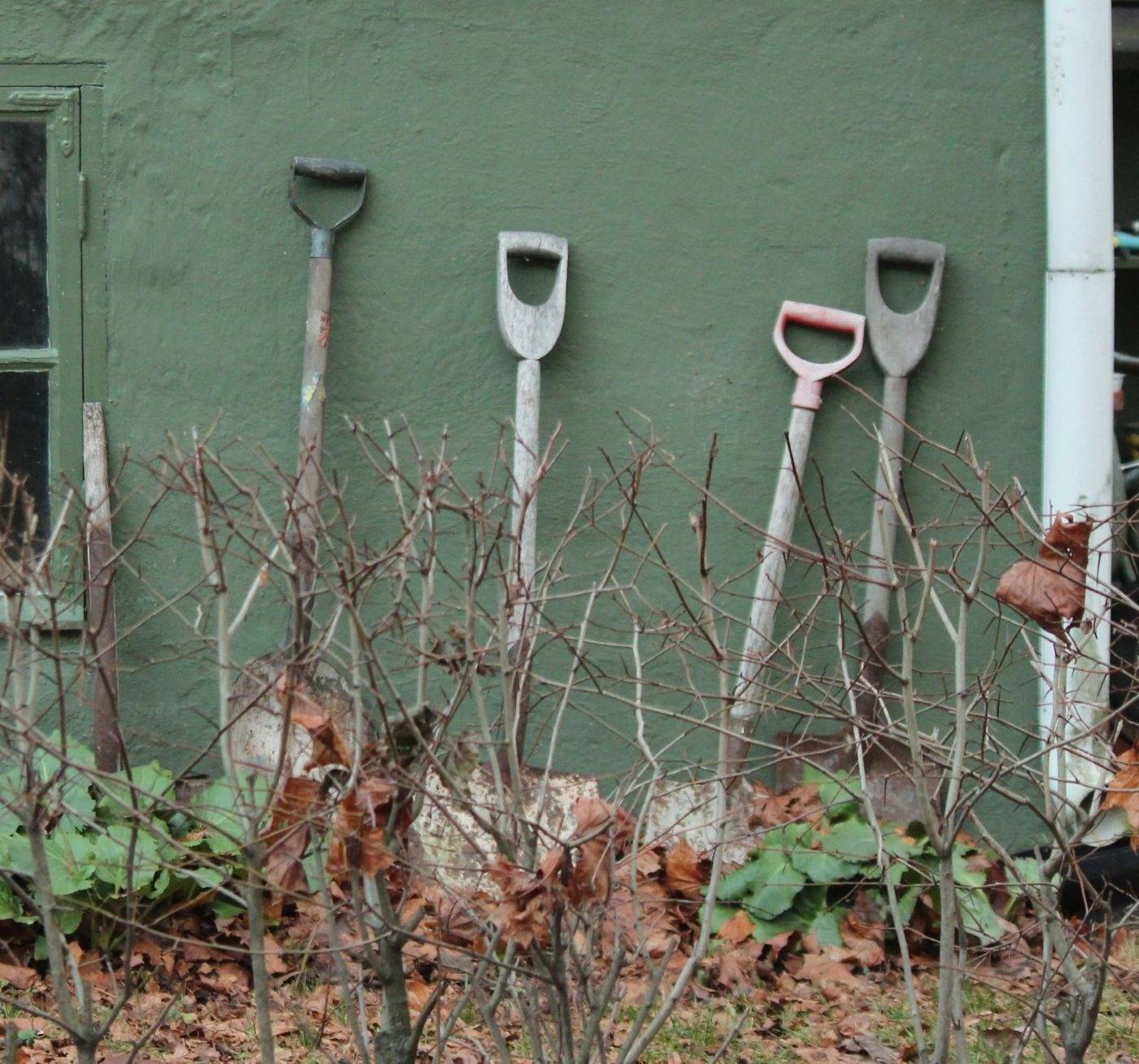
Before storing anything, clean it and inspect it for cracks, rust, rot, or other damage. This is also a good time to clean and oil metal digging and cutting tools to prevent rusting.
Good fall garden maintenance isn't only about plants. Taking care of the things that help make your garden enjoyable can extend their useful life, too.
DO: Prepare Tender Plants for Cold Weather
If you garden somewhere that experiences freezing temperatures, identify plants that are unlikely to survive your winter without protection.
Depending on the plant, preparation might include:
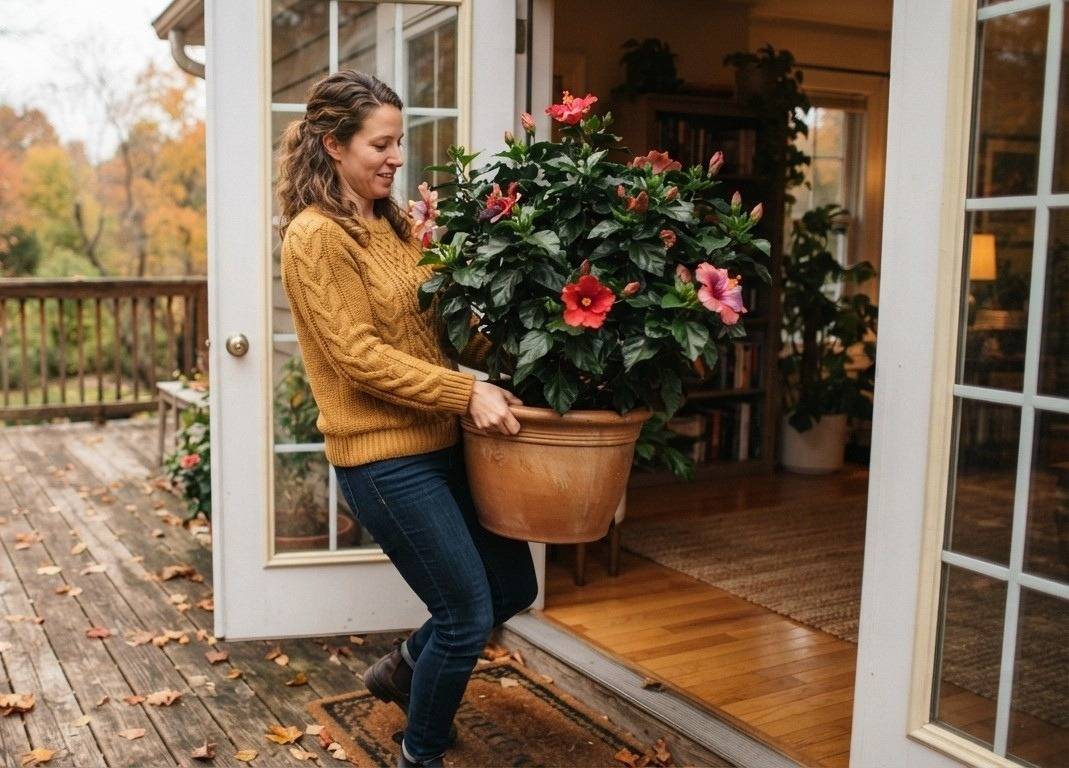
- Moving containers to a protected location
- Bringing tender plants indoors
- Digging and storing tender bulbs
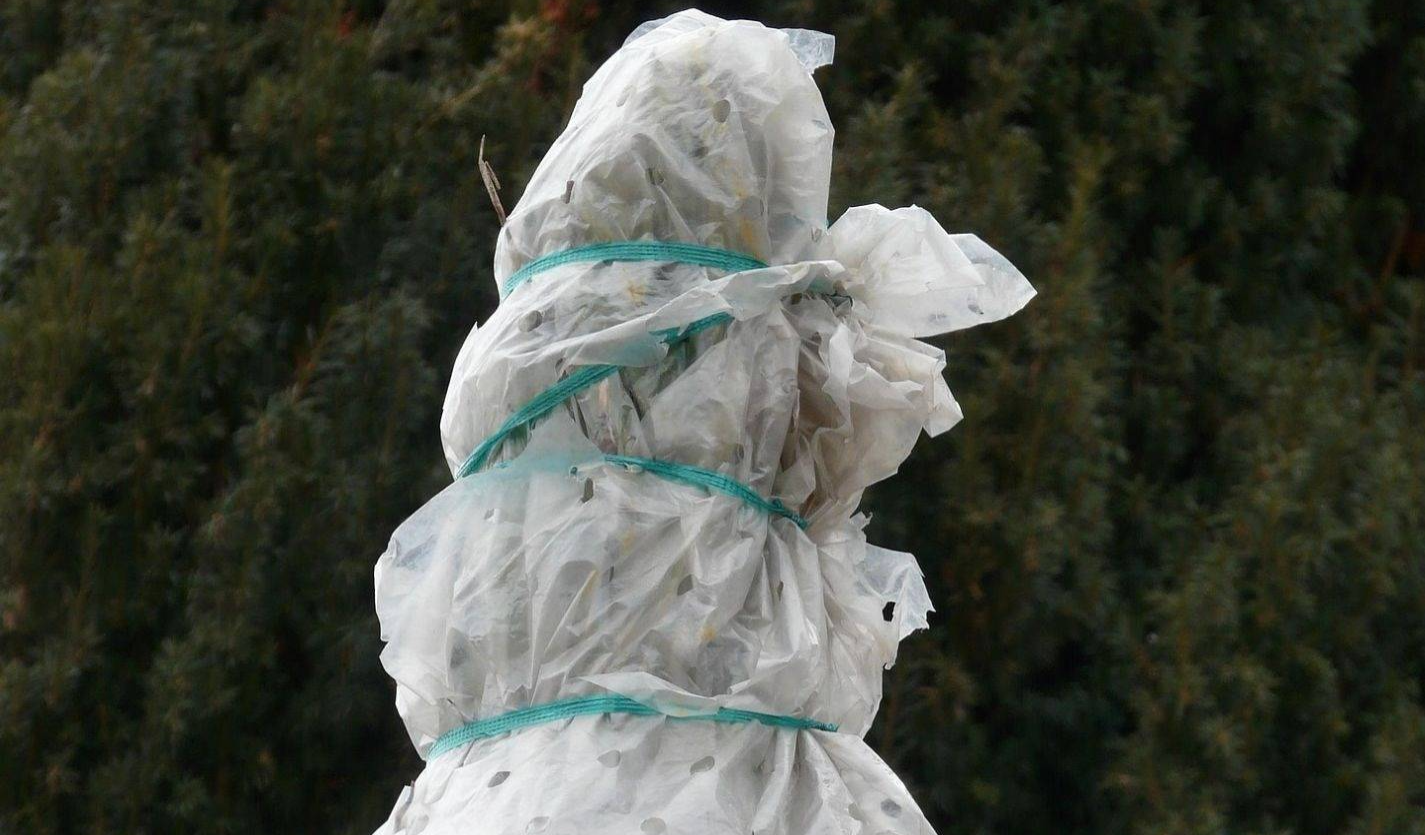
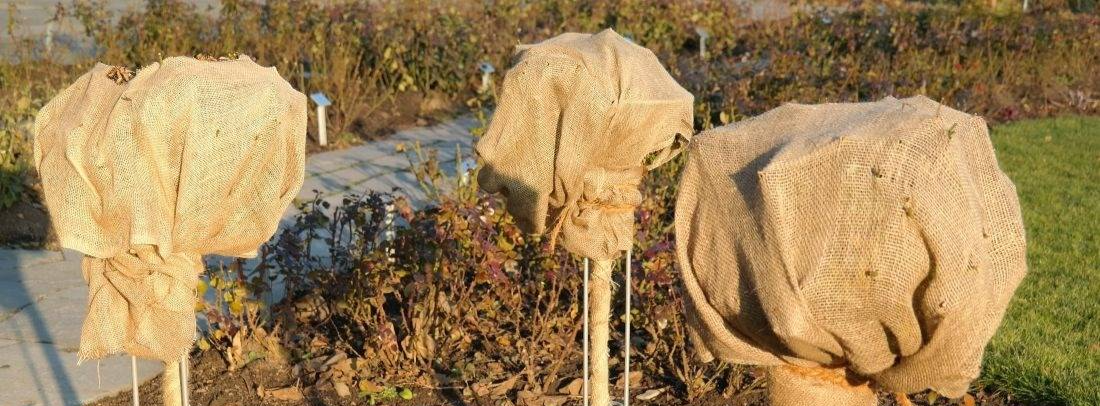
- Protecting particularly sensitive plants with frost blankets or burlap
- Applying winter mulch at the appropriate time
- Adjusting watering as plants enter dormancy
Don't wait until temperatures have already dropped below freezing to figure out which plants need protection.
In frost-free climates, this particular preparation may not be necessary. Instead, gardeners can focus on seasonal changes in rainfall, humidity, heat, and plant growth.
DON'T: Repot Houseplants, Unless...
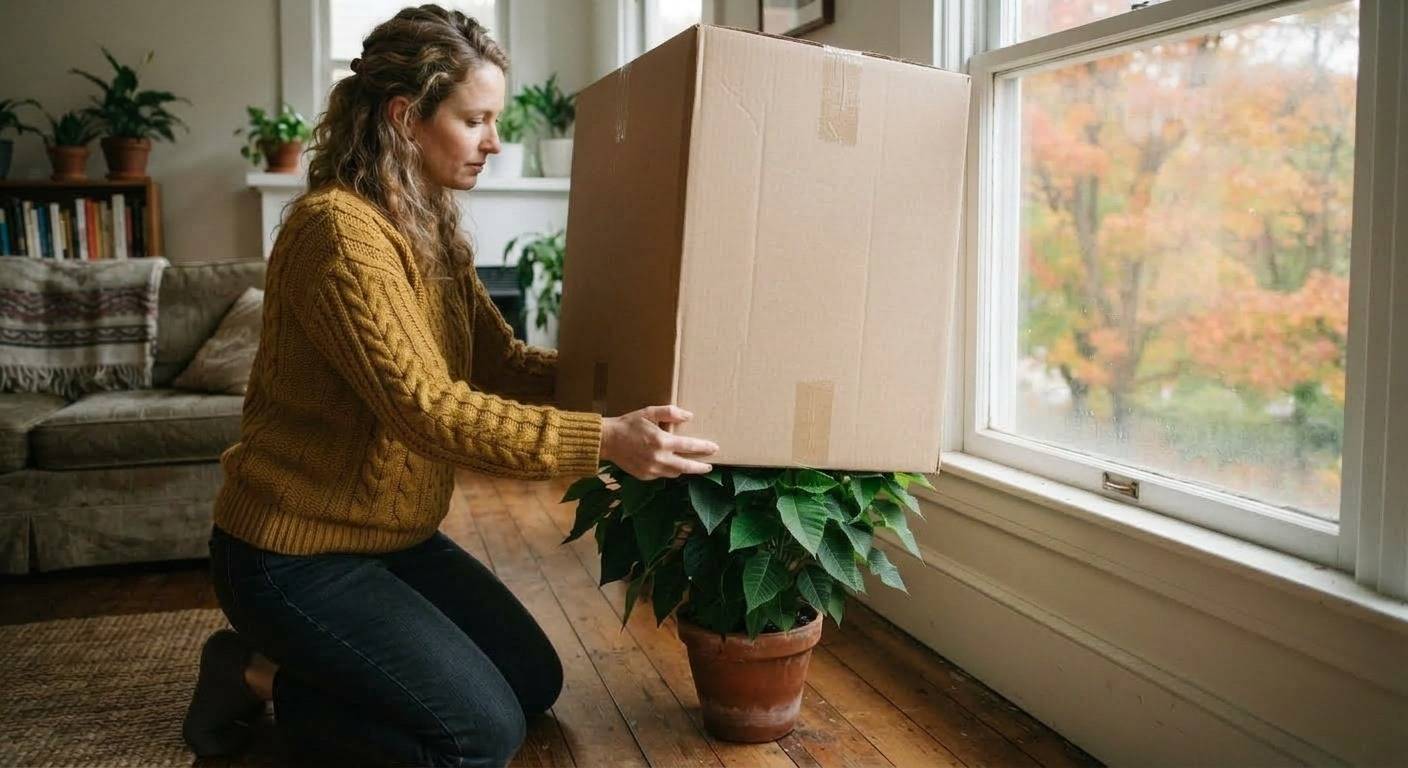
DO: Prepare Holiday Plants for Bloom
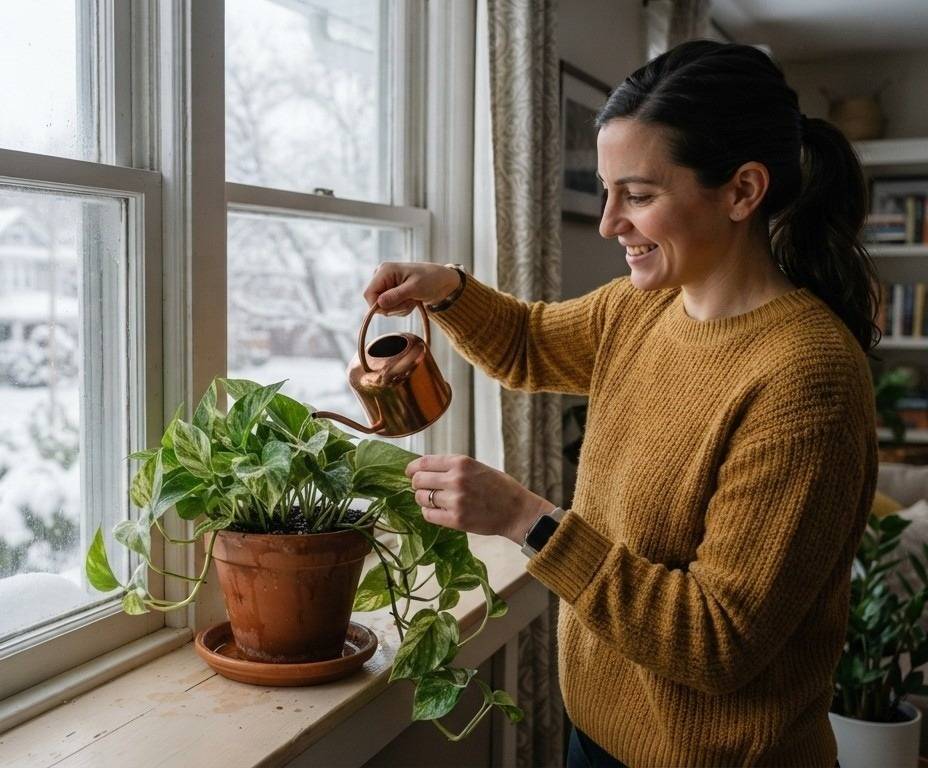
DO: Begin to Transition your Indoor plants for Winter
DON'T: Wait Until the First Hard Freeze for Everything
One of the easiest ways to make fall gardening stressful is to leave every task until the weather suddenly turns cold.
For gardeners in colder climates, make a list early in the season of anything that needs to happen before freezing weather arrives. That might include bringing tender plants indoors, planting spring bulbs, harvesting crops, cleaning containers, and storing sensitive garden decor.
And remember that some tasks belong before fall. Routine pruning of woody plants that stimulates new growth should generally have been completed by late summer so that new growth has time to harden off.
DON'T: Assume Fall Means the Garden Is Finished
Perhaps the biggest mistake is thinking of fall as the end of the gardening year.
In colder climates, fall is a transition into dormancy and winter. In warmer climates, it may be the beginning of another active growing period.
Either way, there is still plenty to appreciate. Golden foliage, berries, seed heads, ornamental grasses, interesting bark, pumpkins, containers, and changing light can make an autumn garden remarkably beautiful.
Rather than trying to force every garden into the same seasonal routine, pay attention to what your own climate and plants are telling you.
Use a Fall Garden Plan That Works With Your Climate
The best fall garden care isn't about following a universal checklist. It's about understanding what your plants, soil, and climate need as the seasons change.
In a freezing climate, timing matters: allow plants to harden off, avoid stimulating tender new growth late in the season, and wait until the ground freezes before applying winter mulch.
In a frost-free climate, the priorities can be very different. Plants may continue growing, mulch can be applied without waiting for frozen ground, and seasonal maintenance may continue throughout the winter.
Whether your garden is entering dormancy or heading into another growing season, fall is a chance to slow down, take stock, and appreciate the landscape you have created.
Clean up thoughtfully, protect what needs protecting, leave room for nature, and let your climate—not the calendar—guide your fall garden care.
A Simple Fall Garden Checklist
- For colder, freezing climates
- Complete routine woody-plant pruning by late summer rather than fall.
- Clean up diseased and finished plant material.
- Leave selected perennials and ornamental grasses for winter interest.
- Remove heavy leaf litter from lawns and beds with plants that may be smothered
- Plant spring bulbs at the appropriate time.
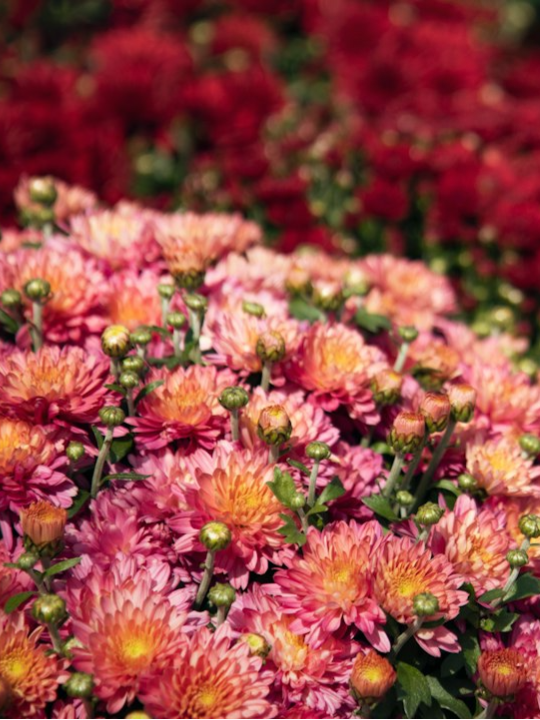
- Plant seasonal mums, ornamental kale and cool-weather annuals.
- Protect tender plants before hard freezes arrive.
- Dig and store tender bulbs (cannas, dahlias, tuberous begonias, colocasia, etc.)
- Harvest tender herbs and vegetables.
- Prepare new beds for spring planting.
- Wait until after the ground freezes to apply winter mulch.
- Transition houseplants to indoors and thoroughly check/treat for pests before bringing inside.
- Store or protect weather-sensitive garden decor.
- Clean and protect metal and wood garden tools before storing.
- For warm or frost-free climates
- Remove diseased or spent plant material while allowing healthy plants to continue growing.
- Plant cool-weather annuals for fall and winter color.
- Use mulch according to the needs of your soil and plants rather than waiting for a freeze.
- Continue seasonal planting and garden maintenance where appropriate.
- Follow the specific pruning schedule for each woody plant.
- Don't assume traditional cold-climate fall tasks are necessary.
- Use seasonal plants and decorations to reflect the character of your climate.
- For Indoors
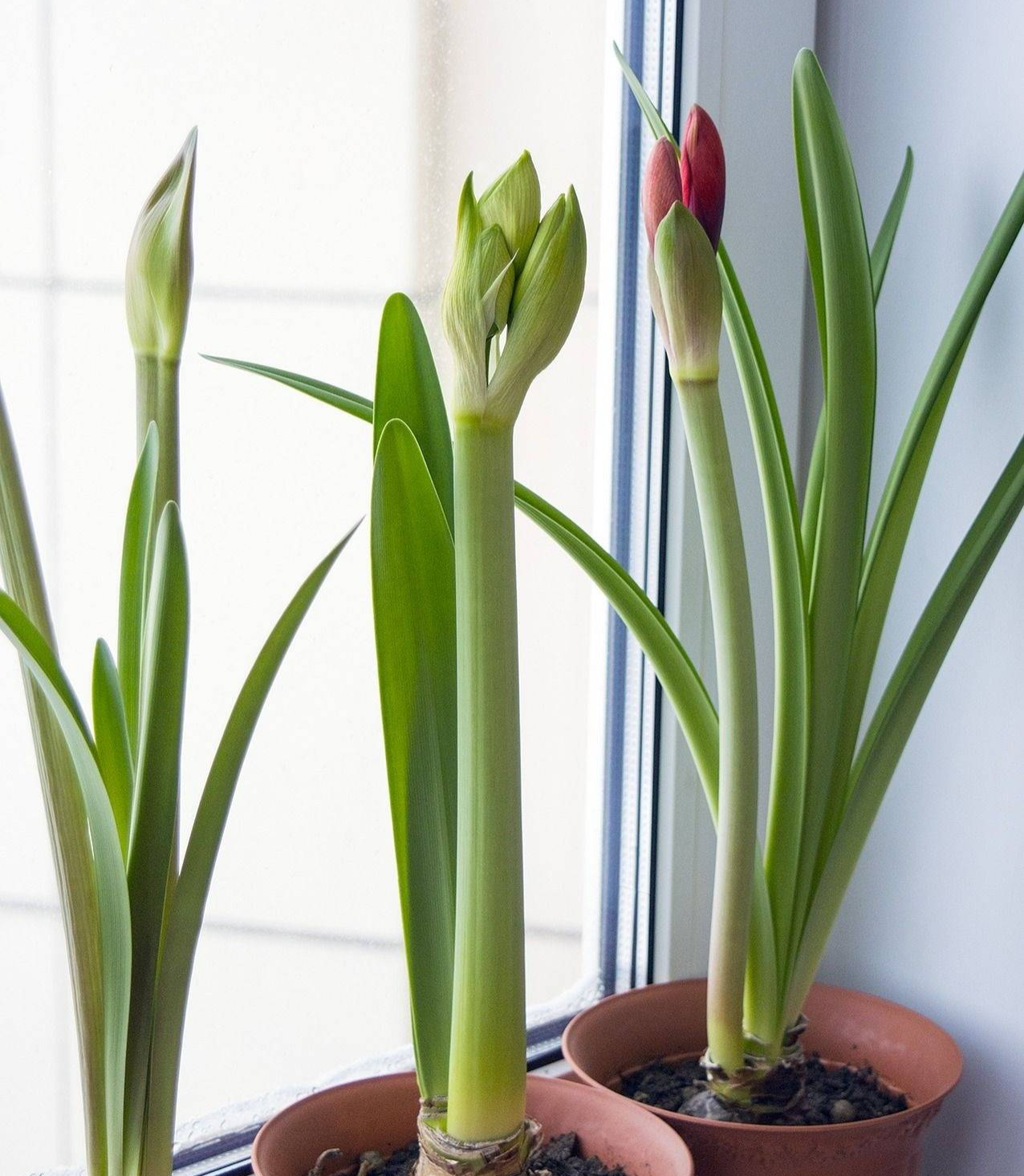
- Plant paperwhites, amaryllis, and other bulbs for forcing
- Prepare Christmas cactus and poinsettia for holiday bloom
- Stop fertilizing house plants grown in natural light and begin to reduce watering for winter rest.
A Fall Planting Checklist
Before planting in fall, check the following:
- Plant perennials, trees, and shrubs early enough to establish roots before the ground freezes in colder climates.
- Water newly planted plants thoroughly and monitor them during dry weather.
- Keep mulch around the root zone, but away from trunks, stems, and perennial crowns.
- Divide established perennials only when the particular plant is suited to fall division.
- Check seed packets before sowing to determine whether the seed is appropriate for fall planting.
- Mark fall-sown seeds so the planting area is easy to identify in spring.
- Don't wait until the ground is nearly frozen to begin major planting projects.
Remember that fall planting does not mean every plant should be planted in fall. Species and climate should guide the timing.

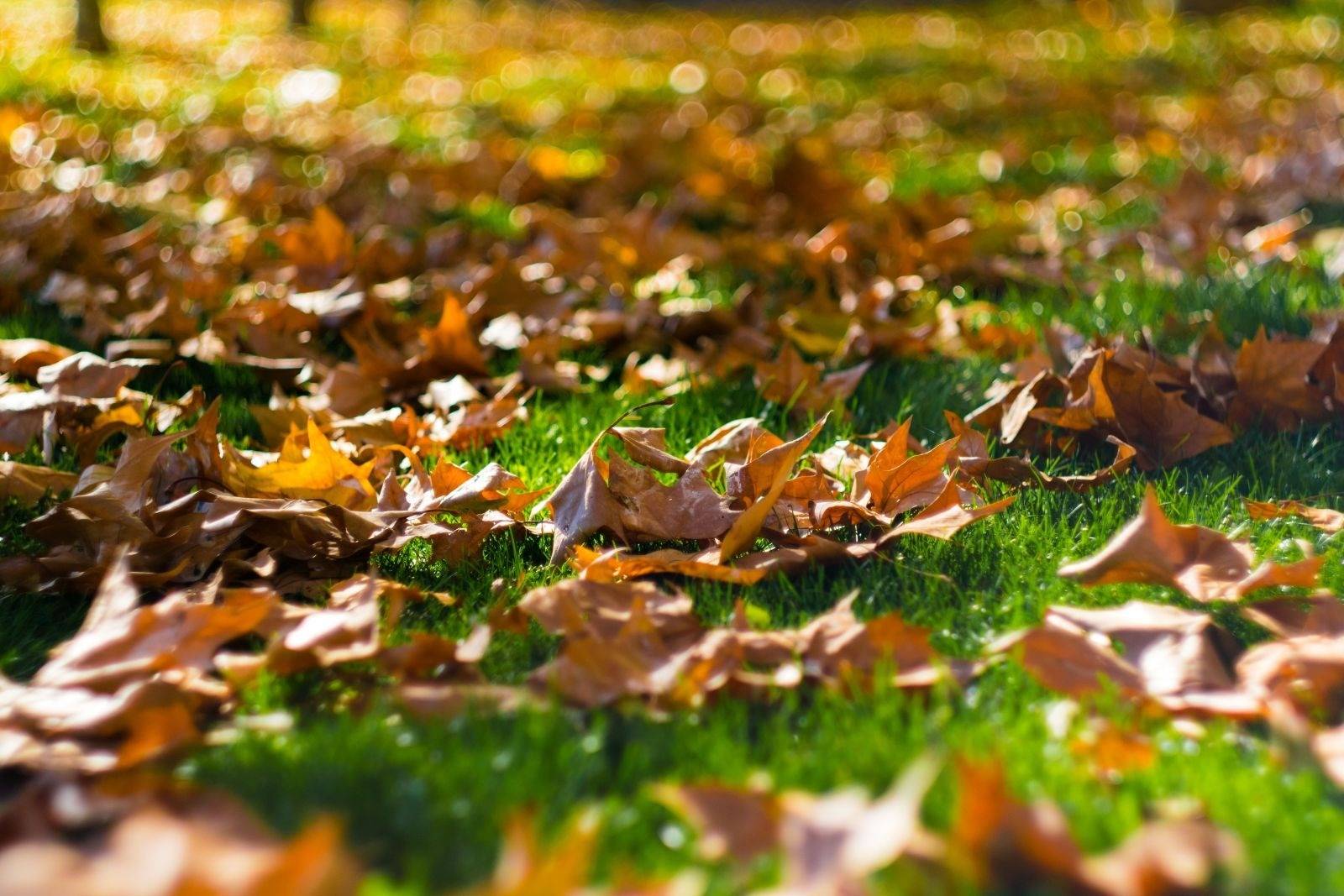
Below: A light layer of leaves may be shredded and left on the lawn, but heavier layers should be removed
Below: A thick layer of leaves or leaves that decompose slowly such as oak, beech, and sycamore that can compact and mat when wet should be removed.
Below: Leaves may be left to decompose in garden beds to add organic material to the soil, especially those with woodland type plants, but care should be taken to ensure that the plants are not smothered.
Below: Ornamental grasses are often at their finest in fall and lend much interest to the winter garden.
Below: Grasses may be preemptively tied up in fall to prevent scattering in winter winds. This also makes removal in spring easier.
Below: The dried seed heads of sedum remain attractive long into winter.
Below: Echinacea, rudbeckia, and ornamental grasses are just a few of the plants with seed heads that provide valuable food for birds.
Below: Inspecting decidous trees and shrubs before the leaves fall offers a chance to mark stems and branches to be pruned when dormant.
Below: Mulching the right way keeps trees, shrubs, and perennials healthier. No mulch volanoes--you may see landscapers that don't know any better doing this, but it's BAD.
Below: Fall is a great time to prepare a garden bed for spring planting.
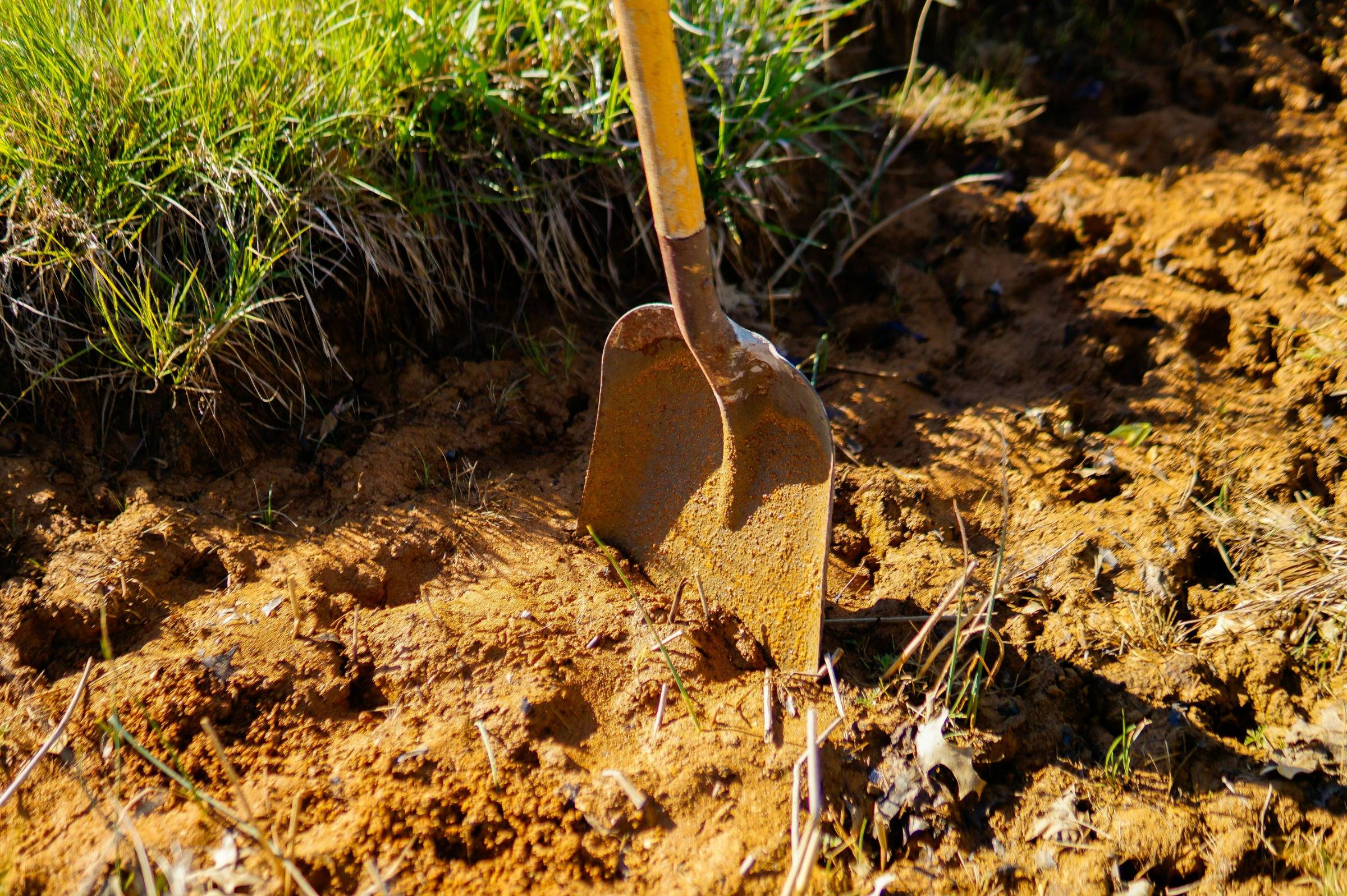
Below: If creating a new garden bed in a lawn area, you can remove sod first, or smother it with a thick layer of bark chips.
Below: Seeds for flowering perennials that require vernalization (cold treatment) can be sown in the fall.
Below: Seeds may also be sown in fall in flats that are placed outside in a protected area for the winter.
Below: Fall is the ideal time to divide hostas and many other perennials.
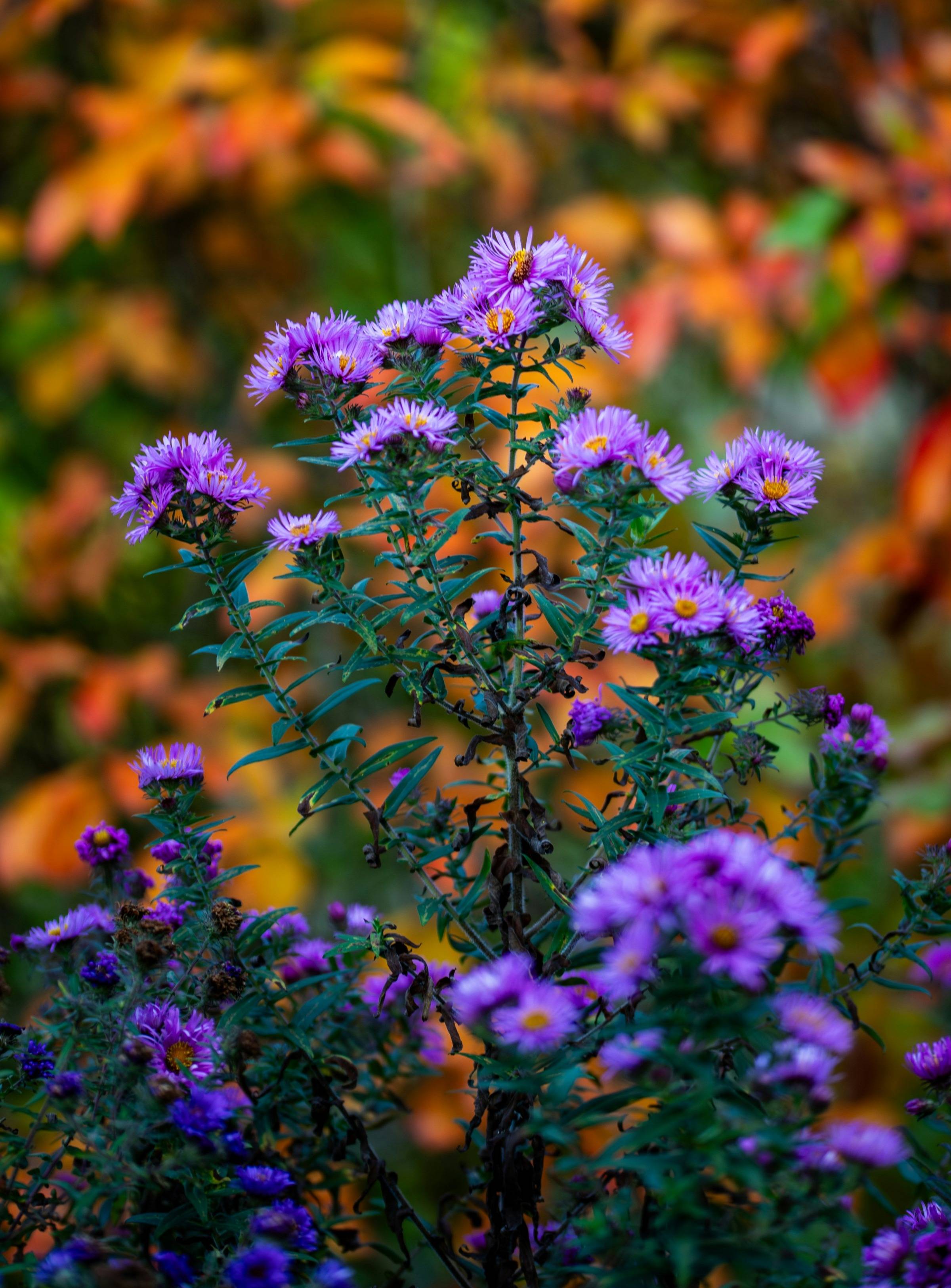
Below: Take stock of your garden in fall--if you are missing the wow factor, consider adding some vibrant fall-blooming perennials like asters. The bright blue and purple shades are very effective contrasted with red and gold fall foliage.
Below: Most trees and shrubs enjoy fall planting as the cooler temperatures encourage root growth. Don't fertilize other than a root stimulator at this time.
Below: If you want a scene like this in spring, you've got to plant in fall!!
Below: Pansies provide beautiful fall blooms in almost any shade and will thrive when temperatures cool.
Below: Ornamental kale can grow leggy in warm weather, so it's best planted once temperatures drop in fall. If you purchase this way you can plant all the way up to the lowest set of leaves, if you can dig that deep!
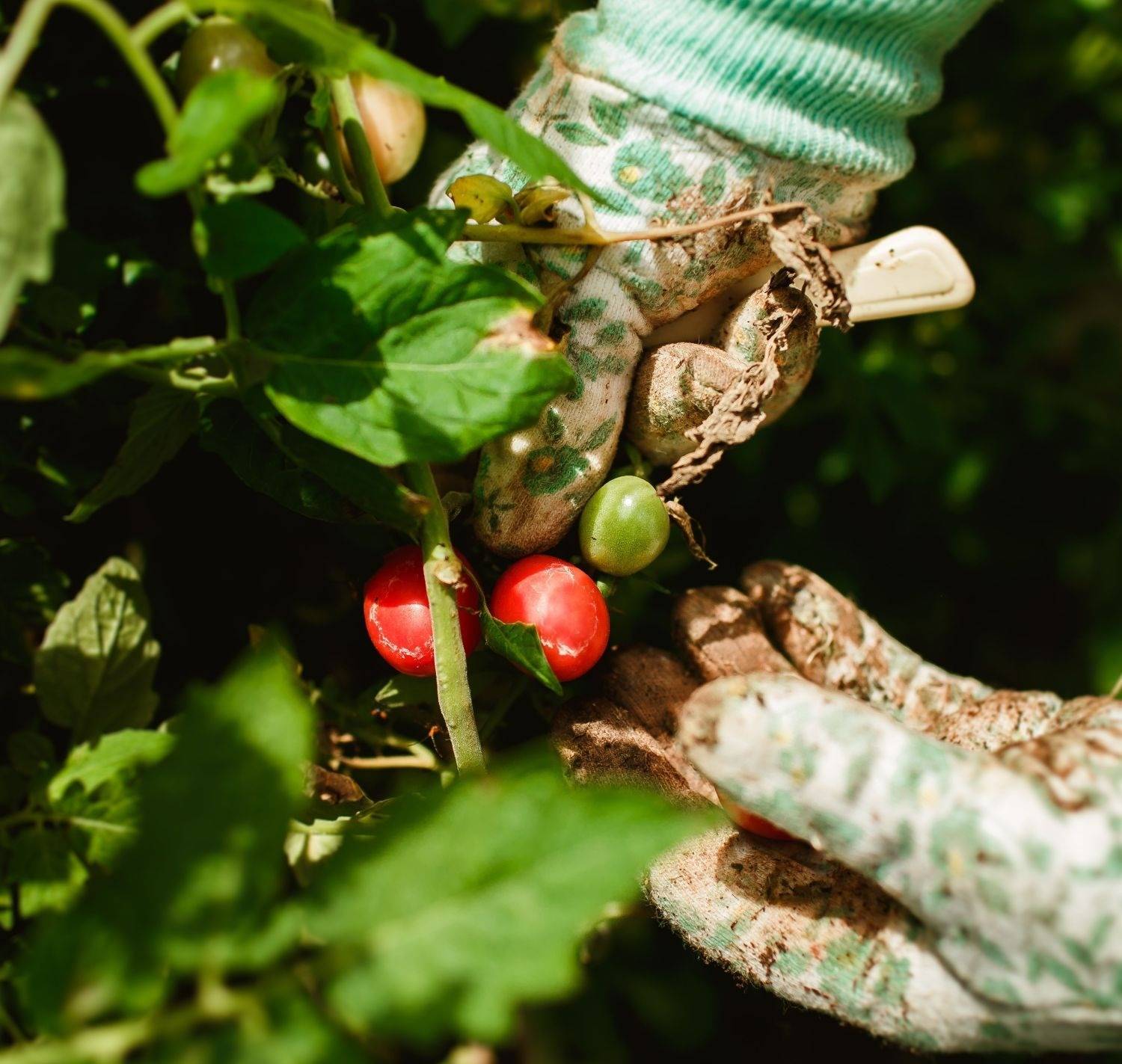
Below: Harvest all you can before the first frost. Root crops and brassicas can survive a light frost, but summer vegetables like tomatoes and peppers can not.
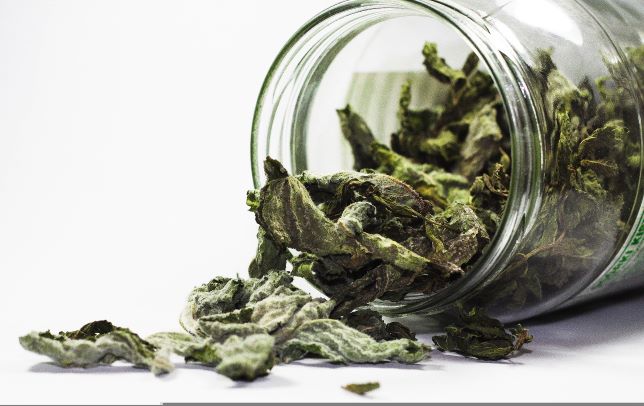
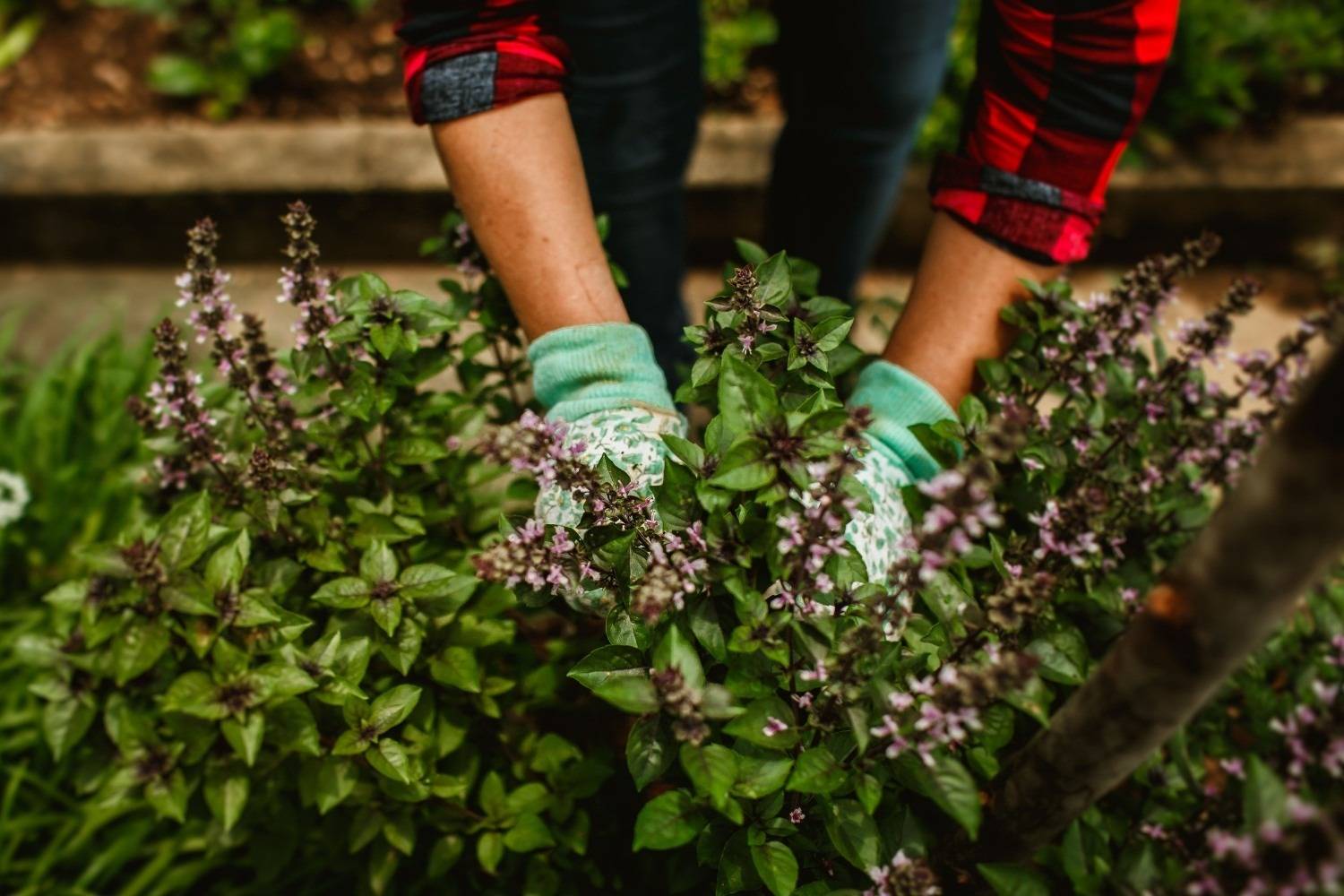
Below: Tender herbs like basil can be preserved for winter use, so harvest what you can in fall. Ideally, don't let them bloom for the best flavor.
Below: To prevent rust on metal and rot on wooden handles, clean and oil your digging tools before winter storage.
Below: Give your garden a cheerful autumn ambience with cornstalks and a few pumpkins and mums.
Below: Make sure your garden decor can withstand winter weather. Cast stone and concrete items can benefit from being placed on a bed of gravel or paving stones in freezing climates.
Below: Not a good idea. Cast stone, concrete, and ceramic birdbaths and fountains should be emptied and covered or stored in cold winter climates.
Below: Try to put potted patio plants in shade for a week or two before transitioning indoors to lessen the shock.
Below: Plastic, even with holes, should not be used for cold protection as moisture and heat can build up inside the wrap, ultimately damaging the plant.
Below: Burlap and other materials that breathe freely are excellent for winter plant protection.
Below: If you're trying to "re-bloom" your poinsettia, start a 14 to 16 hour blackout period in fall.
Below: Amaryllis, paperwhites, and other bulbs can be forced for holiday bloom when planted in fall.
Below: Start cutting back on watering and stop fertilizing your houseplants in fall to transition them to a winter rest.
Need to Delve Deeper?