Early spring can feel frustrating in shady gardens. While sunny borders erupt with daffodils and tulips, deeply shaded areas often lag behind—especially where spring bulbs struggle to bloom due to lack of light. But shade doesn’t have to mean dull. With the right mix of woodland perennials and early risers, you can create a lush, colorful display that wakes up your garden just as winter fades.
Too Shady for Spring Bulbs? Try These Early Spring Blooming Perennials!
The Quiet Stars of Shade
Some of the best early-spring performers in shade are plants that have evolved in woodland environments. They’re adapted to cool soil, filtered light, and even the dense shade cast by trees and buildings.
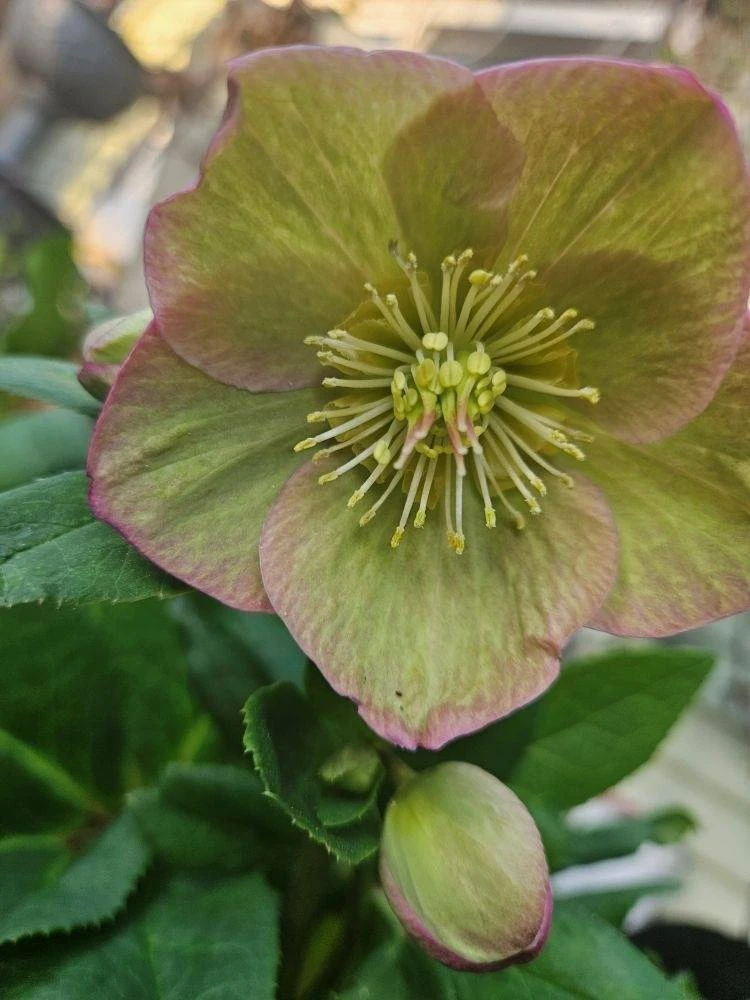
- Hellebores (Lenten rose) are among the earliest bloomers, often flowering as early as late winter. Their nodding blossoms come in a range of colors—creamy white, dusky pink, plum, and even near-black. Beyond their flowers, hellebores offer attractive evergreen foliage that provides structure year-round.
- Epimedium (barrenwort) is another excellent choice for dry shade. Its delicate, airy flowers appear in early spring, hovering above heart-shaped foliage that often emerges with bronze or red tones. It’s a subtle but beautiful addition that pairs well with bolder plants.
Bright Pops of Color
For gardeners craving cheerful color, several shade-tolerant perennials deliver surprisingly vibrant blooms.
- Celandine poppy (Stylophorum diphyllum) produces bright yellow flowers that seem to glow in shady corners. Native to North America, it’s especially valuable for naturalistic plantings and woodland gardens.
- Pulmonaria (lungwort) offers clusters of pink, blue, or purple flowers, often on the same plant as the blooms age. Its speckled foliage adds interest even after flowering, making it a long-lasting contributor to the garden.
Brunnera (false forget-me-not) is beloved for its sprays of tiny, sky-blue flowers that resemble forget-me-nots. Many varieties also feature striking silver-patterned leaves that brighten dark areas well into summer.
Woodland Elegance
If you’re aiming for a more natural, woodland aesthetic, several classic shade plants provide understated beauty.
- Trillium is a spring ephemeral that produces elegant three-petaled flowers in white, red, or yellow. It thrives in rich, undisturbed soil and pairs beautifully with ferns and other native plants.
- Dicentra (bleeding heart) is a romantic favorite, with arching stems of heart-shaped pink, red, or white flowers. It thrives in cool, moist shade and adds a soft, graceful texture. Cultivars offer bright gold foliage for extra pizzazz.
- Corydalis offers finely textured foliage and tubular flowers in shades of blue, purple, yellow, or pink. Some varieties bloom over a long period, especially in consistently cool conditions.
Filling in the Gaps
To extend the season and create a layered look, consider adding a few additional shade lovers:
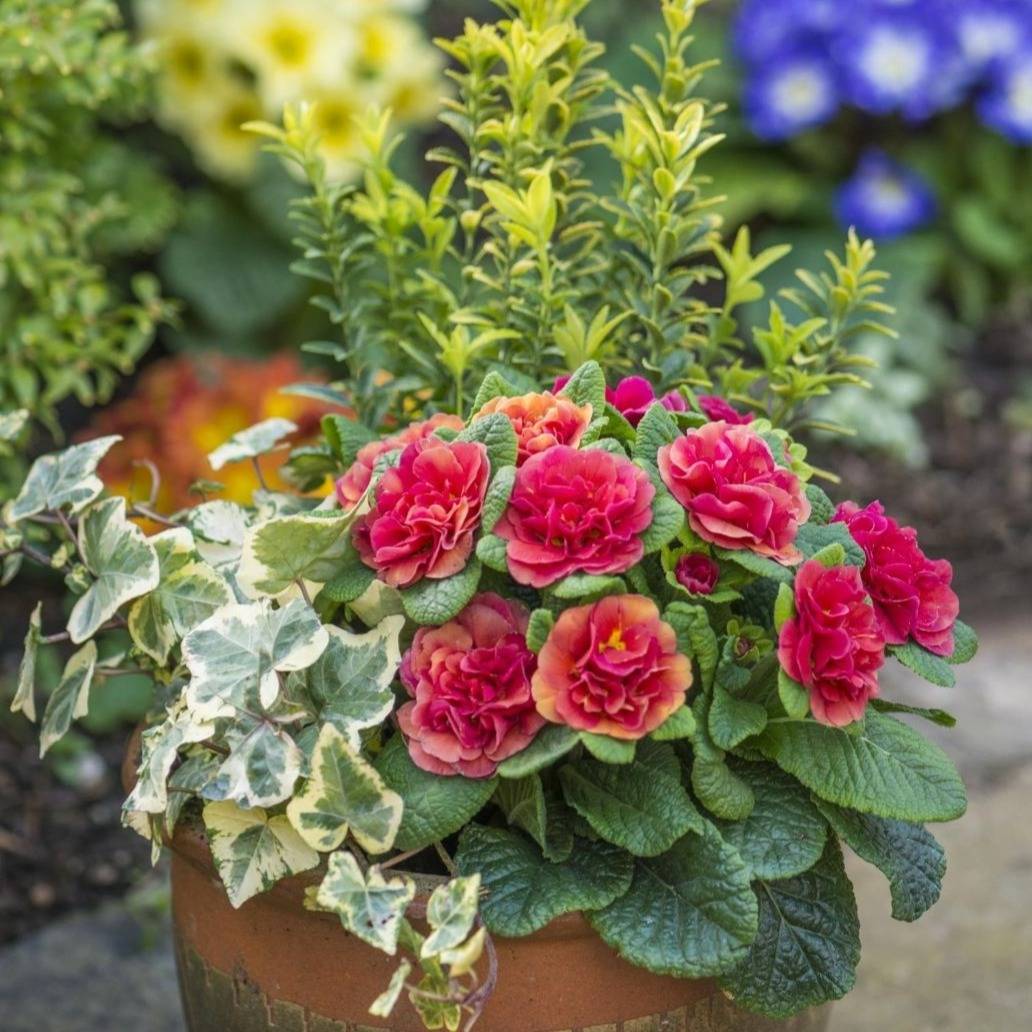
- Primroses (Primula) bring cheerful, jewel-toned flowers and thrive in moist shade.
- Virginia bluebells (Mertensia virginica) provide a stunning burst of pink-tinged blue blooms in early spring before going dormant.
- Foamflower (Tiarella) produces frothy spikes of white or pink flowers usually beginning in late April over strikingly patterned foliage. Varieties may be clumping or running, so choose carefully!
- Wild ginger (Asarum) offers subtle flowers but excellent foliage for filling space. The native A. canadense is deciduous; other species are evergreen to semi-evergreen.
Filling in the Gaps
Since many woodland plants bloom early and then fade, layering them with later-emerging perennials like hostas, ferns, or toad lilies (Tricyrtis) ensures your garden remains attractive through the seasons.
Final Thoughts


Below: Celandine poppy - the second spring in the author's garden, just beginning to bloom in March. One of the easiest to grow plants in the shaded portion of my yard, in relatively poor and sandy soil. Small Virginia bluebells just behind it beside the clematis foliage.

Below: Dicentra 'Gold Heart' in the author's garden in March. This was supposed to be 'Ruby Gold,' with vibrant red flowers, but one supposes the plugs were mis-labeled by the grower. That's one reason to buy plants in bloom when you can. Oh, well, still pretty.

 Pulmonaria 'Darth Vader'
 Brunnera ' Jack Frost'
 Trillium grandiflorum
 Corydalis flexuosa 'Porcelain Blue'
 Mertenisa virginica, Virginia bluebells
You may also like