In today’s most beautiful landscapes, garden planters are no longer just containers for plants—they are essential design features. High-end gardens are increasingly using finely crafted architectural planters to create structure, visual impact, and a sense of curated outdoor living.
Statement Garden Planters: Essential Design Elements in your Landscape
Much like statement furniture in a living room, the right planter can anchor a space and transform the atmosphere of a garden, patio, or terrace. From classically styled containers to minimalist geometric vessels, modern landscapes are embracing planters as sculptural design elements.
If you're looking for outdoor décor ideas, statement planters are one of the most powerful and versatile ways to elevate a garden.
Large Architectural Planters: Creating Instant Impact
One of the biggest trends in modern garden planters is scale. Designers are increasingly turning to large architectural planters to create focal points in outdoor spaces.
Smaller pots often disappear visually in expansive patios or landscaped gardens. In contrast, large outdoor planters introduce a sense of permanence and sophistication while giving plants the presence they deserve.
These designer garden planters are often used to:
- Frame a home’s front entrance
- Anchor seating areas on patios
- Define garden pathways
- Create symmetry in landscape design
Tall cylindrical vessels, wide bowl-shaped containers, and long rectangular troughs are especially popular in contemporary garden design.
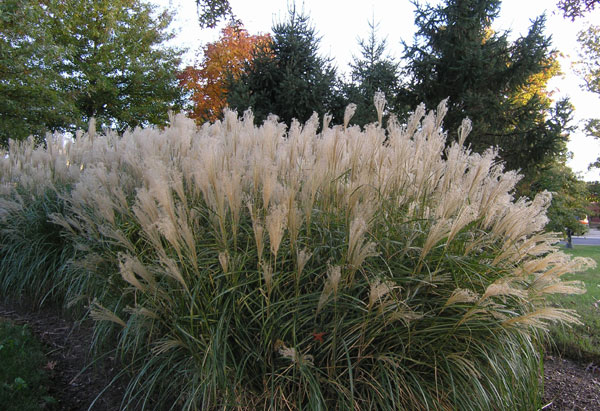
When paired with sculptural plants such as olive trees, boxwoods, or ornamental grasses, these planters become focal points that shape the entire garden aesthetic.
Matte Stone Finishes: The Look of Understated Luxury
Glossy ceramic pots once dominated garden décor, but today’s upscale outdoor spaces are embracing something more refined: matte stone finishes.
Planters made from cast stone, concrete, or composite materials such as fiberstone offer a soft, natural texture that blends effortlessly with landscape materials like gravel, limestone, or wood decking. The muted surface absorbs light rather than reflecting it, creating a calm and elegant aesthetic.
Popular tones include:
- Warm limestone
- Soft charcoal
- Weathered grey
- Natural sand and taupe
These finishes work beautifully in both traditional and contemporary landscapes. In classic gardens, they evoke European estates and historic courtyards. In modern spaces, their simplicity complements minimalist architecture.
- Mixed Materials: Where Craft Meets Design
Another major trend in garden décor is the use of mixed materials, especially combinations of stone, metal, and wood. This blending of organic materials echoes the subtle beauty of nature while heightening textural dimension.
This contrast adds depth and visual interest. The softness of stone and wood balance the precision of metal, while the metal elements introduce a contemporary edge.
Mixed-material planters are particularly effective in modern landscapes where texture and contrast play a major role in the design. Wooden or stone finish planters raised with a metal stand create an intriguing blend, adding vertical drama as well.
The plantings themselves can add further interest, contrasting forms and textures. For instance, a sleek steel planter filled with delicate ornamental grasses creates a compelling visual tension between industrial materials and natural forms.
Lightweight Planters: Luxury Design for Elevated Spaces
While large architectural planters create stunning visual impact, weight can become a practical concern—especially in elevated outdoor areas like balconies, decks, and rooftop gardens. This is where lightweight planters made from fiberglass or polyethylene offer an ideal solution without compromising on style.
Modern upscale garden planters are increasingly crafted from high-performance materials that replicate the look of stone or concrete while remaining significantly lighter. These provide the same sculptural presence as traditional materials but are far easier to transport, position, and maintain, delivering high-end aesthetics without the structural burden.
Why Choose Lightweight Planters?
For homeowners and designers working with structural limitations, lightweight statement garden planters offer several key advantages:
Ideal for weight-restricted spaces such as rooftop gardens and balconies
Easy to move and rearrange, allowing for flexible design updates
Durable and weather-resistant, withstanding extreme temperatures and moisture
Low maintenance, resisting cracking, chipping, and fading
Versatile in design, available in matte, textured, and modern finishes
Fiberglass planters, in particular, are known for their sleek appearance and ability to mimic organic materials, making them a popular choice in contemporary planter design as they maintain their finish and color over time. Thanks to UV-stable coatings and advanced manufacturing, they retain the look of matte stone, concrete, or metal without the wear typically associated with those materials.
Polyethylene options, on the other hand, are highly resilient and often used in modern geometric outdoor planters due to their clean lines and consistent color. Double-walled polyethylene planters offer increased protection to vulnerable roots in both cold winter and hot summer locations.
Perfect for Modern Outdoor Living Spaces
Lightweight designer garden planters are especially well-suited for:
Urban balconies where space and load limits are restricted
Rooftop terraces requiring large-scale planters without excess weight
Decks and elevated patios where heavy stone may not be practical
Indoor-outdoor transitional spaces that benefit from flexible décor
These materials allow you to incorporate large outdoor planters and bold design elements even in spaces where traditional stone would be impractical.
- Minimalist Geometric Planters
Minimalism continues to influence contemporary planter design, especially in upscale landscapes. Clean lines and simple geometry allow both the planter and the plant to stand out.
Common shapes used in modern geometric outdoor planters include:
These forms work particularly well in modern gardens, where the design language of the home often features straight lines and architectural symmetry.
Geometric planters also allow designers to create repetition. For example, placing identical containers along a walkway can establish rhythm and elegance throughout the landscape.
When paired with sculptural plants such as agave, ornamental grasses, or Japanese maples, these planters become striking architectural focal points. The result is a space that feels curated, calm, and visually balanced.
Using Statement Planters in Garden Design
In both formal and informal landscapes, planters are used intentionally as structural elements. Rather than scattering pots randomly, designers strategically place patio and garden planters to shape outdoor spaces.
Some of the most effective placements include:
- Framing a Front Entrance
- Defining Outdoor Living Areas
- Creating Pathway Rhythm
- Dividing Garden Spaces
Tall planters filled with grasses or small trees can subtly divide outdoor rooms and provide privacy without building permanent walls.
By integrating statement garden planters into the overall layout, they are transformed from accessories into essential landscape features that bring a sense of unity and thoughtfulness to the design.
No one understood this better than Frank Lloyd Wright, whose plans often included planters specifically created for individual residences, contributing to the spatial organization and aesthetic harmony of the surroundings while weaving nature and architecture into one seamless entity.
- Choosing Plants for Statement Planters
Popular choices for architectural planters include:
Sculptural trees
- Olive trees
- Japanese maples
- Dwarf citrus
- Hornbeam
- Crape myrtle
Architectural plants
- Agave
- Yucca
- Phormium
- Papyrus (Cyperus spp.)
- Upright ornamental grasses: feather reed grass, switchgrass, miscanthus strictus, horsetail reed
Classic structured greenery
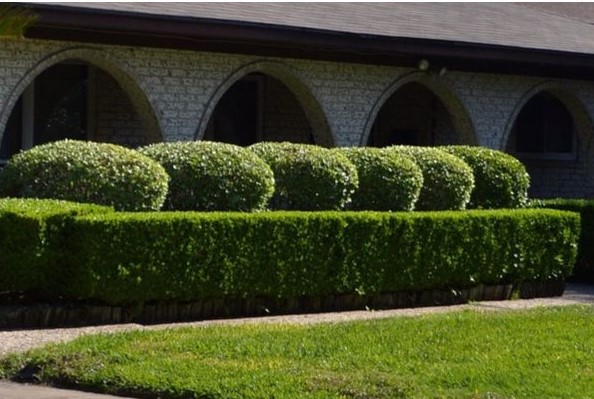
- Boxwood or Japanese holly
- Juniper or arborvitae topiary
- Bay laurel or eugenia standards
- Bouganvillea standard or topiary
Soft contrast plants
- Large, flowing ornamental grasses: maiden, muhly, or fountain grass
- Smaller grasses: carex, blue fescue, little bluestem, mondo, juncus, Japanese forest grass
- Lavender
- Germander
- Rosemary
- Santolina
- Ferns
- Dwarf and groundcover conifers
Plants with architectural blooms
- Allium
- Agapanthus
- Kniphofia
- Liatris
- Hydrangea
- Foxglove
- Calla lily
These plantings enhance the elegance of outdoor planters while maintaining a balanced and refined look. The key is to maintain that balance. When the planter itself is bold and sculptural, the planting should enhance—not overwhelm—the design.

Below: Sizeable cast stone planters (our Orchard Bowls) planted with Japanese maples enliven this home's exterior while keeping garden maintenance to a minimum.

Below: Stylish design combines a warm wooden door with cast stone entryway planters on sleek aluminum pedestals.

Below: A symphony of textures is employed in this simple design using stone, metal, and wood materials. The "floating" fiberstone pot in metal stand adds visual drama.

Below: Lightweight geometric fiberglass planters enhance an urban balcony.

Below: Lightweight double-walled polyethylene planters, perfect for balconies and roof gardens, protect plant roots from extremes of heat and cold, important for over-wintering shrubs and perennials in containers. Here, Madison planters house Japanese holly, echinacea, salvia, and fountain grass in a monoculture composition.

Columnar fiberglass planters punctuate a pathway, creating a rhythmic flow that leads the eye though the garden. With annual color restricted to the planters, maintenance is greatly reduced.

Below: Large statement planters outside an entry allow opportunity for seasonal plantings around a permanent evergreen shrub. Here, Heller House vases designed by Frank Lloyd Wright and planted with Japanese holly and ornamental cabbage brighten a winter landscape .

Substantial trough planters around the perimeter of an outdoor entertaining area provide privacy and a softening effect with their planting of large ornamental grasses, while keeping maintenance minimal. Here, our cast stone Cambridge Troughs.

Below: Frank Lloyd Wright's 'Westcott House,' showing placement of specifically designed planters for the residence.

Below: A cozy, private seating area, delineated with fiberglass trough planters containing topiary standards and a mix of small evergreen shrubs and grasses.

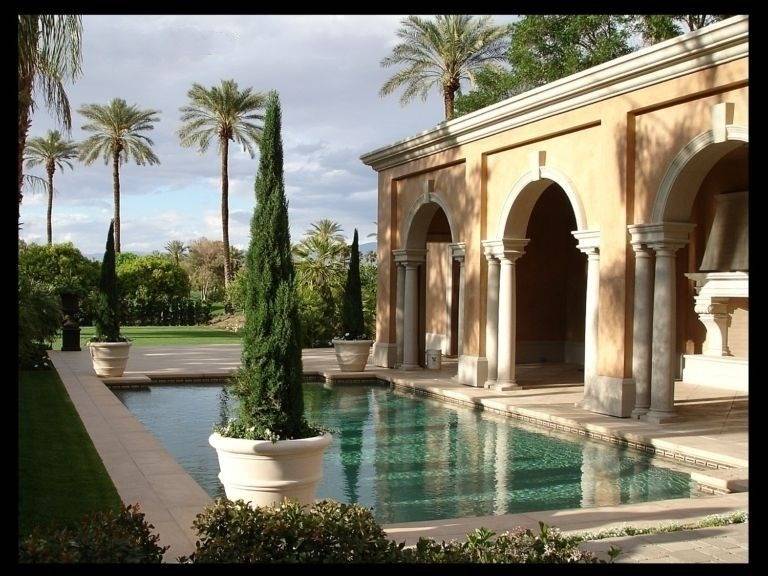
Below: Where immediate height is needed, large planters can be installed, as opposed to a wall of evergreens that needs time to grow. This also lends an airier look more suited to this pool patio, while maintaining a good degree of privacy.

Below: Long fiberglass trough planters elegantly frame this small city yard. Here, Downing trough planters with small evergreens and annuals.

Final Thoughts
Today’s most sophisticated landscapes are increasingly designed with the same care as interior spaces. Homeowners are investing in outdoor areas that feel intentional, layered, and deeply personal.
As such, the modern garden is no longer just about plants—it is about design, atmosphere, and experience. Statement planters embody this shift perfectly. By combining sculptural scale, refined materials, and thoughtful placement, these pieces transform ordinary plantings into living works of art. In the best of gardens, the right planter does more than hold a plant. It anchors the landscape, defines the space, and elevates the entire outdoor environment.
- Entryway with tapered cylinder fiberglass planters in faux lead finish and formal boxwoods.
- A mix of succullents in tall, tapered fiberglass cube planters accent this front decorative doorway.
- Tall, narrow, tapered fiberglass planters in glossy black finish echo the door texture. Simple rounded boxwoods complete the minimalist look.


 Carefully pruned trees in large fiberglass cube planters lend an old-world appeal to the front entry of this large brick home.
 Here, fiberglass planters mimic terracotta, perfectly blending the tones in the brick steps, The simple planting highlights the intricate embossed design of the planter.
 Urn planters were particulary popular in Victorian gardens. Here, a pair of fsubstantial iberglass fluted urns herald the entrance to a path.
- Porches may benefit from lighterweight planters--here, fiberglass troughs filled with ferns and greenery soften a stark black and white color scheme on an old-fashioned wraparound porch.
 Fiberglass troughs mimic aged lead planters in this rooftop garden. A simple planting of reblooming daylililes and a small sculptural tree enliven the space.
 A series of tall, tapered , geometric fiberglass planters with colorful annuals and lush foliage provide a soothing buffer between the balcony and the city beyond.

- Rhythmic display of geometric planters ascending a set of outdoor stairs.
- Sculptural composition of tall geometric planters uniquely accented with sprays of aluminum rods. Sheared evergreens and low container plantings were carefully chosen so as not to overwhelm the design.
 Repeated placement of cube planters creates a subtle flow on this stone patio.


You may also like